Biography
Daniel G. C. Wu
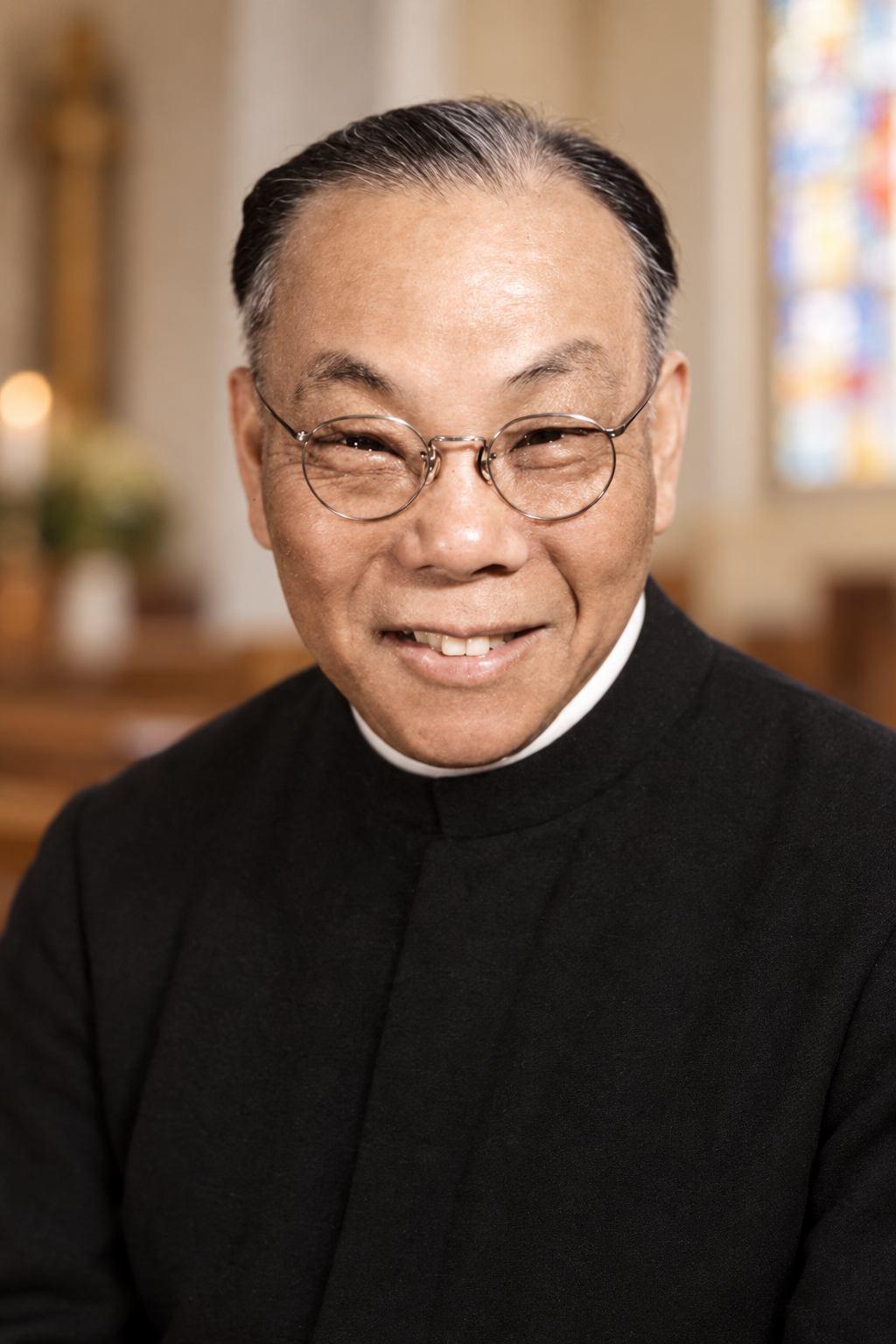
About Daniel G. C. Wu
Daniel Gee Ching Wu served Chinese congregations on both sides of San Francisco Bay. His ministry brought worship, language instruction, and schooling into buildings that struggled to contain the activities of their communities. A report from 1931 describes him caring for the True Sunshine missions in San Francisco and Oakland, each offering education as well as church services.
His 1941 clerical directory entry records a Chinese birthplace and a birth date of October 19, 1877.
The church’s later biographical index gives 1883. That discrepancy remains unresolved; a precise birth year cannot be established from these conflicting accounts.
A surviving consular document gives a closer view of his move to California. Issued in Honolulu in June 1907 under the name Ng Ping, it describes a resident of St. Elizabeth’s House intending to go to San Mateo. He was to teach at the Chinese mission while studying for ministry at the Church Divinity School. Bishop William Ford Nichols would provide support during his studies. The document also records an intention to return to Honolulu after his education, showing the plan presented at that point in his life. The paper bears a consular seal and a photograph, with a further endorsement from the immigration inspector in Honolulu. It records an intended journey, rather than certifying the date of arrival in California.
A contemporary church report recalls his earlier involvement at St. Elizabeth’s. He belonged to its first group of people prepared for baptism and confirmation, and his experience there helped direct him toward ordained ministry. By 1913 he was already responsible for the Chinese missions in San Francisco and Oakland. On St. Barnabas’s Day that year he was ordained priest at Grace Pro-Cathedral in San Francisco, at a service that also included the ordination of Paul Hidehisha Murakami as deacon.
The report describes the congregations’ participation in the occasion. Members presented Wu with a white chasuble, and two young men learned to serve at the altar. He subsequently celebrated the Eucharist in Chinese for the San Francisco congregation and then for the Oakland congregation. In July he married Wong King Yoak at Grace Pro-Cathedral. The bishop officiated, and her pastor interpreted the marriage service into Chinese for those gathered. The wedding brought together about four hundred Chinese and American friends. The account places Wu within a network of congregants, fellow clergy, and family, whose participation shaped these occasions in his life and ministry.
His work also took him beyond church buildings. A State Harbor Commissioners pass issued in May 1922 permitted him to enter all piers in San Francisco until the end of that year. A separate customs permit identified him as a representative of the Episcopal Chinese Mission and allowed access to customs enclosures and foreign-trade vessels, with exceptions for vessels controlled by the Army or Navy. These documents preserve the practical permissions needed for his work around the port.
Access was not unlimited. A Toyo Kisen Kaisha pass issued in May 1923 covered piers 34–36 and the company’s steamers, but excluded a vessel’s arrival day. Its stated expiry was the end of December. Such qualifications matter when describing Wu’s port ministry: the surviving passes document authorized access under particular conditions, rather than an unrestricted right to meet every arriving passenger.
The 1931 mission report shows the range of activity within the congregations. In San Francisco, a day school offered language and religious instruction, while young men attended night school. A young people’s association worked alongside cooperation with the YMCA. The report counted 110 children in the church school and described a single large room serving many purposes, with Wu’s family living upstairs. Oakland likewise combined church activities, a day school, and an English night school in one large room. Space and equipment remained pressing needs. The report counted forty-eight communicants in San Francisco and twenty-one in Oakland at that time.
Wu retired in 1944, and Clarence Lee succeeded him. The congregation’s history describes growing participation by young people during Lee’s ministry and a greater use of English. This was a new phase in the life of the community Wu had served, with changing needs in language, leadership, and accommodation. As participation increased, the congregation launched a fundraising campaign and drew up plans for a larger building. Those plans were interrupted when the city took over the property for expansion of a neighboring school.
Wu died on April 6, 1956.
His family remained connected to True Sunshine. In 2016, a gift from Richard and Mary Ko helped provide solar panels in memory of their mother, Elizabeth Wu Ko, his daughter and a longtime member of the church. That later gift links his family’s history with the congregation’s continuing life.
In a 2021 diocesan customary, the bishop of Hawai‘i explicitly encouraged congregations to commemorate Wu on April 6 or a Sunday afterward, recognizing the connection between his formation in Honolulu and his ministry among Chinese Americans.
Wondering how to weigh the stories and sources? Learn how to read a saint biography.