Biography
Eulogius of Córdoba
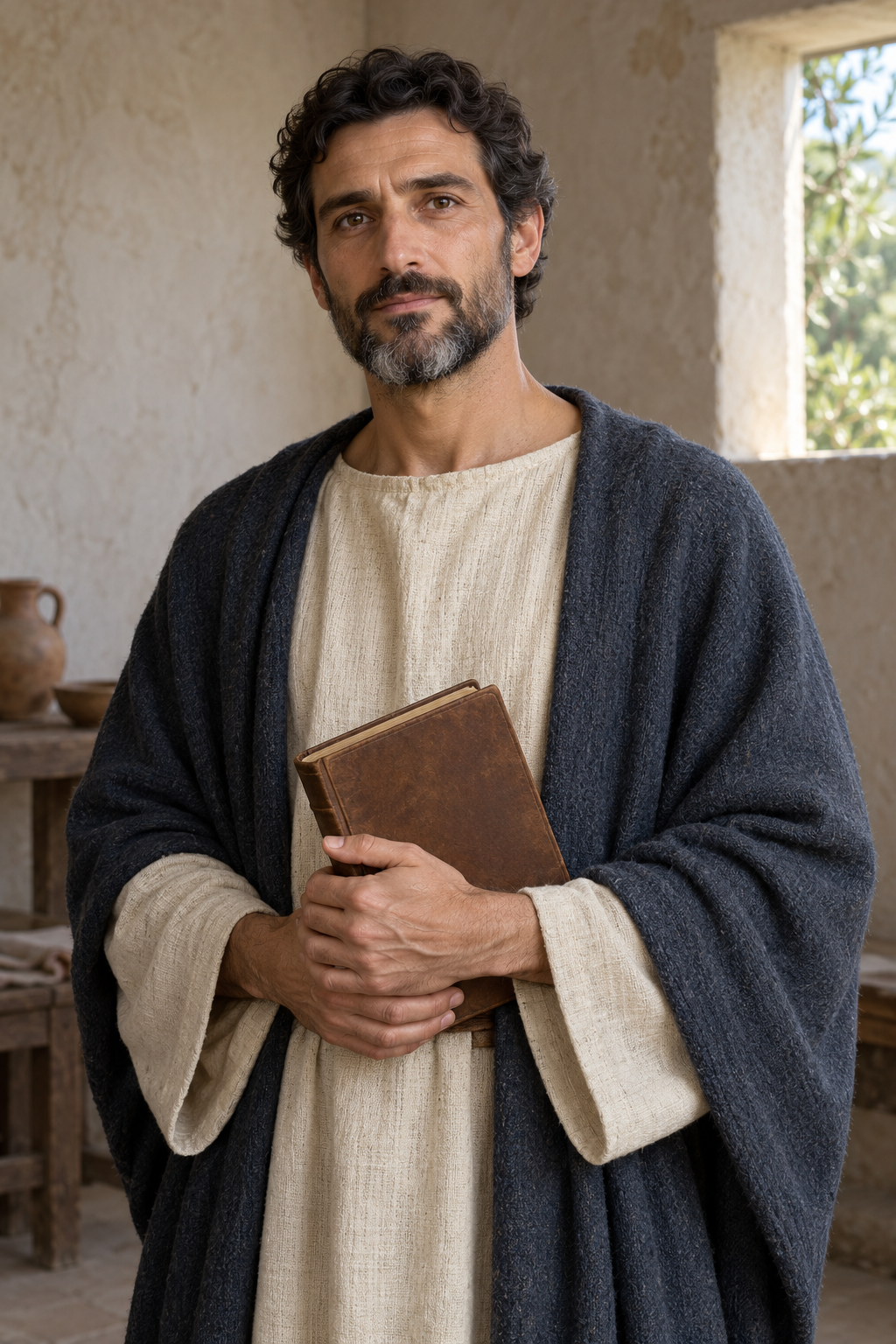
About Eulogius of Córdoba
Eulogius was a priest and writer in ninth-century Córdoba. He studied at Saint Zoilus and became a friend of Paul Alvarus through their shared interest in learning. His exact birth year is uncertain. His life ended by execution on March 11, 859, shortly after his election to the see of Toledo.
Alvarus remembers their youthful exchange of letters and verses, writings they later agreed to destroy. He also describes Eulogius moving between clerical duties and visits to monasteries. The portrait comes from an affectionate friend who wrote to honor him as a martyr.
Eulogius’s surviving works defend Christians executed under Muslim rule. They include accounts of individual deaths, an exhortation addressed to the imprisoned Flora and Maria, an extended defense of martyrdom, and letters. Kati Ihnat emphasizes that these writings and Alvarus’s works present a Christian perspective on the events; they do not provide a neutral record shared by all the communities involved.
The circumstances of the executions differed. As Kevin Poole explains in his review of Kenneth Baxter Wolf’s study, some people died after converting from Islam to Christianity, while many others were condemned for publicly denouncing the prophet Muhammad. Eulogius defended these Christians as heirs to the martyrs of the early Church. Other Christians disputed that interpretation and opposed deliberately provoking punishment.
Poole also highlights Wolf’s caution against treating Eulogius simply as the organizer of a martyr movement. He encouraged people who sought martyrdom, but he also helped Christians hide or escape.
His own arrest followed his assistance to Leocritia, a young Christian from a Muslim family. According to Alvarus, Eulogius and his sister arranged hiding places for her. When the refuge was discovered, Eulogius was arrested with her and questioned about giving her shelter. The Life presents him defending his duty to teach anyone seeking the Christian faith. It then describes his denunciation of Islam, rejection of an offer to save himself through a verbal concession, and condemnation to death. These scenes are preserved through Alvarus’s devotional account, including the speeches it attributes to him.
The transmission of Eulogius’s writings has its own uncertainties. Ihnat describes how Ambrosio de Morales published them in 1574 from a difficult medieval manuscript, making corrections as he understood them. That manuscript subsequently disappeared. Later editions therefore depend on his work, a circumstance that matters when the texts are used to reconstruct ninth-century Córdoba.
The Córdoba parish of San Francisco y San Eulogio names him explicitly as its co-titular saint. Its Christmas 2022 bulletin recalls his ministry in the city and his death.
Oviedo Cathedral commemorates Eulogius and Leocritia together on January 9 and reports that relics venerated as theirs are kept in the Cathedral of San Salvador. This local observance is distinct from the March date of his death.
Wondering how to weigh the stories and sources? Learn how to read a saint biography.