Biography
Faustino Villanueva Villanueva
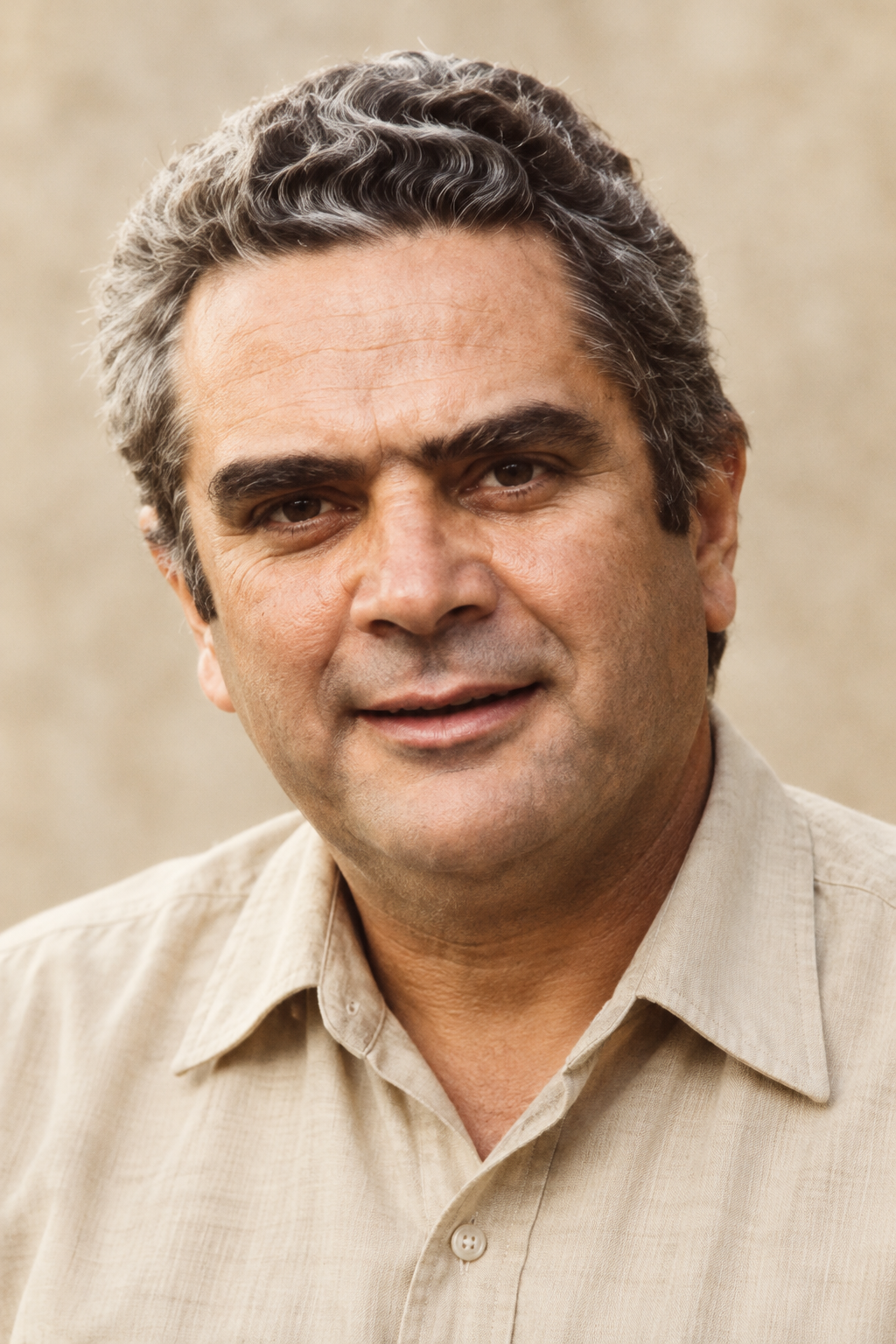
About Faustino Villanueva Villanueva
Faustino Villanueva Villanueva was a Missionary of the Sacred Heart whose ministry took him from Yesa to Guatemala. As a child he entered the congregation’s apostolic school in Valladolid. He made his religious profession in 1949 and was ordained in 1956. In 1959 he volunteered for the Quiché mission.
The REMHI historical report traces his Guatemalan ministry through Sacapulas, Joyabaj, Santa Cruz and Cotzal. It describes a priest who sought conciliatory solutions to the hardships facing rural people, visited the sick and transported patients in his car. In Santa Cruz he helped develop cooperatives and Radio Quiché before returning to Joyabaj in January 1973. He remained there until his move to Nicaragua in 1978.
Francisco Blanco, later the congregation’s Spanish provincial, knew Villanueva first as his teacher and then through his work in Guatemala. In a 2020 interview, Blanco remembered his peaceful manner and linked his willingness to talk with people to the work of helping villagers organize themselves. Blanco explained that the congregation understood evangelization and the development of the whole person as inseparable. Education, care for the sick and resistance to exploitation belonged together in that understanding of mission. He also interpreted the killing as an attempt to remove a credible witness to military abuses. This was the assessment of a fellow missionary who had known him, rather than a judicial finding about his attackers.
His work also took him to Nandaime in Nicaragua in 1978–79. His sisters, interviewed in Yesa in 2020, remembered that he spoke of the poverty he encountered but said little about his own difficulties. They recalled his visits home every four years, when he stayed for a month and began by visiting sick people in the village. He celebrated Mass in the parish and enjoyed the meals his family prepared.
His nieces and nephews remembered a cheerful uncle who played football with them and joined them at the swings. He brought photographs of Indigenous communities, as well as ponchos and woven cloths. His nephew Iñaki traced his interest in photography to those pictures and to the first camera his uncle gave him. The family preserved Villanueva’s typed letters alongside the photographs. His sisters remembered him as reluctant to alarm them, even as conditions worsened. The interview records a final conversation in which his brother-in-law urged him to stay, but Villanueva insisted on returning to the people he served.
Ill health subsequently took him to Spain, but he returned to Joyabaj in 1980. After the killing of fellow missionary José María Gran Cirera in June, the Missionaries of the Sacred Heart met in the capital to reconsider their work. They agreed to form teams of two or three to serve the parishes. The REMHI account notes that Villanueva had not been regarded as one of the priests at greatest risk.
His final months were marked by danger. Santiago Cañardo’s account recalls a letter to his mother in which Villanueva explained his decision to remain with the people rather than abandon them. On July 10, 1980, two young men killed him in his parish office in Joyabaj.
The REMHI account describes neighbors coming to his aid after the shooting. He died before they could take him to the hospital in Santa Cruz.
At his funeral in Chichicastenango, Bishop Juan Gerardi spoke of the shepherd who gives his life for his flock. Santiago Otero’s account describes the bishop repeatedly interrupted by tears as he preached after losing a second priest.
His hometown remembered him after his death. In 1981 Yesa dedicated a street and a monument to him. Cañardo also records that Rigoberta Menchú accompanied relatives from Navarra during the exhumation of his remains in July 2000. His family’s remembrance also involved a search for justice. Cañardo reports that Menchú visited his relatives to seek their support for her complaint before Spain’s Audiencia Nacional.
Following his beatification on April 23, 2021, his home parish of San Esteban in Yesa held a thanksgiving Mass on June 27. The archdiocese’s report describes his three sisters and other relatives attending the celebration. A painting showing Villanueva’s work among disadvantaged people in Guatemala was blessed for the parish. Archbishop Francisco Pérez recalled his readiness to listen to people who came to him.
His name also remained part of his congregation’s educational work in Guatemala. The Missionaries of the Sacred Heart founded Centro Faustino Villanueva in San Agustín, Alta Verapaz, in 1984, after his death. The centre initially offered adults opportunities for education and vocational development, later becoming a school for children from vulnerable households. A 2022 report from the Irish province describes agricultural training that combined practical learning with food production for the school. The report also records the director’s concern about interrupted education during the pandemic and the difficulty of helping pupils whose villages lacked computers or internet access.
Wondering how to weigh the stories and sources? Learn how to read a saint biography.