Biography
Francis de Geronimo
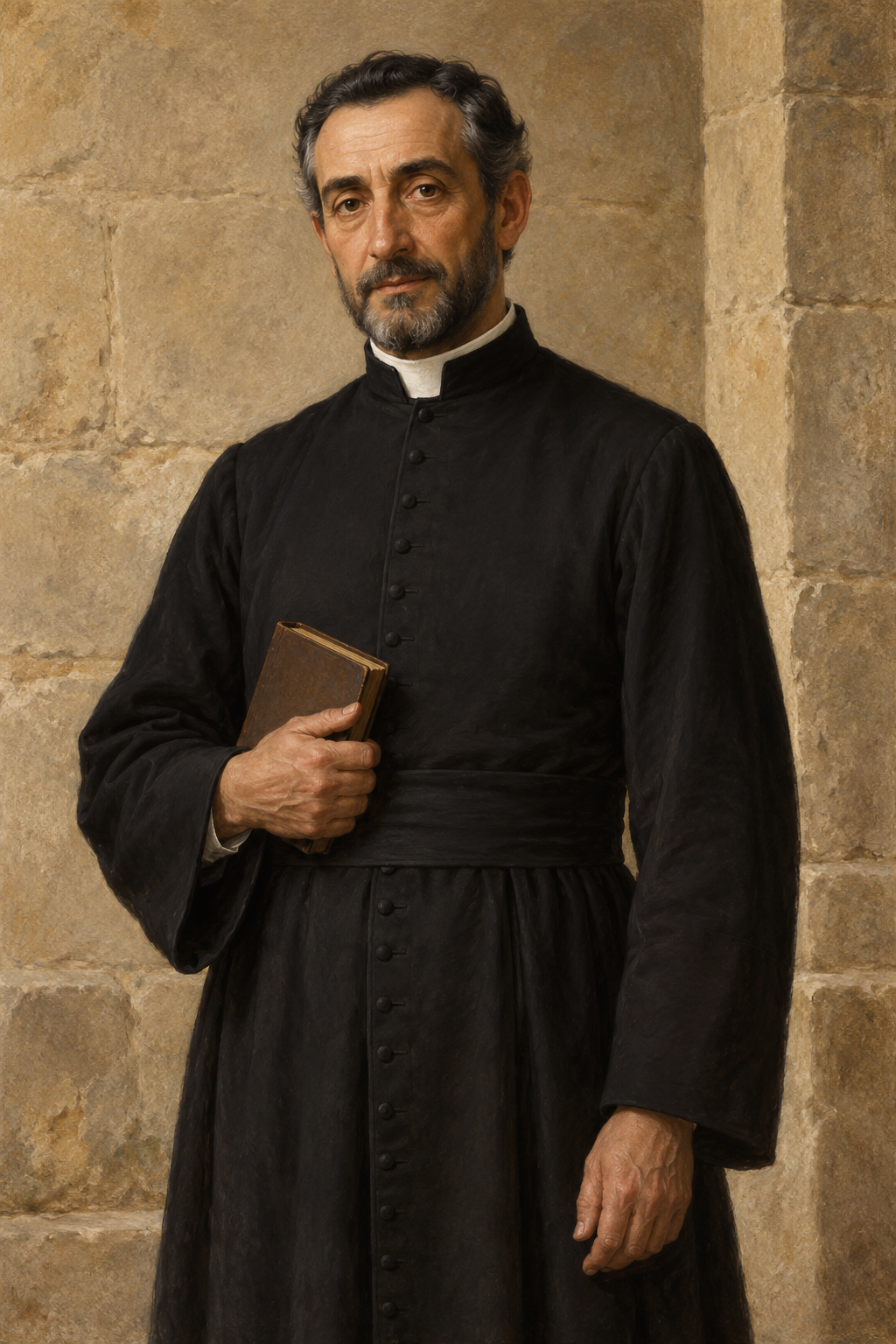
About Francis de Geronimo
Francis de Geronimo was born at Grottaglie near Taranto on 17 December 1642. Dario Busolini’s biographical study places him first among eleven children and describes the educational ambitions of his family. He learned in a local clerical community before studying at the Jesuit college in Taranto. That path joined family support, formal learning and early work in church life. The exact details of childhood piety reported in later devotional writing are less secure than the schools and dates that can be placed in his training.
He went to Naples in the 1660s, pursued further study and was ordained a priest in 1666. Sources disagree on the exact ordination day: Busolini gives 20 March at Pozzuoli, while the New Catholic Encyclopedia gives 18 March. The profile therefore keeps the year in prose and leaves the exact day out of structured events. Against his father’s preference for a local career, Francis entered the Jesuit novitiate on 1 July 1670. A period of preaching in the Otranto region followed.
Francis hoped for a mission farther away, even Japan, but his superiors assigned his long ministry to Naples. The New Catholic Encyclopedia places him at the Gesù Nuovo after his studies and describes the regular preaching that made him known in the city and countryside. He spoke in churches, streets, public squares and near the harbour, seeking listeners who might not otherwise enter a church. His preference for direct, comprehensible speech was part of the urban missionary method described by Busolini.
Preaching was only one part of his work. He organized the Oratorio delle Missioni with lay workers who prepared missions and brought people together. The group also offered financial help to members during illness and paid funeral expenses. He encouraged a shared monthly Communion and helped establish refuges for women and a shelter for abandoned children. These projects show the social organization behind his public sermons. They should be described without adopting the moral labels that some older sources applied to the people receiving help.
The surviving written record gives a check on the image of an entirely spontaneous preacher. The Catholic Encyclopedia reports that Francis left an account of fifteen years of mission work, composed in 1693 at his superiors’ request. It also notes developed sermon outlines preserved in Jesuit archives. Those materials show planning and reflection alongside the dramatic scenes favored by hagiographers. A claim that he preached extraordinary numbers of times in a day remains a reported estimate, not a number used here as a measurable fact.
Francis died in Naples on 11 May 1716. He was canonized in 1839, and his feast is kept on 11 May. The New Catholic Encyclopedia associates him with Naples and its patron saints, while its account of his remains differs from some local descriptions and needs review before a burial field is filled. His lasting place in Catholic memory comes through a ministry that brought religious teaching into ordinary urban spaces and connected it to mutual aid.
Wondering how to weigh the stories and sources? Learn how to read a saint biography.