Biography
Giuseppe Ambrosoli
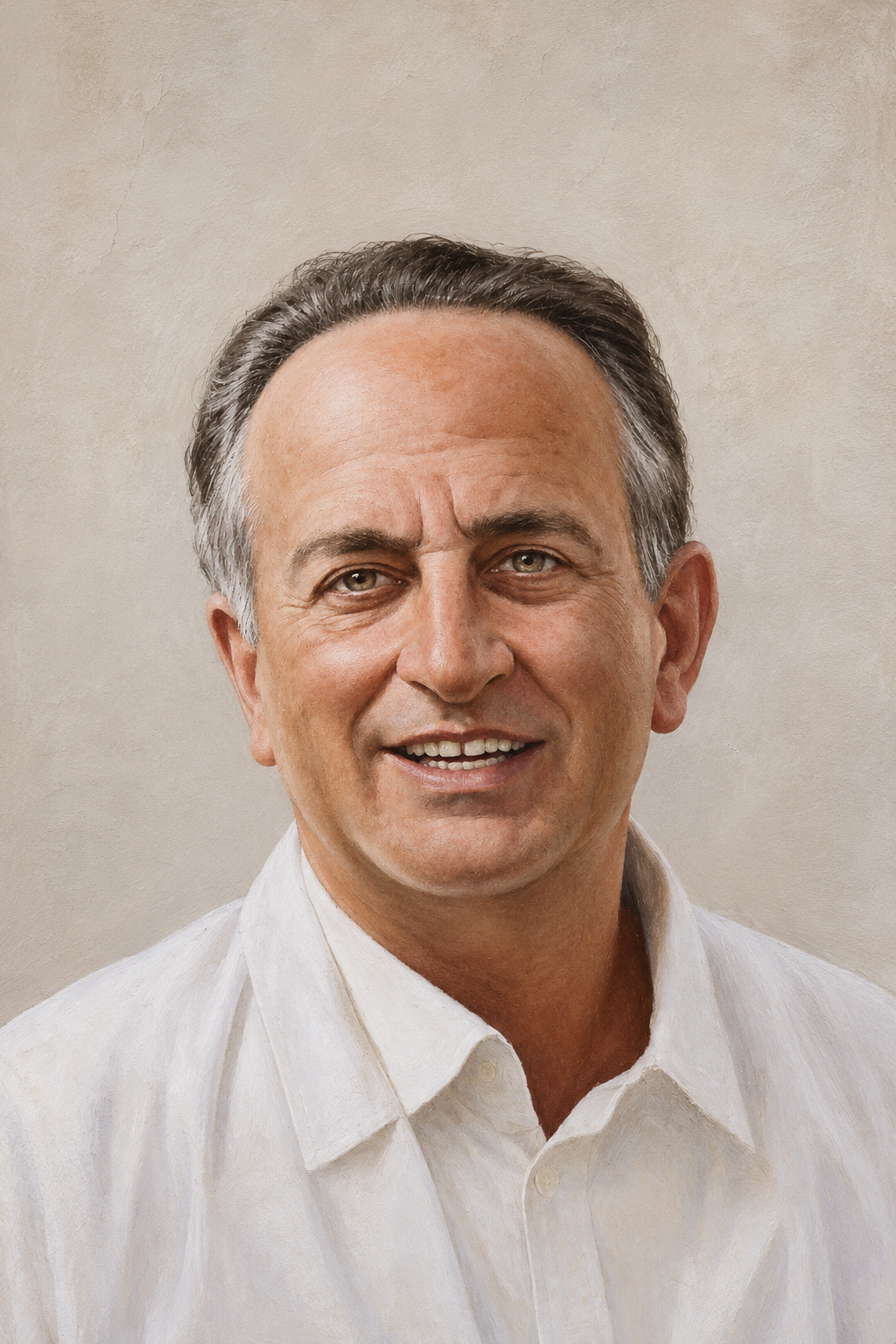
About Giuseppe Ambrosoli
Giuseppe Ambrosoli was a Comboni priest and physician whose work helped develop the hospital and midwifery training at Kalongo in northern Uganda. He was born in Ronago on 25 July 1923 into the family associated with the Ambrosoli honey business. His medical studies in Milan were interrupted by the Second World War. During the war, he helped people escape into Switzerland, then returned to Italy because of threats against his family. He was subsequently conscripted and sent for military training in Germany. These years preceded his decision to combine medicine with missionary life.
After the war he completed his medical degree and considered how to use it in the missions. In 1949 he approached the Combonians at Rebbio and asked about serving as a doctor. He also requested time to reflect before entering the congregation. Training in tropical medicine in London added to his preparation. In October 1951 he entered the novitiate at Gozzano; religious formation followed his professional studies rather than replacing them. During his theological studies at Venegono, he continued surgical training at the hospital in Tradate. The need for a physician in Uganda led his superiors to seek an earlier ordination, with the remaining theology to be completed in Africa. He was ordained in December 1955 and left for Uganda the following February. He combined his medical preparation with religious formation, continuing theological studies after his departure for Africa.
Kalongo already had a dispensary and maternity service associated with Alfredo Malandra and Eletta Mantiero. Ambrosoli joined that existing work and helped it grow. The development of a midwifery school required trained staff and official recognition, and finding suitable personnel brought repeated difficulties. The hospital also expanded its buildings and services. Arnaldo Baritussio’s account describes new surgical facilities and other improvements during the early 1970s, despite considerable political uncertainty. Ambrosoli continued because patients needed the care. He operated, supervised other doctors and taught surgical skills, while also helping to secure the resources that made treatment possible. A letter to supporters in Bologna placed this work within his religious commitment: uncertainty made it particularly important to show that the mission was serving others rather than pursuing its own advantage. His medical and religious responsibilities remained closely connected.
Colleagues remembered the daily manner in which he worked as well as his achievements. Luigi Tacconi emphasized professional seriousness and respect for patients’ dignity. Laboratory technician Emilia Francesca Susani recalled arriving at Kalongo and being welcomed by Ambrosoli, who carried her luggage. She also remembered his care for colleagues who were ill. Sister Enrica Galimberti, who worked in the operating room and as a head nurse, recalled his practical advice about careful work: strive to do a task well without ruining a good result through unnecessary attempts to perfect it. These personal recollections describe a demanding profession carried out with courtesy and attention. They also show that his hospital depended on a community of workers, each bringing a particular skill to the care of patients.
The pediatrician Tito Squillaci worked at Kalongo from 1983 to 1985 and later wrote about the impression Ambrosoli made on him. When Squillaci first arrived, Ambrosoli was in Italy for treatment. He remembered the welcome when the priest returned: people gathered in front of the mission, and bells rang. In his 1999 testimony, Squillaci described Ambrosoli as someone to whom the whole community could turn with both technical and personal problems. He distinguished that authority from an authoritarian manner and connected it with a willingness to put others first. The memory is a colleague’s assessment, recorded after their work together. It gives a view of how Ambrosoli’s responsibilities were experienced by another doctor, including the place of prayer, generosity and concern for other people within a crowded working life.
His own health deteriorated. The biographical extract from his cause records treatment in Italy for serious kidney disease in 1982 and his return to Kalongo in 1983. His responsibilities continued despite that vulnerability.
In February 1987 a military order forced the evacuation of Kalongo hospital. Ambrosoli helped the staff and patients leave and worked to preserve the midwifery school, so its students could finish their year. The displacement brought a painful end to his work at the hospital, but he continued to attend to the needs of the people leaving with him. His already fragile health worsened, and he died in Lira on 27 March 1987. The foundation’s account records his wish to remain in Uganda and identifies his burial place at Kalongo, beside the hospital that carries his name. His legacy includes the training of local health workers as well as treatment provided during his own lifetime.
Ambrosoli was beatified on 20 November 2022. The Catholic Church honors him as a blessed whose medical vocation and priestly life were expressed together in service to people in Uganda.
Wondering how to weigh the stories and sources? Learn how to read a saint biography.