Biography
Heliena of Laurino
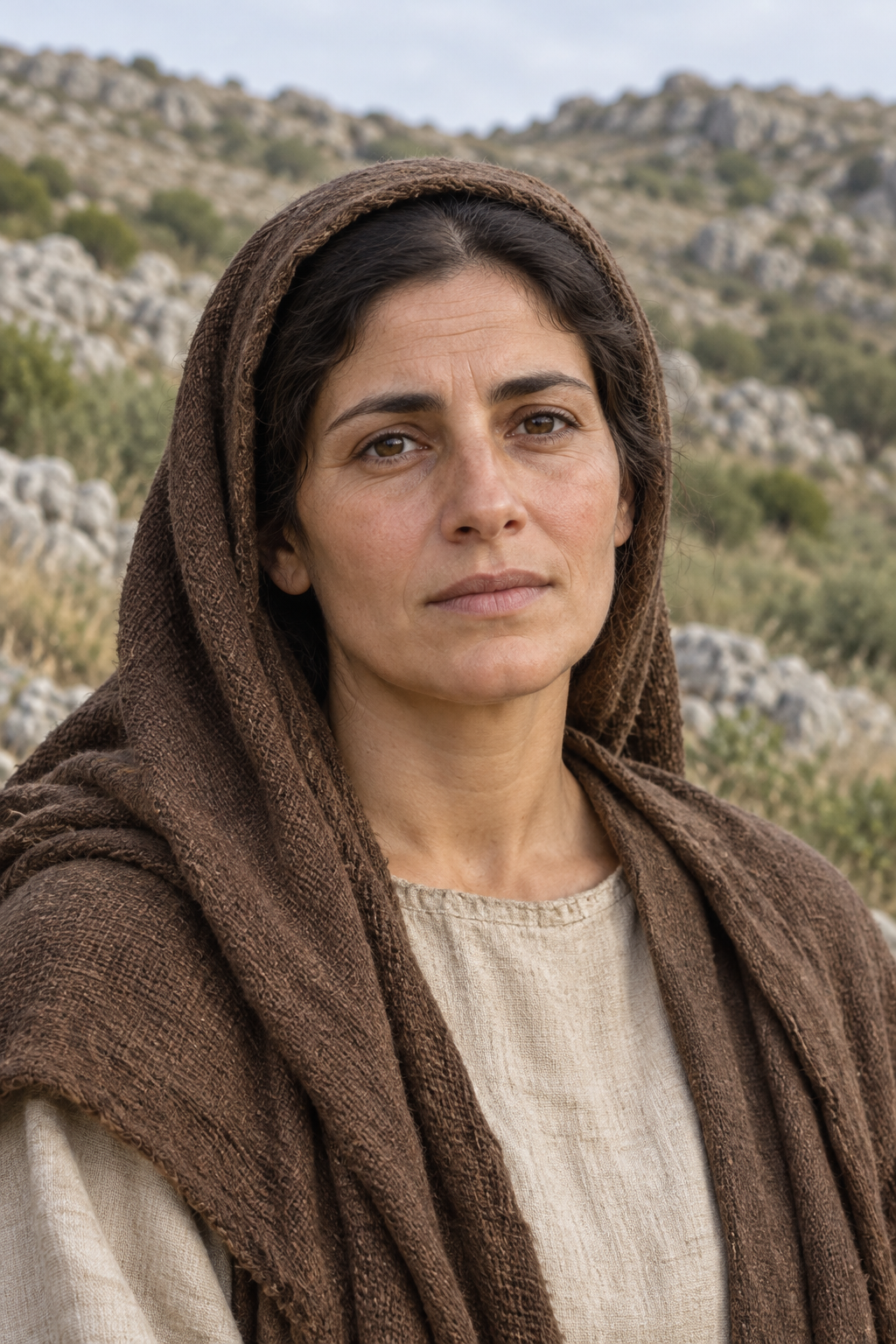
About Heliena of Laurino
Heliena is remembered at Laurino in southern Italy as a woman who chose a life of prayer and solitude. Local tradition places her birth in Laurino and associates her with a cave in the nearby mountains of Pruno, where she is said to have lived and died.
The regional heritage catalogue places her in the sixth century. The Martyrology gives a seventh-century setting. Local researcher Mino Schiavo proposes the late eighth or early ninth century.
Schiavo also distinguishes the sparse historical record from the later theatrical telling of her life. He describes how Nicolò Politi dramatized the story in the eighteenth century for a local audience. Such performances helped preserve her memory, but their episodes cannot simply be treated as testimony from Heliena’s own time.
Stories about her relics became part of local devotion. The written description of an interview recorded by Annabella Rossi in 1976 recounts a woman’s version of a dispute between Laurino and Piaggine: two calves determined which community would receive the saint’s remains. The archive identifies this as a recurring kind of foundation legend. It records a living tradition, not independent evidence of the journey of the relics.
The regional heritage inventory describes processions in May and August and a June pilgrimage to the cave. Women carry elaborate candle structures called cente, and the May observance includes an ox-drawn cart recalling the relic legend. These practices connect the remembered hermitage with the worship and social life of the town.
Laurino’s municipal celebration notice explicitly honors Heliena as the town’s patron and protector. This enduring local relationship is clearer than the dates of her life: she remains a named focus of the community’s religious remembrance.
Wondering how to weigh the stories and sources? Learn how to read a saint biography.