Biography
Hesychius of Jerusalem
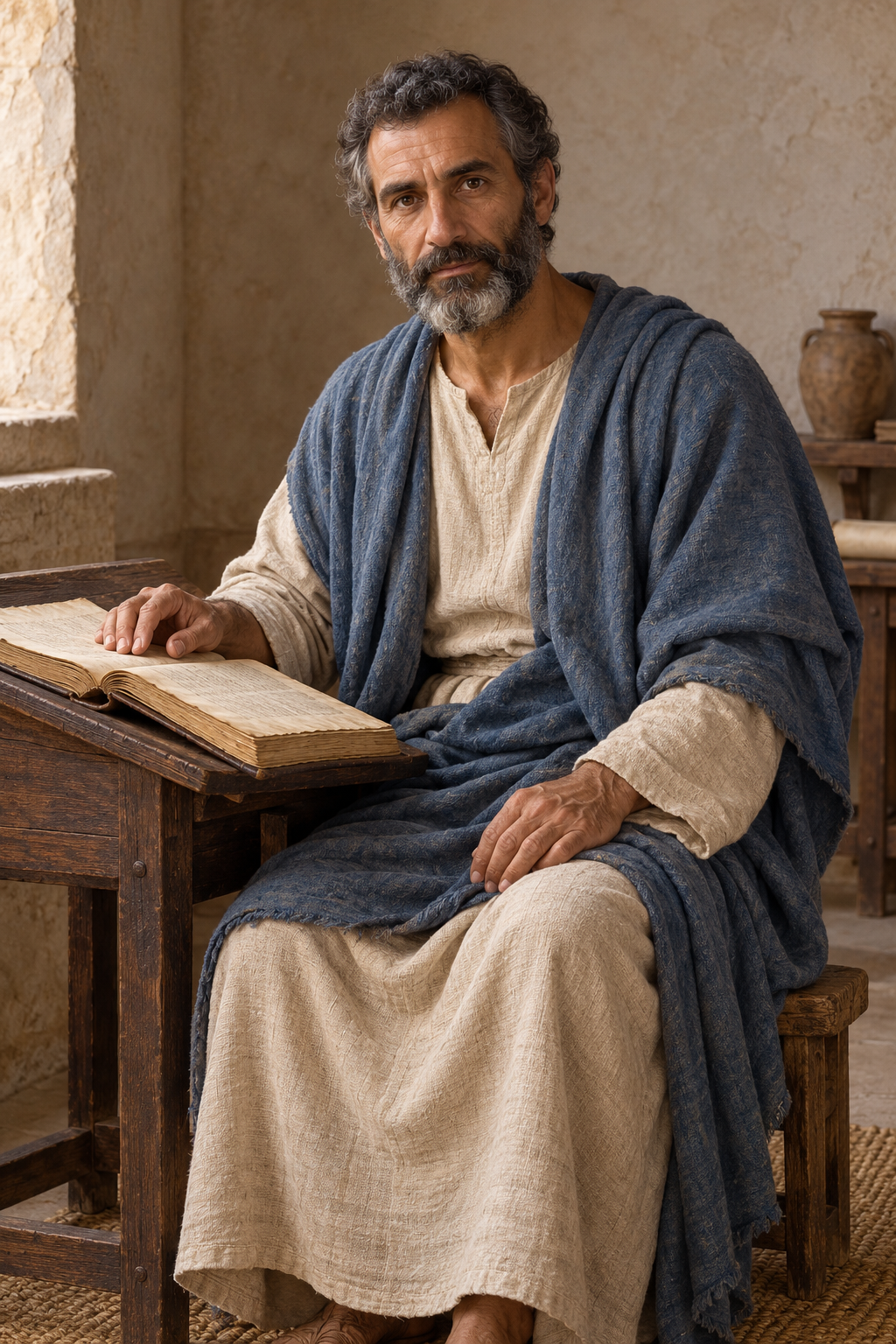
About Hesychius of Jerusalem
Hesychius of Jerusalem was a fifth-century priest who taught through sermons and extensive interpretation of Scripture. He belongs to the generation surrounding the Council of Ephesus in 431. Pierre Courcelle describes a preaching career that began roughly twenty years before that council, following a probable period of monastic life in the desert. The surviving sermons reveal a teacher working within the worship of Jerusalem’s churches.
According to the church tradition summarized by the Orthodox Church in America, he was born and raised in Jerusalem, studied Scripture and later sought an ascetic life. The account presents his ordination as something he accepted reluctantly. These details belong to his received life rather than a securely documented childhood.
The same source, drawing on Cyril of Scythopolis, places him among those accompanying Patriarch Juvenal at the dedication of Euthymius’s monastery church in 428 or 429. It remembers him as a priest and teacher of the church.
Michael Faulhaber explicitly distinguishes the priest from the later bishop of Jerusalem. He also warns that collections printed under the name Hesychius brought together writings by different authors. The ascetic maxims associated with Hesychius of Sinai should not be assigned to the Jerusalem priest.
His preaching could be direct and practical. In On Fasting, he rejects abstinence without a change in conduct. Prayer and almsgiving belong together. He condemns helping the poor while exploiting others.
The sermon also displays his imaginative use of biblical stories. He pictures the lions in Daniel’s story and the creature that swallowed Jonah as themselves refraining from consuming their captives.
The Pappas Patristic Institute notes his opposition to Nestorius and the preservation of a passage from his lost church history in the acts of the council held at Constantinople in 553.
Courcelle identifies hostility toward Jews, pagans and women in the homilies, alongside attacks on theological opponents.
Hervé Savon explains that Michel Aubineau’s edition distinguished sixteen authentic homilies within a collection of twenty-one transmitted under Hesychius’s name. The manuscripts did not preserve those authentic sermons as a single collection. Their attribution depended on comparing external testimony with patterns of language and style.
The current JERIHNA scholarly catalog assigns it to Hesychius and records that its complete text survives in Latin, while a Greek fragment was also published.
His exact birth and death dates remain uncertain.
The Orthodox Church in America commemorates him on March 28.
Nominis likewise recognizes him as a saint and lists March 28 as a local Catholic feast.
Courcelle emphasizes the value of the sermons for the liturgical calendar and churches of early Jerusalem.
Wondering how to weigh the stories and sources? Learn how to read a saint biography.