Biography
Jacinto Castañeda
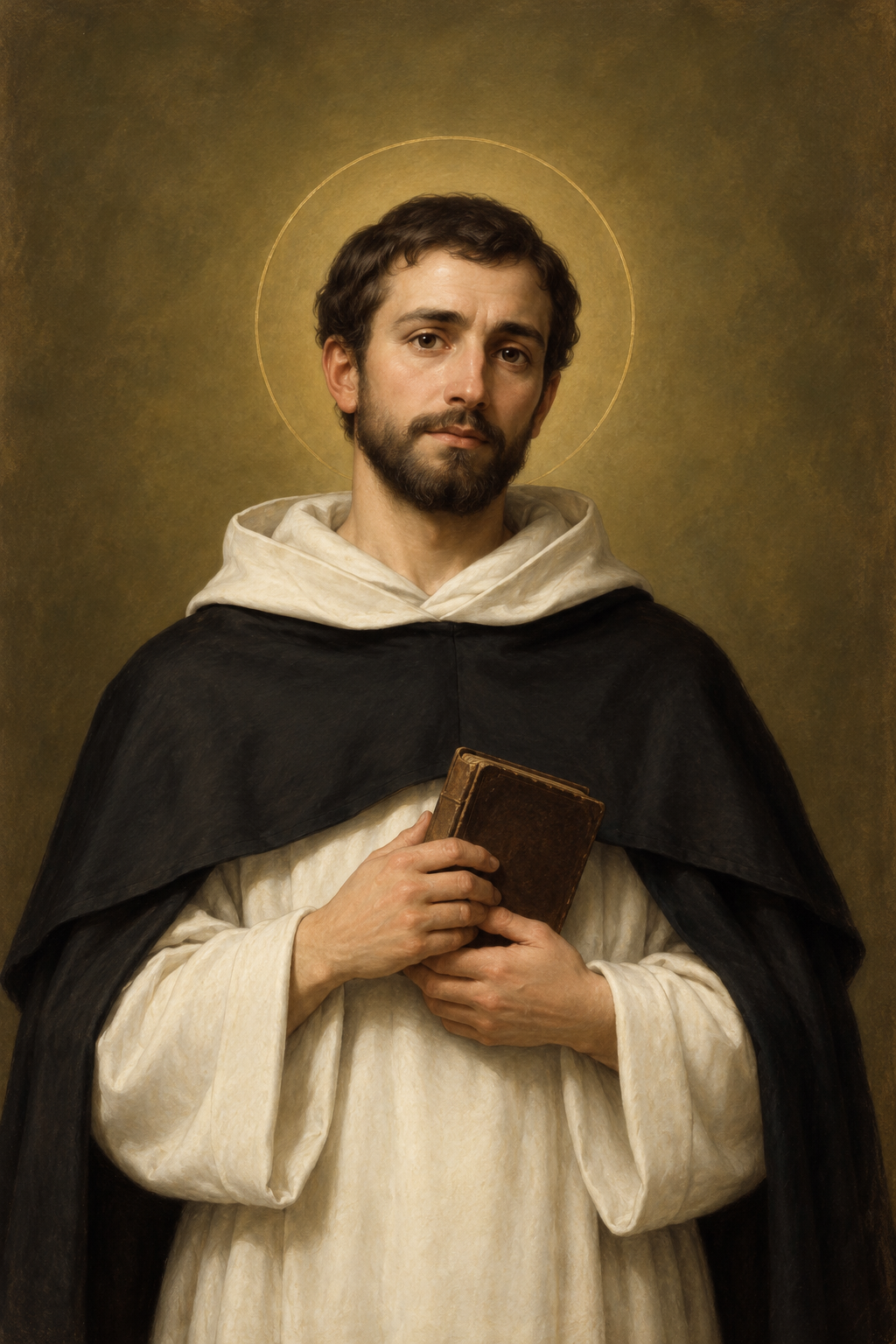
About Jacinto Castañeda
Jacinto Castañeda was a Spanish Dominican priest whose missionary life took him to Asia and ended in martyrdom in Tonkin. Born at Xàtiva on January 13, 1743, he was baptized in the town’s collegiate church. He died by beheading on November 7, 1773, at the age of thirty.
Historian T. Gómez García traces his religious formation from entry into the Dominicans at Xàtiva to studies at Orihuela. In 1761 he volunteered for the Asian missions. The journey carried him away from his family, but his correspondence preserved ties with people at home.
One surviving connection is recorded by the Dominican nuns of Xàtiva’s Convent of the Consolation. Their community history identifies a letter written from Manila on June 24, 1764, addressed to the prioress, Josefa María Aliaga, and her community. The notice establishes the letter’s preservation without reproducing its contents.
His ministry in China brought arrest and expulsion. Alfa y Omega recounts his journey to assist a dying Christian and the imprisonment that followed. The article reproduces his report of permanent banishment, with a death penalty threatened if he returned. It also records punishment of the Christians who had housed the missionaries: they faced lashes and compulsory labor. The consequences of the mission therefore fell upon local hosts as well as visiting priests.
In Tonkin he learned the local language and worked among Christian communities. The Vietnamese bishops’ account remembers his ministry to sick people, followed by arrest in 1773. It places his execution alongside the Vietnamese Dominican Vicente Liêm de la Paz at Đồng Mơ and records their burial at Trung Linh.
Gómez García reproduces excerpts from Jacinto’s correspondence that complicate a picture of effortless courage. A letter written during his confinement describes spiritual dryness, sadness and distress, together with the consolation he found in prayer. These passages preserve an account of faith under pressure, rather than a claim that imprisonment caused him no fear or suffering.
John Paul II canonized him on June 19, 1988.
His hometown continues to commemorate him on November 7. A 2016 church report describes worship, veneration of a relic and a procession to his birthplace, where a museum preserves documents and objects associated with his memory. These local observances connect his Asian ministry with the community in which he grew up.
Wondering how to weigh the stories and sources? Learn how to read a saint biography.