Biography
Jacob of Nisibis
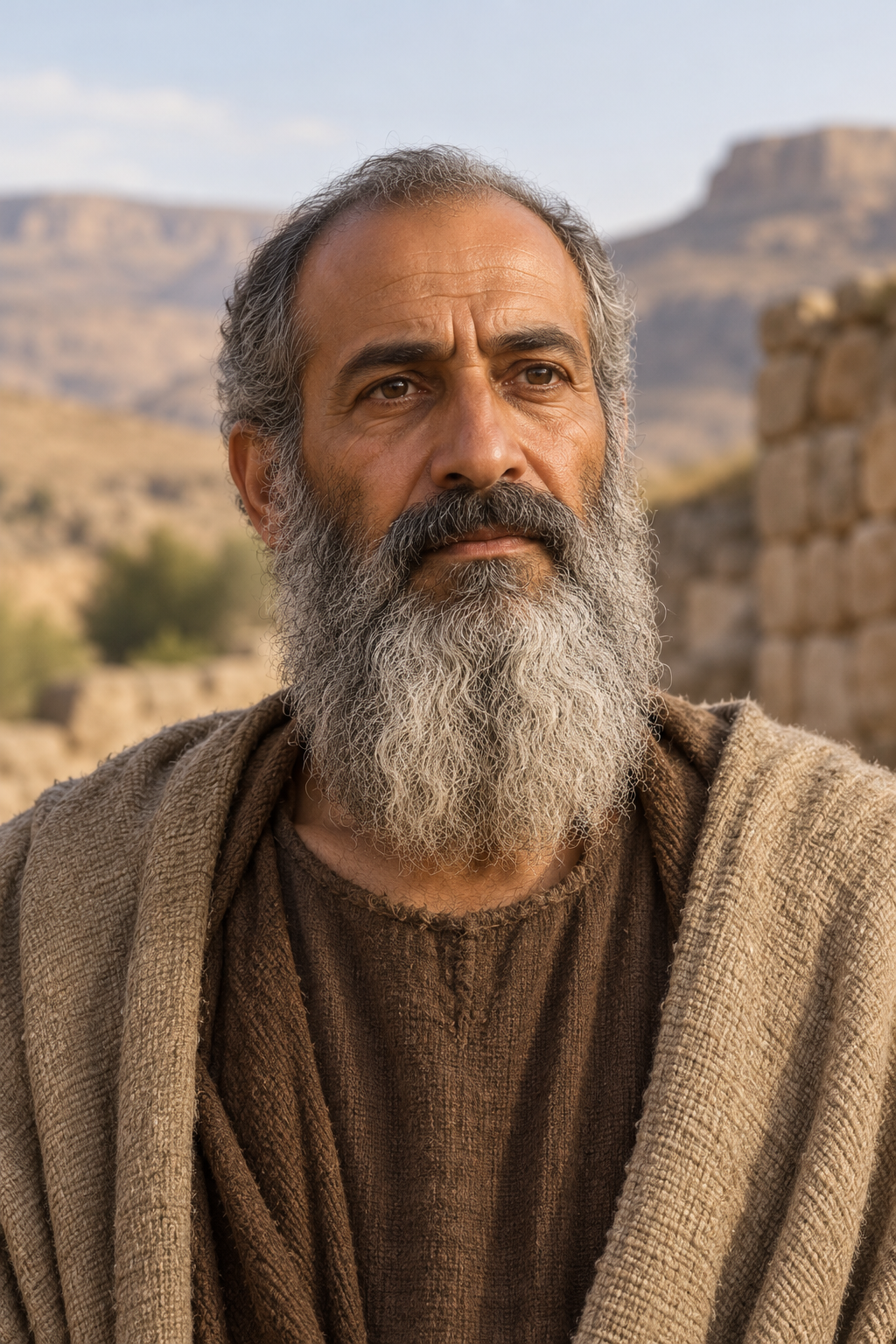
About Jacob of Nisibis
Jacob led the church of Nisibis during the early fourth century. Joseph Amar identifies him as its earliest recorded bishop and emphasizes how little secure biographical information survives. The closest evidence to an eyewitness account comes from Ephrem’s Nisibene Hymns, which remember Jacob as a father and teacher of the community.
The received ascetic tradition describes a man who sought solitude in the mountains, lived outdoors and wore coarse clothing. The Orthodox Church in America recounts his selection as bishop after that austere way of life. These details belong to the remembered image of the saint, rather than to a fully documented early biography.
Butler’s account, reproduced by Norway’s Catholic Church, describes Nisibis’s inhabitants invoking Jacob as their patron.
The Norwegian compilation explains that stories placing him alive at the siege of 350 do not fit the earlier death accepted by modern historians.
Amar dates his death to 337 or 338 and treats the later Greek and Armenian narratives principally as evidence for the growth of his cult. Those traditions portrayed him as a holy man and a model bishop. They should not all be read as contemporary reports of his actions.
A particularly important correction concerns books once assigned to him. The Demonstrations belong to Aphrahat, the Persian Sage, whose name was also given as Jacob in early manuscripts. Sebastian Brock explains that an Armenian translation and Gennadius confused that author with the bishop of Nisibis. Several Demonstrations were written after the bishop’s death, making the identification impossible.
His commemoration continues in different calendars. The Orthodox Church in America keeps January 13, while the Norwegian Catholic biography lists July 27. The two observances are recorded separately here.
Wondering how to weigh the stories and sources? Learn how to read a saint biography.