Biography
Jean Chevillard
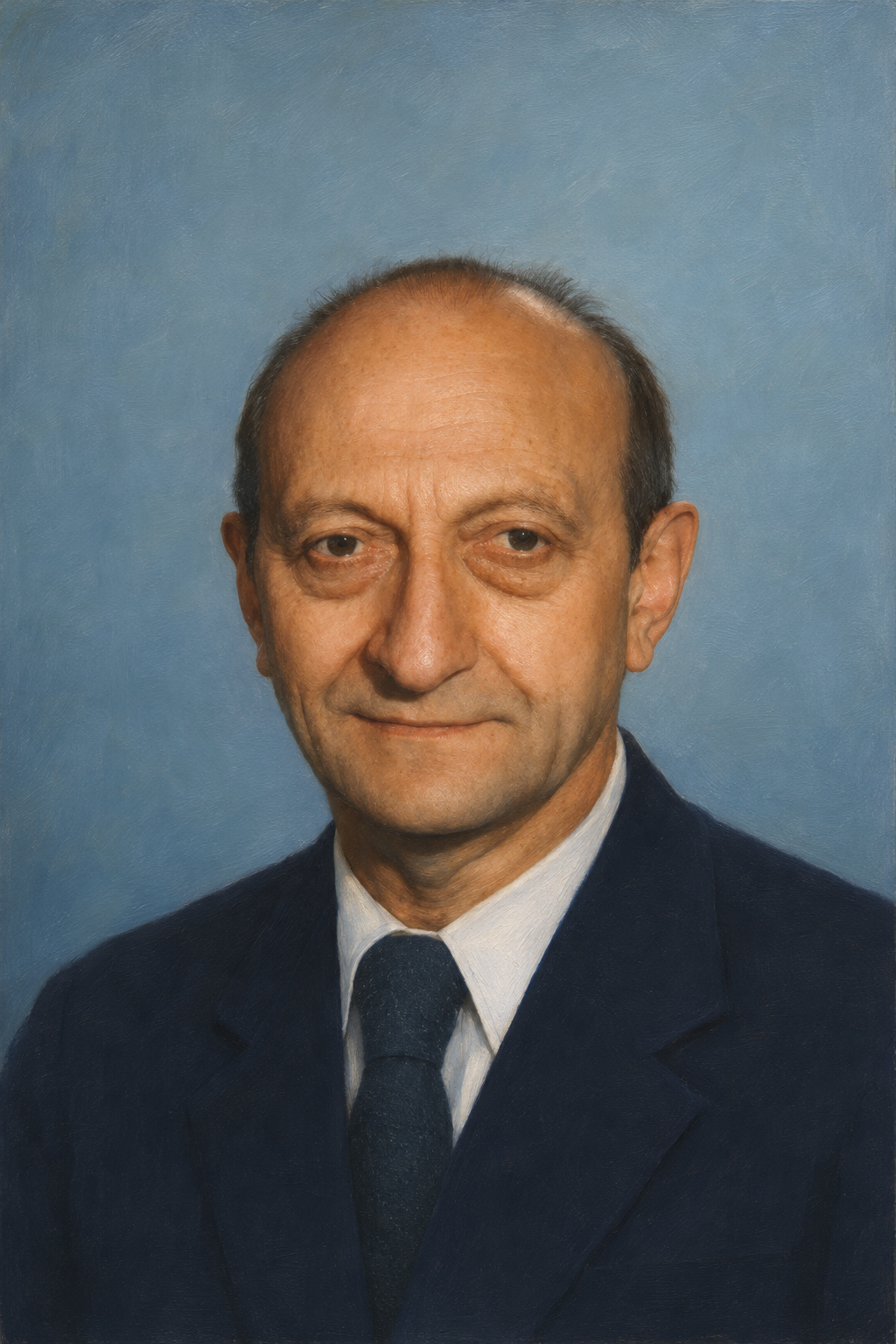
About Jean Chevillard
Jean Chevillard was born in Angers in 1925 and became a Missionary of Africa, a member of the White Fathers. His preparation for religious life took place during the Second World War. Still a teenager, he reached North Africa and continued his formation there. He made his missionary oath in June 1949 and was ordained a priest at Carthage on 1 February 1950. Algeria became the principal setting of his life and work. His responsibilities included vocational education, administration and leadership within his congregation.
The congregation remembers his practical ability as an organizer alongside a strong character tempered by human warmth. He served as bursar at the seminary in Thibar, Tunisia, and helped establish a vocational training center at El Harrach in Algeria. The formation of young people remained a priority through years of work with such centers. His religious community also entrusted him with responsibilities for other missionaries. He spent six years as assistant provincial in France and six as regional superior in Algeria. The congregation’s account describes him as becoming more flexible with age while retaining his practical skills and concern for people. These qualities were important in work that depended on relationships as well as administration.
François Richard’s recollection adds details of the preparation behind this service. After an initial assignment in the Algiers casbah, Jean spent two years studying Arabic at Manouba in Tunisia. Richard describes his later administrative responsibilities as demanding a willingness to accept tasks that were different from the simpler life among ordinary people he would have preferred. At Tizi-Ouzou, his work at the social secretariat included helping people write documents and navigate administrative procedures. The role brought him into contact with many residents and led to lasting friendships. Richard also remembered Jean visiting him during a final stay in France in 1994. He knew that returning to Algeria involved danger, but understood the work there as his life. Richard places his period of responsibility in France amid the changes following the Second Vatican Council. Later, in Algeria, the nationalization of Catholic schools required missionaries to reconsider their work. Jean helped colleagues through those changes. Richard emphasizes both his firm convictions and his ability to listen, describing humor as another quality that made him useful to the community. He accepted responsibilities despite his personal preference for simpler work.
Jean-Marie Humeau, his nephew and a priest himself, remembered a relative with whom he could talk easily during journeys to and from the airport. Their conversations often concerned the Church and their shared priestly vocation. The family also knew a more playful side of him. Humeau recalled a holiday together in Ireland and family stories of a trip to Norway. Such memories place Jean within the ordinary affections of a large family, rather than only within the circumstances of his death. Humeau said that his uncle did not complicate simple things. He associated the responsibilities entrusted to him with that straightforward character and his willingness to obey.
An Algerian man who had known Jean in 1959–1960 offered another perspective after his death. He recalled arriving from a detention camp ill, impoverished and angry. Jean welcomed him. The witness said that observing his kindness changed his understanding of people he had regarded as outsiders. He did not become a Christian, but remembered Jean’s conduct as a lasting spiritual influence. The testimony describes help offered without an expectation of repayment or religious conversion.
In the worsening insecurity of 1994, Jean understood that he could be killed. When a sister asked why he was returning to Algeria, he spoke of the friends among whom he had made his home and said that he wished to be buried there if he died. On 27 December, he was working in his office at Tizi-Ouzou, receiving visitors and attending to correspondence. Armed men called him out, and he was killed. The cause’s account remembers him through the testimony of Pierre Georgin, who emphasized his seriousness in carrying out duties.
Humeau recalled hearing the news while staying with his parents. The family’s distress remained vivid in his later account. He also spoke candidly about finding it difficult, after his uncle’s murder, to wish good rather than harm to the killers. Learning to pray for them was part of his own response to the loss. His recollection should be read as a bereaved relative’s testimony, distinct from an investigation into the attack.
Jean was buried at Tizi-Ouzou. The Missionaries of Africa commemorate him on 8 May with the martyrs of Algeria. Their remembrance includes the work he did for people seeking education or practical help, as well as his death.
Angers also preserved his name in a public place: the municipal archives record the naming of Square Jean-Chevillard on 27 November 1995. This civic remembrance connects his years abroad with the city in which he was born.
Wondering how to weigh the stories and sources? Learn how to read a saint biography.