Biography
John Twenge
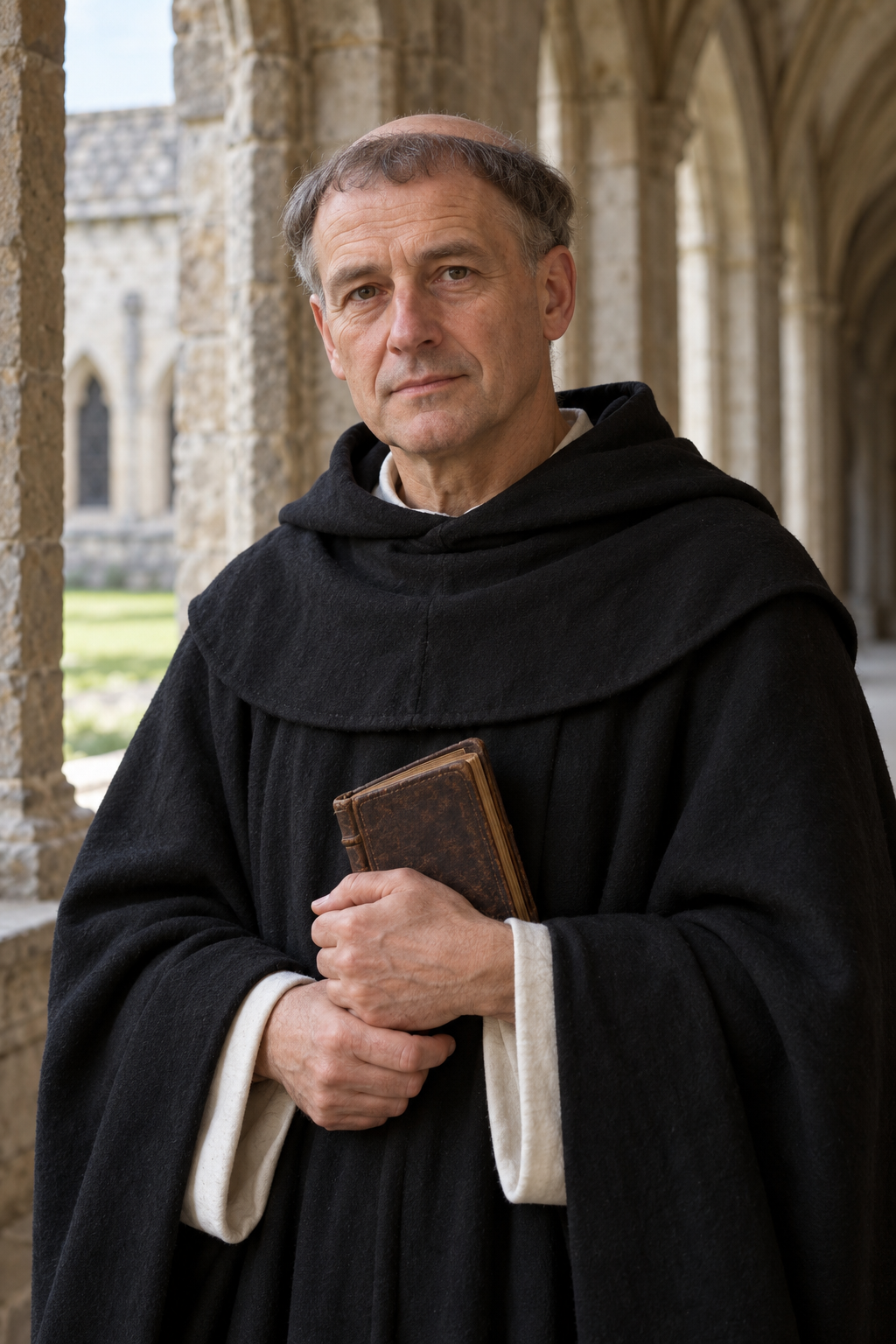
About John Twenge
John Twenge, better known as John of Bridlington, was an Augustinian canon and prior in medieval Yorkshire. He came from Thwing and spent his religious life at Bridlington. The New Catholic Encyclopedia places his birth around 1320 and describes his education at Oxford before he entered the priory. The exact year of his birth remains uncertain.
Kingsford’s Dictionary of National Biography account describes a gradual succession of responsibilities within the community. John served as master of novices, precentor, almoner and subprior before becoming prior. The older accounts differ about his age and the year he became prior, so a precise chronology of his early life is difficult to establish.
Stories of extraordinary help became part of his memory. The Catholic Encyclopedia recounts sailors who invoked him during a storm and believed that he guided them safely to shore. It also records his invocation by women facing difficult childbirth. The rescue is a devotional miracle story, rather than an independently established account of a sea voyage; the invocation records the particular hopes that people brought to him.
John died on October 10, 1379. Later writers disagreed about whether a formal papal canonization had taken place. The historian J. A. Twemlow resolved the question by finding the relevant documents in the registers of Boniface IX. His 1914 study identifies the canonization bull dated September 24, 1401, followed by a mandate the next day. It also discusses royal support for a shrine and evidence for the translation of John’s remains on May 11, 1404. These records clarify a chronology that older reference works sometimes misreported.
His shrine drew attention beyond the local community. Catherine Sanok’s published chapter summary notes visits by Henry V after Agincourt and by later kings. It also identifies aristocratic gifts and the inclusion of John in William Porter’s book of hours. Such evidence places his devotion within the religious life of late medieval England, among people whose circumstances were very different from those of a cloistered canon.
A small pilgrim badge now in London Museum offers a more tangible trace of that devotion. Dating from the early fifteenth century, it shows John of Bridlington beside John of Beverley. The figures have lost their heads, but Bridlington’s habit and book remain identifiable. The badge is made of lead alloy, a modest material suited to a portable keepsake. It preserves a different scale of remembrance from a royal visit or an elaborate shrine.
The medieval shrine was destroyed in 1537. The British Pilgrimage Trust describes a modern memorial at Bridlington Priory and a continuing association with women in childbirth and the local fishing industry. The Diocese of Middlesbrough’s 2020 calendar lists John on October 21 as an optional memorial. His remembrance thus continues in local prayer and worship, alongside the surviving records and objects through which historians study his life and cult.
Wondering how to weigh the stories and sources? Learn how to read a saint biography.