Biography
José María Gran Cirera
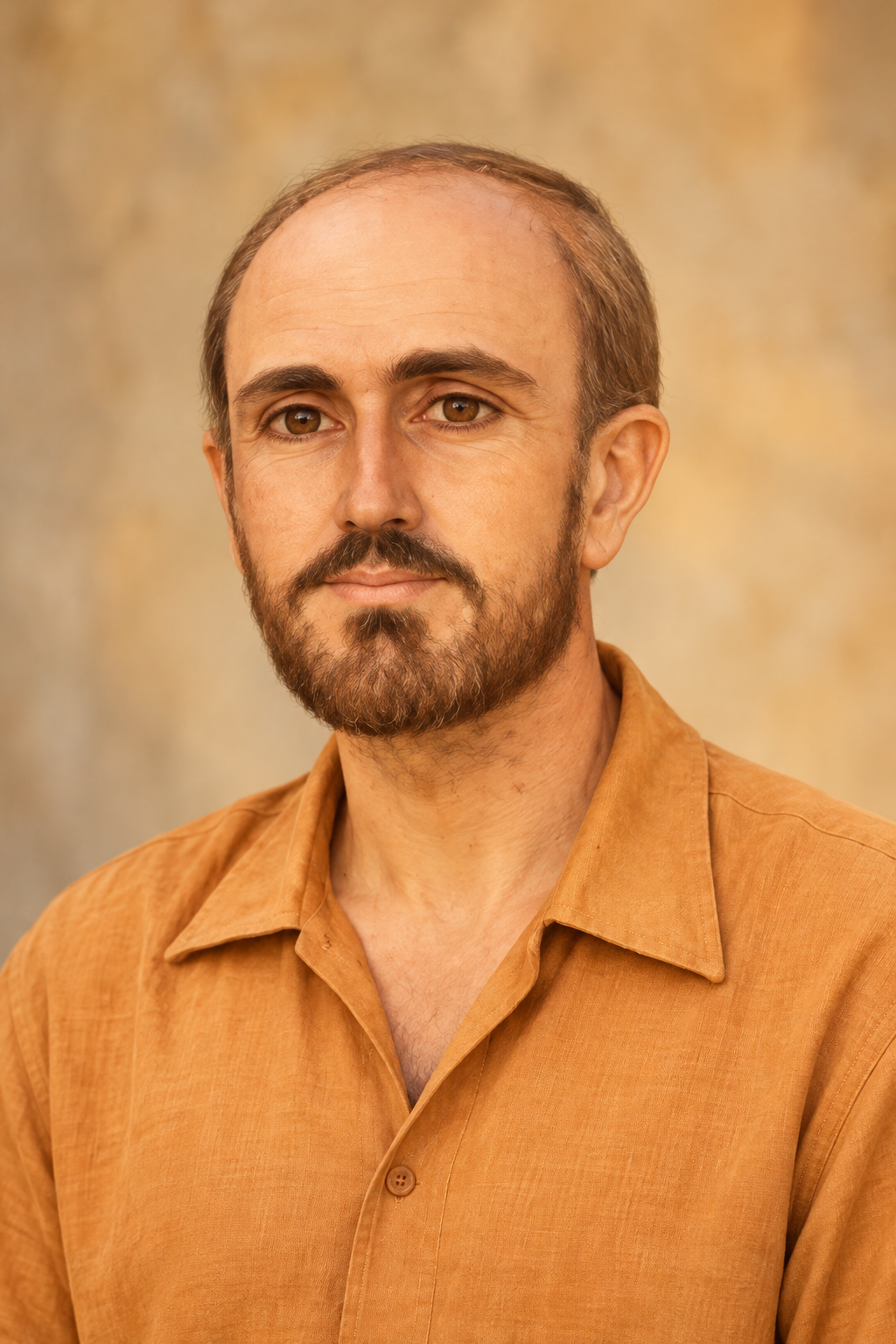
About José María Gran Cirera
José María Gran Cirera was a Spanish Missionary of the Sacred Heart who served communities in Guatemala. He made his first religious profession in 1966 and was ordained in Valladolid in 1972. After ministry in Valencia, he went to Guatemala in 1975.
His family had roots in more than one Catalan town. Historian Joan Pallarès-Personat identifies his mother as a native of Barcelona and his father as coming from Mont-roig del Camp, with the Gran family originating in Riudoms. The same account places his entry into the Missionaries of the Sacred Heart’s novitiate at Canet de Mar in 1965. This was a place of religious formation; it should not automatically be treated as his birthplace.
San Jerónimo parish in Orriols remembers him among the members of his congregation who served the neighborhood.
Pallarès-Personat gives a more detailed sequence for his Guatemalan assignments. Gran Cirera served in Santa Cruz del Quiché from November 1975 to February 1978, a period that included the destructive earthquake of February 1976. He then spent several months in Zacualpa before reaching Chajul in September 1978. There he served San Gaspar parish in a more rural and remote setting. The account situates his ministry amid changes of community and the demands of travel, rather than presenting his five years in Guatemala as a single uninterrupted parish appointment.
In Quiché, Gran Cirera worked in Santa Cruz, Zacualpa and San Gaspar Chajul. Juan Molina, a member of his congregation, describes journeys on horseback between mountain villages, accompanied by the sacristan Domingo del Barrio Batz. A family letter reproduced in the diocesan account recalls how the people of Quiché helped him understand Christian hope through their hardship.
The work became increasingly dangerous. Molina recounts that a military commander threatened Gran Cirera after a diocesan statement defending poor people. The account presents accusations of subversion as part of the hostility toward his ministry, not as proof that he belonged to an armed group.
Darío Taveras, another Missionary of the Sacred Heart, remembered spending two weeks with Gran Cirera and his fellow missionaries at a congregational assembly before the killings. After returning to Santo Domingo, Taveras received news that Gran Cirera and a catechist had been killed. His recollection places the loss within a community of missionaries who had recently been together.
He and Domingo were killed on June 4, 1980, while returning from pastoral visits. The diocese locates their deaths near Xe Ixoq Vitz, in Chajul.
Santiago Otero’s biography of Bishop Juan Gerardi describes the funeral in Chichicastenango. Bishops Luis Manresa and Mario Enrique Ríos presided, together with the missionaries’ superior, Fernando Carbonell, and other priests. Gerardi himself was visiting communities around Lancetillo and could not return: persistent rain prevented the aircraft from reaching him. The Guatemalan bishops publicly condemned the killing in a statement issued on June 13, 1980. Otero also records the army’s claim that its troops had killed two members of a guerrilla column. He rejects that account as an attempt to mislead the public. His narrative preserves both the Church’s response and the dispute over how the deaths were represented; the military claim is not evidence that Gran Cirera or Domingo was a combatant.
The catechist Tiburcio Hernández Utuy later recalled the fear that followed Gran Cirera’s death. In his published testimony, he described abandoning his trading journeys and becoming afraid even to leave home or attend meetings. His account records the effect of the killing on a surviving church worker; it does not claim that he witnessed the attack. Utuy’s account places that fear amid military checks on the roads. He remembered soldiers accusing him of carrying food to guerrillas while he was transporting goods with his mules. After he stopped trading, his wife still traveled to Chajul and faced questions about his whereabouts.
His death also became part of a demand for judicial investigation. A complaint addressed by Rigoberta Menchú Tum to Spain’s Audiencia Nacional included an individual account of Gran Cirera’s killing alongside those of other Spanish priests. Menchú asked the court to investigate and pursue criminal proceedings, describing the priests as part of the life and losses of her own region. The document is evidence of that appeal for justice, not a court judgment establishing every allegation it contains. Its account of Gerardi’s presence at the funeral conflicts with Otero’s account and is not adopted here.
The Catholic Church beatified him with nine other Quiché martyrs on April 23, 2021.
The meaning of this recognition was discussed by the Redemptorist priest Amado Picardal in an article endorsed by the international religious superiors’ justice and peace commission in 2021. He interpreted the Quiché martyrs’ deaths as consequences of a faith practiced through solidarity with poor and oppressed people. In his account, defending human dignity belonged to Christian discipleship, rather than being an activity separate from it. This is a theological interpretation of their witness; it does not turn every detail of the group’s experience into an event in Gran Cirera’s individual life.
Wondering how to weigh the stories and sources? Learn how to read a saint biography.