Biography
Liberat Weiss
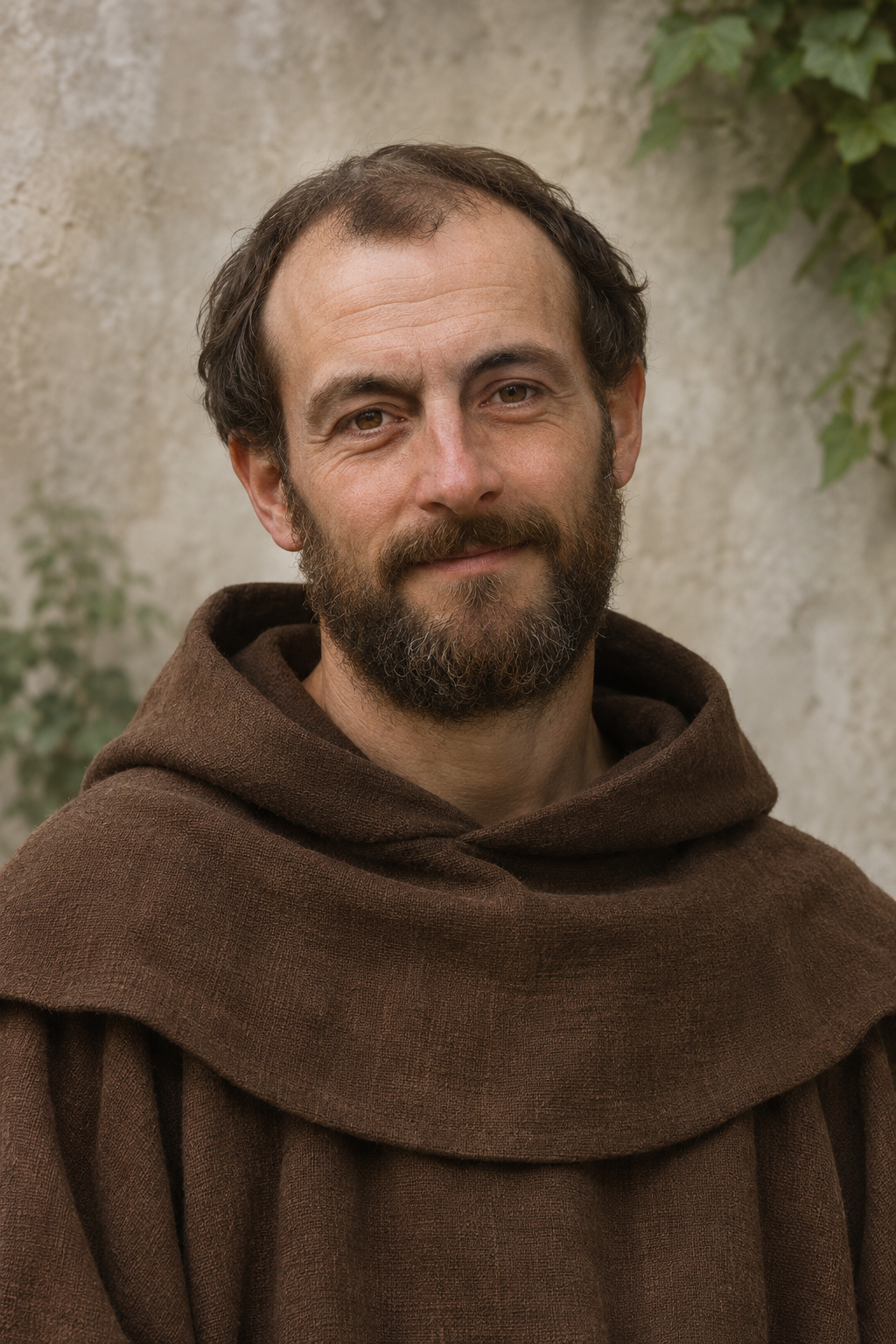
About Liberat Weiss
Liberat Weiss was born Johannes Laurentius Weiss at Konnersreuth in Bavaria on 4 January 1675. At eighteen he entered the Austrian Franciscan province and began his religious life at Graz. He was ordained in Vienna in 1698. His first ministry included preaching and hearing confessions at Langenlois and Graz, before he volunteered for work in Ethiopia. His life thus joined a Bavarian birthplace with formation and service in Austrian Franciscan houses.
His earlier education had taken him to the monastery school at Waldsassen. The move to Graz then placed him within a Franciscan province extending beyond his native region. He continued through the order’s studies before beginning work as a preacher and confessor.
The invitation followed reports that Ethiopia’s ruler wanted Franciscan missionaries. The order recruited men for a demanding assignment and required preparation in Rome, including medicine. Weiss was among those chosen. The intended mission concerned relations with an ancient Christian Church, rather than the introduction of Christianity to a country without it. Its plans reflected an expectation of reunion under Roman authority, and depended in part on the welcome of the Ethiopian court.
He joined the expedition led by Joseph of Jerusalem. Travelling south from Egypt, the friars encountered political disorder and restrictions in the Sudanese kingdom of Sennar. They were unable to continue to Ethiopia. The delay stretched into years, and members of the party died. The mission’s first attempt ended in retreat.
The diocese of Augsburg remembers the three missionaries through the work they undertook after reaching Gondar. They learned about local language and customs, cared for sick people and assisted the poor. Their small establishment initially depended on imperial protection. The same account distinguishes the historical conflict from the ecumenical relations that the Catholic and Ethiopian Orthodox Churches maintain today.
Appointed apostolic prefect in 1711, he set out again with Michele Pio Fasoli and Samuele Marzorati. This time they approached by the Red Sea. They left Cairo in November 1711 and reached Massawa in April 1712, before continuing inland to Gondar in July. The route involved stages by sea and overland, with long intervals between departure and arrival. The second journey finally brought Weiss into the country that the earlier expedition had been unable to reach.
The ruler, Yostos, welcomed the friars, but their position remained dependent on a politically troubled court. Weiss’s activity also crossed into politics. In 1713 he asked Clement XI and Emperor Charles VI to send thousands of soldiers to support the ruler and restore order. The request later drew a reprimand from Rome. This episode complicates a portrait of the mission as wholly detached from European power. Its religious hopes and the ruler’s search for security became entangled. The appeal explicitly linked religious ambitions with a proposed foreign military intervention.
In 1714 another Franciscan, Giacomo Negro, reached Gondar with aid and correspondence for the mission. He later returned to Cairo to organize continuing assistance. The arrival temporarily eased the friars’ isolation. Papal letters also expressed appreciation for the ruler and Abbot Gregory, who had supported them. The relationship with Gregory had helped Weiss obtain an introduction at court. These contacts linked the small group in Gondar with fellow missionaries and officials far away, but they did not guarantee regular support or lasting political security.
As opposition intensified, the ruler sent the missionaries away from Gondar to a place of greater safety. His illness and a change of ruler then left them exposed. They were recalled to the capital and questioned. The contemporary report places their prosecution amid competing court interests and suspicion of foreigners. That setting matters alongside the doctrinal questions raised at their trial.
The Catholic report remembers Weiss and his companions refusing conditions that would have required them to abandon their religious allegiance. They were killed by stoning at Abbo, near Gondar, on 3 March 1716. The account reached fellow missionaries at Mocha and was transmitted in correspondence. It is an early report of their deaths, rather than a verbatim modern record of every exchange at the trial.
Their memory endured within the Franciscan family and in the places from which they came. John Paul II beatified the three at Rome in 1988. The Church honours Weiss as a blessed priest and martyr. His life includes perseverance after a failed expedition, the responsibilities of leading a small mission, and the limits and political complications of the enterprise he hoped would succeed.
At the beatification, John Paul II also recalled the grave misunderstandings that had disturbed relations between Catholics and the Ethiopian Church. He spoke of a renewed commitment to Christian unity and cooperation in relieving suffering. That remembrance placed the missionaries’ deaths within a call to reconciliation, rather than a continuing quarrel between Christians.
His cause opened at Vienna in 1932, with additional inquiries in several other dioceses.
Wondering how to weigh the stories and sources? Learn how to read a saint biography.