Biography
Mariano de Jesús Euse Hoyos
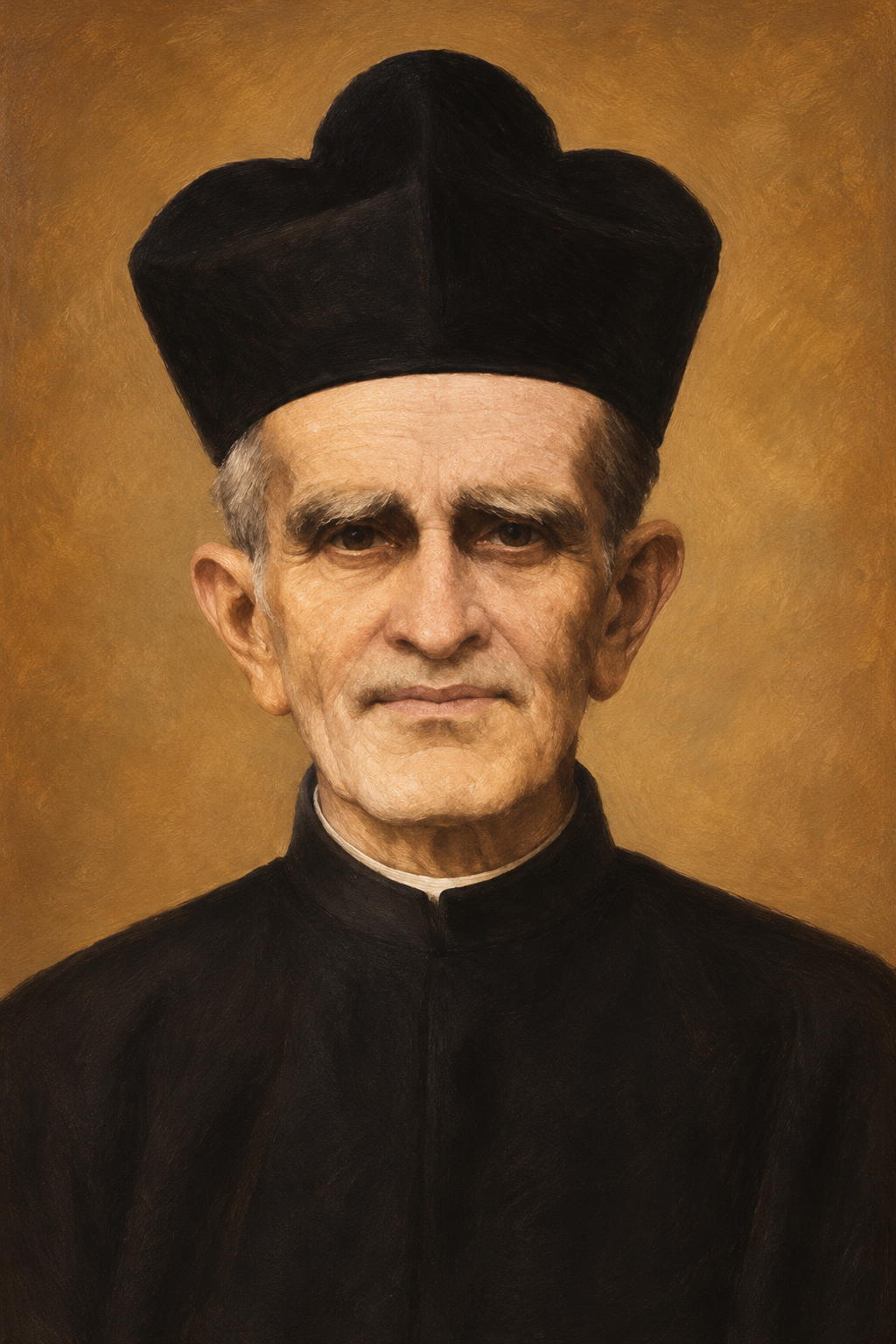
About Mariano de Jesús Euse Hoyos
Mariano de Jesús Euse Hoyos was a Colombian parish priest remembered particularly for his work among farming families. He was born at Yarumal, Antioquia, on October 14, 1845, the eldest child of Pedro Euse and Rosalía de Hoyos. His parents taught him at home, and his early life was spent among the people of the countryside. At sixteen, when he expressed a desire for priesthood, his uncle Fermín Hoyos took responsibility for his preparation. Mariano followed his uncle's parish work from Girardota to San Pedro. He entered the seminary at Medellín in 1869 and was ordained on July 14, 1872. His first assignment was to assist Fermín at San Pedro. Later postings took him to Yarumal and, in 1878, to Angostura. There he helped an elderly parish priest, Rudesindo Correa. One immediate problem was the unfinished parish church, whose construction had stalled for lack of funds and amid the uncertainty of civil war. Mariano helped bring that work to completion. He visited sick parishioners at any hour and encouraged family prayer, Sunday worship and the teaching of Christian doctrine.
When Correa died, Mariano became pastor. He remained associated with Angostura for the rest of his life. The circumstances were demanding: civil conflict threatened his safety, and on several occasions he had to go into hiding. His pastoral reputation rested on plain preaching, personal poverty and care for people in need. Farmers and children held a particular place in his ministry. He also built the chapel of the Virgin of Carmen, where he was first buried after his death in 1926. The later examination of his life led to recognition of heroic virtues in 1990. The Church subsequently approved a healing attributed to his intercession, preparing the way for beatification. That recognition concerned a diocesan priest whose public work had been carried out largely within one rural parish, rather than through the founding of a new religious institute or an international missionary organization. His remains were moved from the chapel to the parish church in July 1936.
A Colombian Senate report prepared after the beatification gives a detailed account of the memory preserved in Angostura. It emphasizes the priest's concern for the moral, educational, social and material difficulties of rural people. The report describes repeated visits to parishioners, especially those who were ill, and efforts to ensure that children received education, food and care. It also recalls his readiness to give away personal resources to people poorer than himself. The senator's purpose was to propose public honors, so these statements belong to a commemorative account of his legacy. The proposed measures centered on the parish church of Nuestra Señora de Chiquinquirá at Angostura. They included preservation of the building, a publication gathering his spiritual and material work, and a memorial plaque. The proposal shows how local devotion had become a matter of wider public remembrance. Its concern for a rural church also kept attention on the place where the priest's long ministry had taken shape. The report remembered him giving away clothing and inherited resources. It also recalled that those caring for him during his last illness had to obtain sheets and other necessities.
John Paul II beatified him in Rome on April 9, 2000, alongside four other servants of God. At the ceremony, the pope recalled almost fifty years of service in Angostura and the evangelization of children and adults, especially rural workers. He used the affectionate name by which the priest was widely known: Padre Marianito. The homily connected Marianito's charity, understanding, service and forgiveness with Colombia's continuing need for reconciliation. It also deliberately placed the date of the celebration beside the memory of April 9, 1948, the beginning of a period of violence in the country. The pope hoped that the Jubilee-year celebration would encourage a different future, grounded in peace, justice, human rights and fraternity. This was an appeal made through the newly beatified priest's example, rather than a claim that Marianito himself had witnessed events that occurred after his death.
The next day, John Paul II received the pilgrims who had come for the beatification. He described Marianito's faith through its practical commitment to other people and his closeness to the poor. In addressing the Colombian visitors, he presented the priest's memory as a gift of peace for the whole society. He linked that peace with respect for life and with human responsibility. His appeal included rejecting violence, combating poverty and hunger, and confronting unemployment, kidnapping, armed conflict and damage to the natural world. The address therefore drew a public meaning from a ministry exercised through parish visits, catechesis and assistance to families. It asked the pilgrims to understand spiritual devotion and social responsibility together. Catholics continue to honor Mariano as a blessed priest, remembering the rural pastor through the familiar name Padre Marianito and the community whose needs occupied so much of his life.
Wondering how to weigh the stories and sources? Learn how to read a saint biography.