Biography
Michele Fasoli
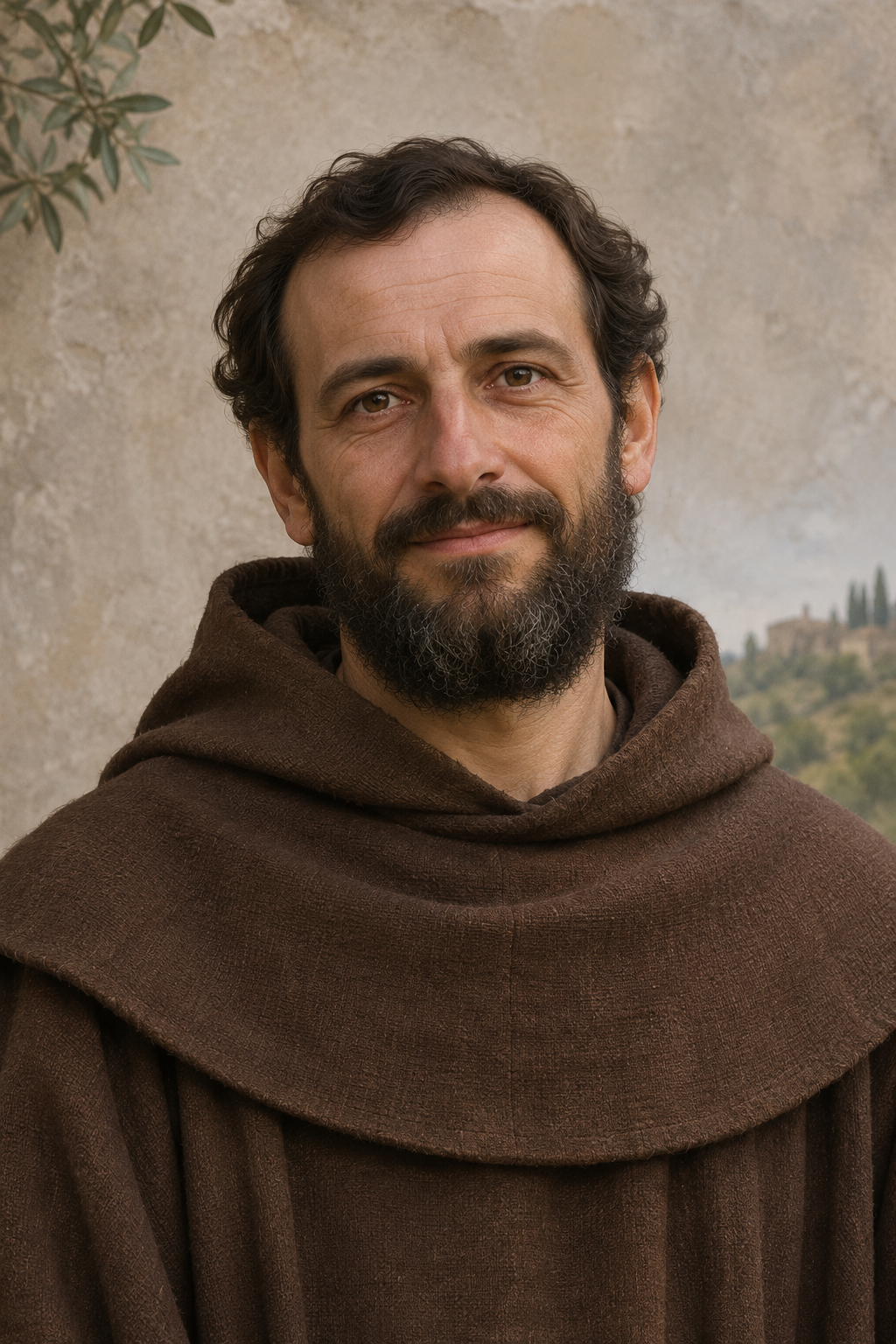
About Michele Fasoli
Michele Pio Fasoli came from Zerbo, near Pavia, in northern Italy. He became a Franciscan priest and was already in Egypt by 1704. His surviving biography is most closely documented through the journeys and shared mission that followed. Those years brought him through the Nile region and eventually to Ethiopia, where he died with Liberat Weiss and Samuele Marzorati.
As a newly ordained priest, he taught theology before asking to serve in Ethiopia. He belonged to the Franciscan province then known as Saint Didacus in Insubria. The choice of mission redirected a life that had already involved religious study and teaching toward travel and work far from his own province.
Accounts also connect him with mathematics, clockmaking and bell founding. These skills formed part of the practical preparation missionaries could bring to a community. He travelled with Weiss under the leadership of Joseph of Jerusalem. The expedition intended to reach Ethiopia through Egypt and the Sudanese kingdom of Sennar, but became trapped amid political disorder. Its plans were overtaken by the struggle to move, find food and survive.
Fasoli left a long account of the journey in a letter to Salvatore da Zerbo. Writing from Alifum in October 1706, he described leaving Cairo and reaching the Franciscan hospice at Akhmim. The party then joined a caravan and crossed desert country. His descriptions follow the route through places, delays and encounters with officials. They give direct evidence of the physical and administrative difficulties that a shorter account of the mission can only summarize.
The letter describes detention by a local governor and further movement under armed control. At Debba, the friars’ hardships increased as rebellion spread. They slept outside and were forced to travel onward with soldiers. Fasoli reported severe heat, little opportunity to eat and short periods of rest. The group eventually escaped from the army and reached Alifum. This was an account written during the failed expedition, well before its eventual retreat and the later journey to Ethiopia.
His account also records the need to obtain permission from local authorities before travelling onward. The caravan’s progress depended on governors and armed groups whose decisions the friars could not control. Even after reaching the Nile again, their passage remained insecure.
Members of the expedition died during the years in Sennar. After Joseph’s death, the surviving friars were eventually sent back to Egypt without their possessions. Fasoli and Weiss returned to Cairo. The effort had ended without reaching its intended destination, but both prepared to try again.
In 1711 they were joined by Marzorati, whose earlier work had taken him toward Socotra. Weiss was appointed apostolic prefect, and the three set out by the Red Sea route. They arrived at Gondar in 1712 and received a welcome from the ruler. This time they had reached Ethiopia, but their freedom to work remained restricted. The initial reception did not amount to secure acceptance of their religious mission.
Fasoli signed the missionaries’ joint letter from Gondar in May 1714, identifying himself as theologian and apostolic missionary. The letter appealed for money, supplies and dependable communication. It described the difficulty of maintaining the foundation and asked for arrangements that would make continued work possible. His signature places him within that collective effort to sustain the mission after arrival.
An early report of the final crisis remembers the ruler valuing the friars’ knowledge and practical abilities. It also records Fasoli encouraging a Greek prisoner after the missionaries had been condemned. The report was transmitted through travellers who had left Gondar, and preserves these details within a partisan Catholic account. They offer a glimpse of his work and concern for another person without supplying a complete private portrait.
The earliest reports travelled through other missionaries after news reached Mocha. Fasoli’s remembered witness was thus transmitted by people trying to understand a catastrophe that had also closed the mission’s immediate future.
After a change of ruler, the three were recalled, judged and condemned. They were killed by stoning at Abbo, near Gondar, on 3 March 1716. Their deaths ended the small mission. The Catholic Church later investigated their cause and recognized them as martyrs. Fasoli’s final story is inseparable from those of Weiss and Marzorati, but his travel letter preserves a particular voice from the earlier years of difficulty.
The location of the graves remained part of their later remembrance. The scholarly encyclopedia’s account places the deaths outside Gondar, at Mount Abo, and records the continued identification of tombs in the vicinity. This geographical memory accompanies the written reports, which preserve their names and explain how the mission ended.
John Paul II beatified them at Rome on 20 November 1988. In the homily he recalled both their devotion and the serious misunderstandings that had divided Catholics and the Ethiopian Church. He called for renewed Christian fraternity. The Church’s remembrance of Fasoli therefore includes fidelity to faith and a hope for reconciliation among Christians after a painful history.
Wondering how to weigh the stories and sources? Learn how to read a saint biography.