Biography
Pamin of Egypt
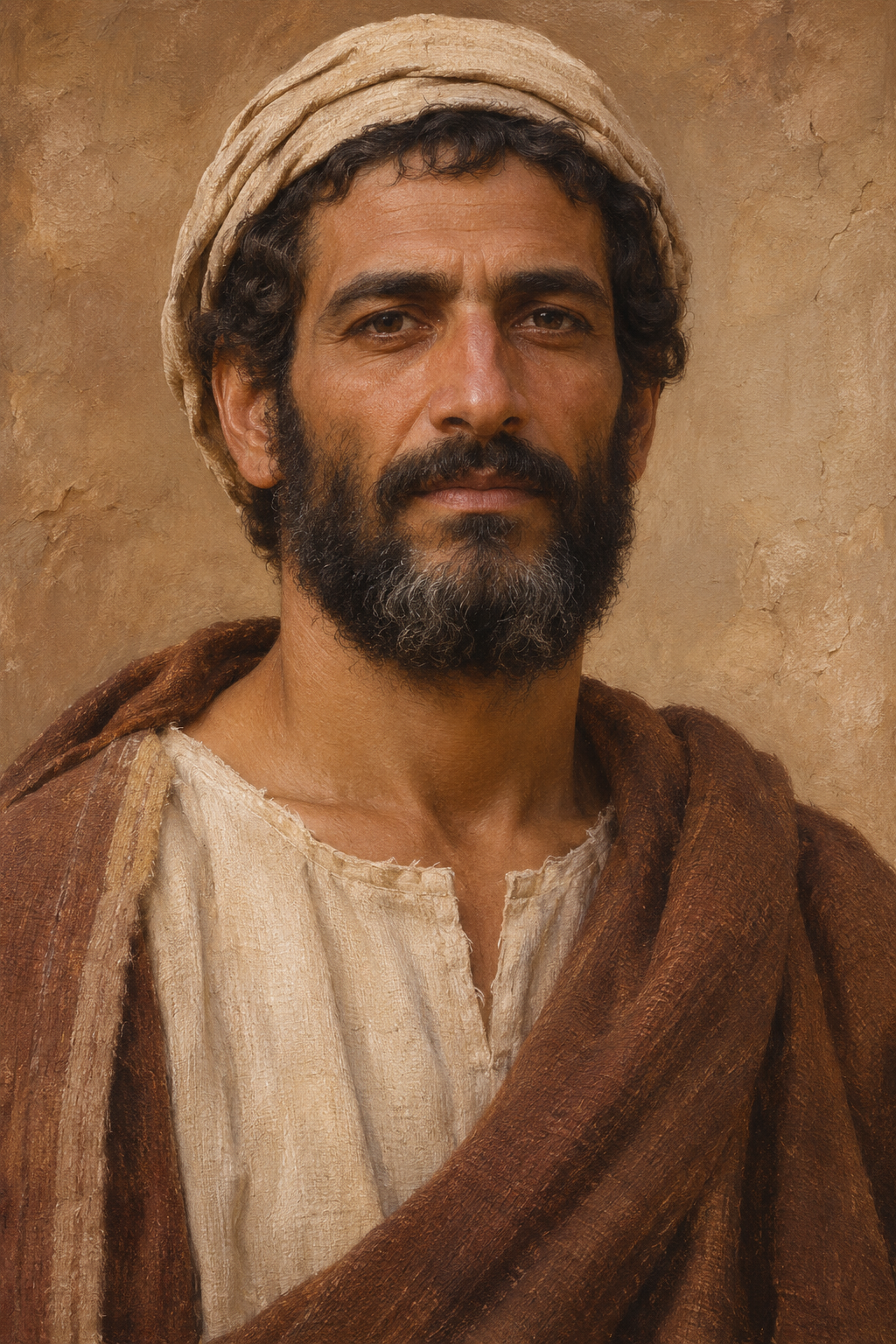
About Pamin of Egypt
Pamin, also known as Bimin, is remembered as an Egyptian anchorite. The Coptic Encyclopedia notes that the sources disagree about his home: some identify Minyat Khasib near Tirsa in the al-Ashmunayn district, while Coptic fragments and the Arabic version name Ibsunah west of Akhmim. The sources preserve both place names and do not resolve the discrepancy. The sources say Pamin served a noble before leaving that household to become a monk.
The Coptic fragments describe Pamin seeking martyrdom at Antinoopolis. He saw Christians being tortured and confessing Christ, then underwent torments himself. An imperial order later released those held in prison. The Synaxarion version links the release to Constantine, who is said to have been instructed in a vision to call the prisoners confessors. The narrative’s imperial vision is traditional; it does not provide an independently verifiable record of Pamin’s imprisonment.
After his release, Pamin withdrew to a monastery outside al-Ashmunayn. The sources attribute healing powers to him, particularly a cure of the wife of a Roman prefect. He refused her gifts except for church vessels: a paten, chalice, and a gold cross. The story presents his refusal as a test of personal poverty and a willingness to accept only what served the church. The healing remains part of the received account.
The Coptic Encyclopedia notes a dispute in the tradition over whether Pamin opposed Arians or Melitians. The Coptic fragments name Melitians, while the Synaxarion speaks of Arians and their “pseudo-martyrs.” The article explains that the two groups were sometimes conflated in later accounts, though they were not the same movement. Pamin’s story says he drove these opponents away. The account preserves competing Arian and Melitian identifications, which later sources sometimes conflated.
Pamin’s tomb became a site of veneration and healing. Inscriptions and monastic typika show that his memory extended beyond the short Life, and he was honored at the White Monastery. The sources include Coptic fragments, an Arabic Life, and an Upper Egyptian Synaxarion summary. They do not supply a secure chronology or resolve his birthplace. Pamin is remembered through a sequence of service, monastic retreat, the traditional account of his imprisonment, and a continuing local cult.
Wondering how to weigh the stories and sources? Learn how to read a saint biography.