Biography
Philo
About Philo
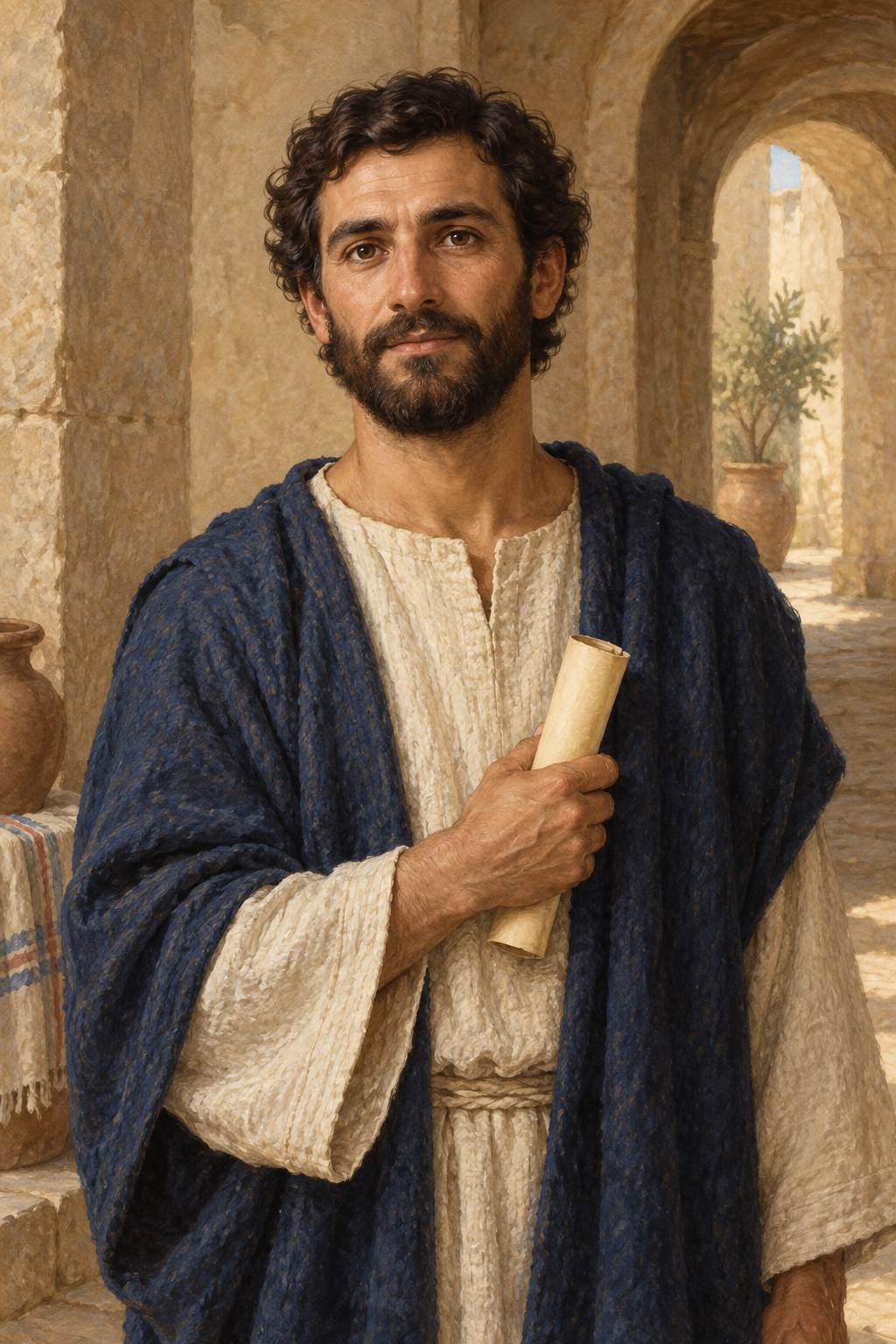
Philo emerges from one of the earliest surviving Christian letter collections. Ignatius of Antioch, writing to the church at Philadelphia in Asia Minor, calls him a deacon from Cilicia and says that he was helping in the ministry of the word. He names Rheus Agathopus alongside him, a follower who had come from Syria. This is unusually direct evidence for a saint remembered by name in later calendars: the person, his role, and his association with Ignatius do not depend only on a centuries-later legend. Yet the letter is brief. It does not name Philo's home city within Cilicia, his parents, his age, or the length of his service. “From Cilicia” should therefore stay a regional description, rather than being silently narrowed to Antioch or Tarsus.Ignatius mentions the pair again in his letter to the Smyrnaeans. He thanks that community for receiving Philo and Rheus Agathopus, speaking of their service as an occasion for gratitude. The two references place them within the network of churches and messengers around Ignatius during his journey. They do not show that Philo set out from Antioch with him, remained at every stop, or saw the end of his life in Rome. Those would be extra steps beyond what the letters say. The available evidence makes Philo more than a bare calendar name, while leaving most details of his travels unknown. His deacon's work appears in the letters as ministry and companionship, not as a complete itinerary or a record of church office in one fixed city.The older Roman martyrology commemorates Philo and Agathopodes together at Antioch on April 25 and calls both deacons. This later cult record explains why Philo has a place in a saints catalog. Its wording identifies the location of the commemoration, however, and does not prove that Philo was born there or served there as a deacon. The earlier letter is clearer about his origin: Cilicia. The Acta Sanctorum commentary already noticed the tension and distinguished Philo's Cilician connection from Agathopodes's Syrian one. This profile follows the early letter for Philo's known regional origin and the calendar for his feast. Neither source gives a defensible exact birth or death date, so both structured life-date fields remain empty.Later texts added a fuller story around Ignatius and his companions. An account of Ignatius's martyrdom has been attributed to Philo and Agathopodes, and some later letters place Philo specifically in the church of Tarsus. Critical treatments warn that the Tarsus claim comes from a forged letter attributed to Ignatius. The Acta editors also dismiss Spanish pseudo-chronicle details about Agathopodes and admit no basis for an alleged drowning of the two deacons. These additions should not be folded into Philo's biography merely because they supply attractive scenes or an apparent end to the story. The reviewed early letters never say whether Philo died as a martyr. The Acta calls the pair martyrs as part of their received cult, a meaningful traditional title but not an eyewitness account of their deaths.Philo's record can honor the memory preserved by both kinds of source. The letters give a deacon, a Cilician regional connection, and a small but clear contribution to Ignatius's mission; the martyrology gives a later April 25 commemoration with Agathopodes. The difference between these witnesses matters. It lets readers recognize an early Christian worker without treating a later calendar entry as a modern birth certificate, or a later passion as a contemporary death report. His ministry appears through the gratitude of communities that received him. That is enough for a grounded public profile, even though his individual life cannot be reconstructed from childhood to death. The portrait is accordingly an imaginative image of an ancient deacon with a rolled papyrus, not a claimed likeness or a depiction of any documented letter he carried.
Wondering how to weigh the stories and sources? Learn how to read a saint biography.