Biography
Pius X
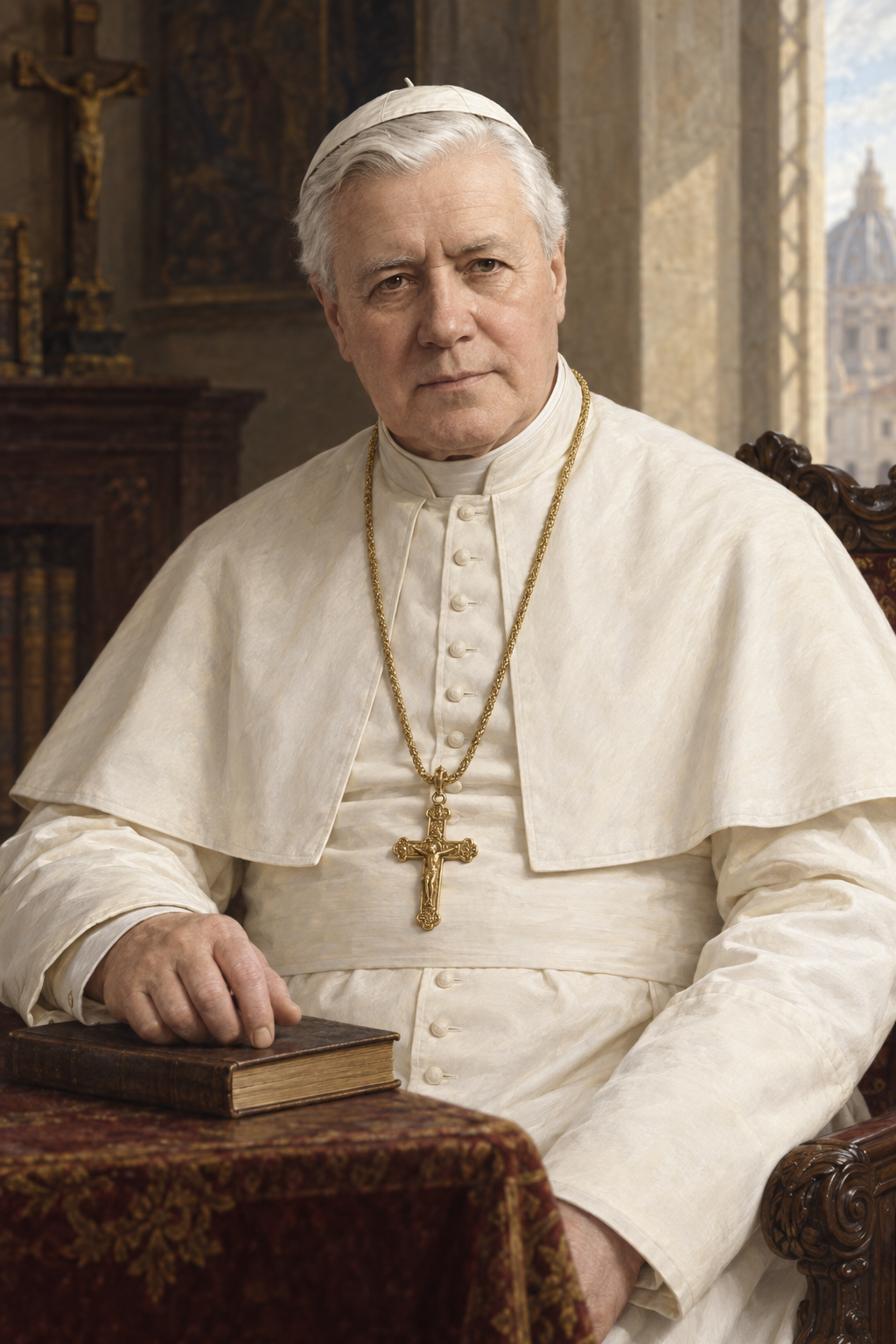
About Pius X
Giuseppe Melchiorre Sarto, the future Pius X, was born at Riese in the province of Treviso on 2 June 1835. His parents, Giovanni Battista Sarto and Margherita Sanson, raised a large family in modest circumstances connected to the life of their rural community. Modern scholarship cautions against later portrayals of destitution while still recognizing the family's limited means and the sacrifices behind his education. After studies at Castelfranco Veneto, he entered the seminary at Padua and was ordained a priest on 18 September 1858. These beginnings placed him in the ordinary parish structures of the Veneto rather than in a courtly or academic career.
Sarto served first as a curate at Tombolo and then as archpriest of Salzano before becoming a canon, chancellor, and spiritual director at Treviso. His parish work joined preaching and catechesis to visits among the poor and practical concern for education. At Salzano he organized evening instruction and personally assisted the sick during the cholera outbreak of 1873. Those years help explain the accessible pastoral manner for which later church accounts remember him, though they do not settle every later policy question. He was consecrated bishop of Mantua in 1884 and became patriarch of Venice in 1893, bringing long parish and diocesan experience to senior leadership.
The conclave elected Sarto pope on 4 August 1903, and he took the name Pius X. His first encyclical presented the pontificate's purpose as restoring all things in Christ, a program centered on Christian formation rather than a single administrative measure. The program combined direct pastoral priorities with a strong understanding of papal authority and the church's responsibility to teach. Accounts of his audiences and daily conduct emphasize personal simplicity and a readiness to meet people beyond the formal habits of the papal court. His reputation as a pastor therefore grew together with, not apart from, an energetic program of centralized reform.
Pius reorganized the Roman Curia, promoted clearer seminary formation, and began the codification of Latin canon law. The code was completed and promulgated under Benedict XV after Pius's death, so it is more accurate to call him its initiator than its final author. He encouraged systematic catechesis and approved a catechism intended to make basic doctrine easier to teach across Italian dioceses. On 7 May 1909 he founded the Pontifical Biblical Institute to support advanced study of Scripture in the church. Taken together, these initiatives show a pontificate concerned with institutions, clergy formation, and the religious instruction of lay people.
Liturgical participation was another central concern of the pontificate. The 1903 instruction Tra le sollecitudini sought sacred music fitted to worship and gave particular place to Gregorian chant and classical polyphony. Pius also encouraged frequent Communion as a regular part of Catholic life rather than an exceptional practice. The 1910 decree Quam singulari reaffirmed that children should receive first Communion after reaching the age of reason, commonly around seven. These reforms made sacramental access and congregational worship defining features of his later devotional memory.
Pius X also confronted theological and historical approaches that church authorities grouped under the name Modernism. The 1907 encyclical Pascendi condemned Modernism as a connected system and was followed by broader disciplinary controls, including the anti-modernist oath of 1910. Pius understood these measures as a defense of revealed faith and church authority against ideas he believed would dissolve them. A modern scholarly biography also records surveillance, denunciations, and disciplinary actions that injured some loyal Catholic scholars and clergy. It connects parts of that campaign to the Sodalitium Pianum network and reports that Pius knew of its methods. Historical honesty therefore requires both the pope's stated doctrinal purpose and the human consequences of the mechanisms used in its defense.
The pontificate unfolded amid sharp disputes between church and state, social unrest, and growing international rivalry. Pius's responses were not uniform: pastoral concern for workers and local Catholic action existed alongside firm interventions against movements he judged doctrinally or politically dangerous. When Europe entered war in the summer of 1914, he issued an appeal on 2 August asking rulers to spare their peoples further bloodshed. He died in Rome on 20 August 1914 after a brief illness. The reviewed evidence supports the appeal, illness, and date of death, but not the later devotional claim that grief over the war itself medically caused his death.
The formal cause for Pius X was introduced in 1943, nearly three decades after his death. He was beatified in 1951 and canonized by Pius XII on 29 May 1954. The current United States calendar observes Saint Pius X, Pope, as a memorial on August 21. His enduring legacy includes parish-minded pastoral care, institutional reform, catechesis, and wider access to Communion. It also includes a contested anti-modernist campaign whose aims and effects should be studied without either erasing its victims or reducing the whole pontificate to that conflict.
Wondering how to weigh the stories and sources? Learn how to read a saint biography.