Biography
Proculus of Pozzuoli
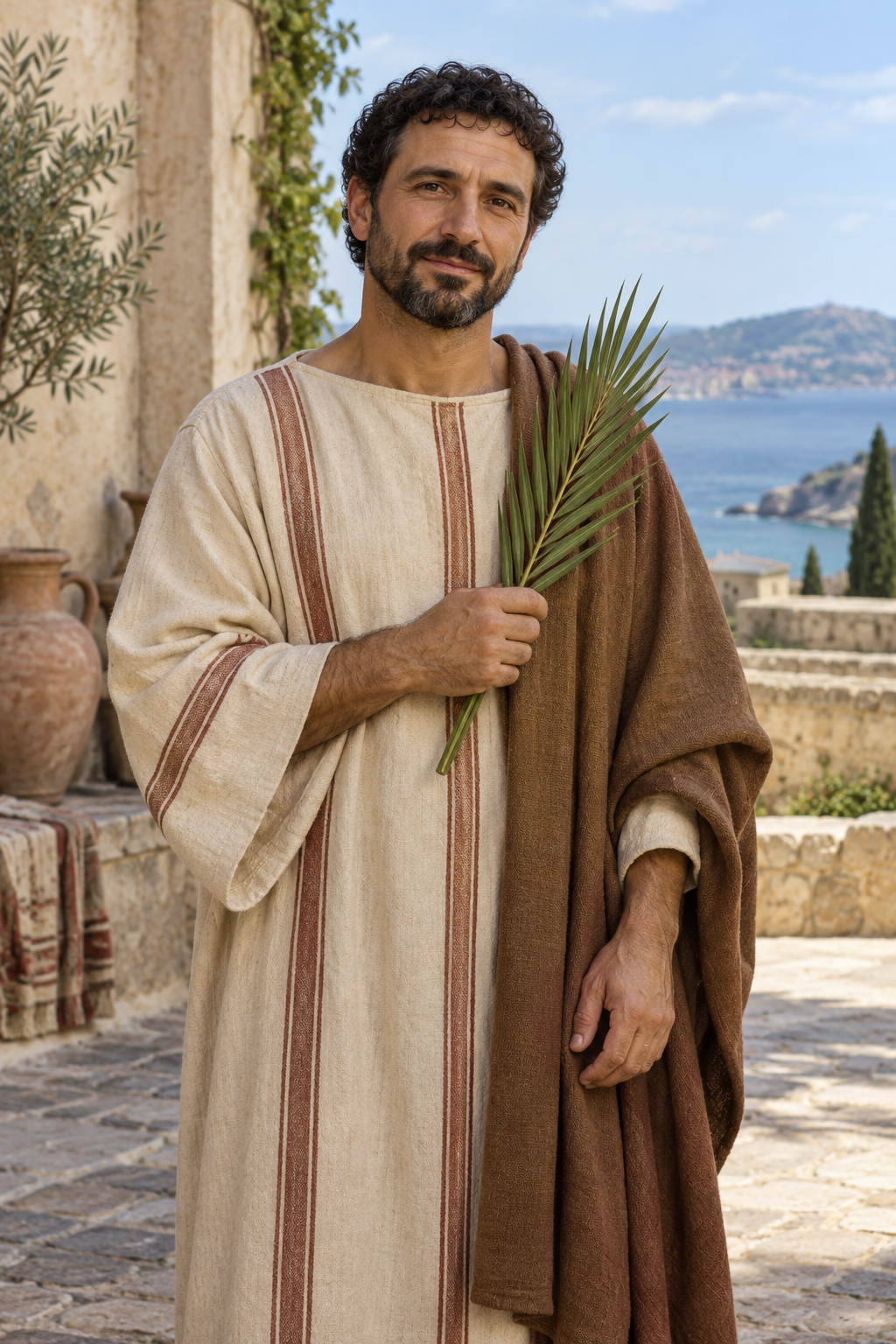
About Proculus of Pozzuoli
Proculus is remembered as a deacon and martyr of Pozzuoli. The diocesan account follows the later Acts of Januarius: Proculus, Eutychius and Acutius defended condemned Christians and were themselves arrested and beheaded near the Solfatara in 305. This is a received martyrdom tradition, not a contemporary account.
The calendar preserves a distinction within the larger group of martyrs. Antonio Borrelli notes that Januarius is commemorated on September 19, while Proculus, Eutychius and Acutius are remembered on October 18. He suggests that separate martyrdoms may underlie the combined story. The differing observances counsel care about presenting all seven deaths as one securely documented event.
At Pozzuoli, the local feast moved to November 16 under a decree of 1718, because agricultural work kept many residents occupied in October. The diocesan account also records a May procession commemorating the return of relics in 1781.
His cathedral gives the city’s remembrance a durable setting. The municipal heritage account describes a Roman temple incorporated into the Christian building and identifies Proculus as its patron. In the seventeenth century, Bishop Martín de León y Cárdenas enlarged and transformed the church, covering older structures with Baroque additions. A silver reliquary bust of Proculus dates from 1731. These later objects and alterations belong to the history of his cult, not to the period in which he is traditionally said to have lived.
John Paul II recalled Proculus during his visit to Pozzuoli in November 1990. He named him among the deacons honored with the region’s early martyrs and presented their memory as part of the local church’s inherited faith. The same homily acknowledged contemporary difficulties caused by earthquake damage and ground movement, including the loss of usable churches and the dispersal of families. Within that setting, remembrance of the martyrs formed part of an appeal to sustain a community facing disruption.
Wondering how to weigh the stories and sources? Learn how to read a saint biography.