Biography
Romanus of Caesarea
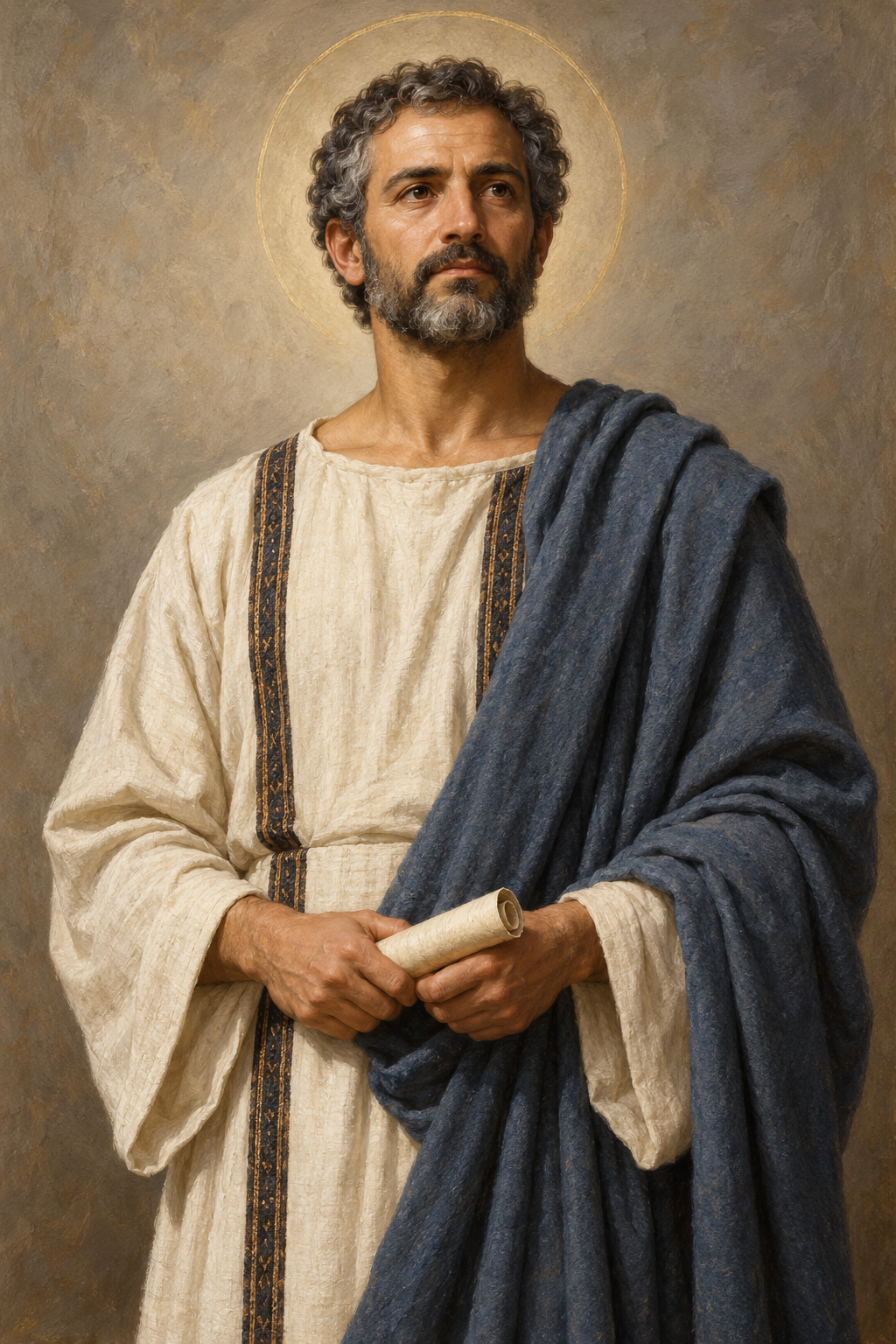
About Romanus of Caesarea
Romanus served the church at Caesarea in Palestine as a deacon and exorcist. He was in Antioch when persecution disrupted Christian worship. Eusebius records that he saw people offering sacrifices to the gods and publicly rebuked them. That intervention brought his arrest. His early life and the place of his birth within Palestine are not established by this account.
According to Eusebius, Romanus was initially condemned to burning, but the punishment changed before the fire was lit. His tongue was cut out, and he remained imprisoned for a considerable time. When other prisoners were being released in connection with an imperial anniversary, Romanus instead died by strangulation. Eusebius included him among Palestine’s martyrs because of his origins, although his death occurred elsewhere.
The chronology is not equally precise in every source. The Catholic Encyclopedia places his death in 303 or 304, during the opening years of the Diocletianic persecution. It also distinguishes this deacon from other saints called Romanus, including the Roman martyr associated with Lawrence. Their names should not make their stories interchangeable.
The story grew as it was retold. Thomas Tsartsidis’s study compares the short Greek account of Eusebius with the Syriac version of his longer work. The Greek account does not mention Romanus speaking after losing his tongue; the Syriac text does. Other early authors and later martyr narratives added further details, including rain extinguishing the fire and a physician being questioned about the punishment. These are traditions about miraculous endurance, not independently verified medical events.
A child martyr also entered the narrative. Tsartsidis traces this episode through a sermon attributed to John Chrysostom but generally considered inauthentic, and through Greek and Latin accounts of the martyrdom. Some Latin versions call the child Barulas, while others give a different name or none. The development of these texts makes it difficult to recover a separate biography for the child from Romanus’s story.
Prudentius made Romanus the subject of a long Latin poem. Its opening asks the saint to help the poet find words worthy of his subject. The prayer draws on the tradition that Romanus continued to speak after his tongue was removed. Speech is therefore both the means of telling the martyr’s story and a central sign of his witness within the poem.
Romanus remains commemorated on November 18 in the Orthodox Church in America’s calendar. Its devotional account preserves the traditions of the extinguished fire and continued speech, showing how those episodes became part of the saint’s liturgical remembrance.
A more recent chapter of his devotion belongs to Lebanese immigrants in St. Louis. The history of Saint Raymond Maronite Cathedral identifies its patron as Mar Romanus, the martyred deacon of Antioch. Immigrants from Hadchit chose the dedication in memory of their parish at home, purchasing a building for worship in 1911. The same history describes families seeking the saint’s intercession during illness, collecting gifts for the church and asking neighbors to pray. This records a local religious practice, not a claim of proven cures.
Wondering how to weigh the stories and sources? Learn how to read a saint biography.