Biography
Sara of Upper Egypt
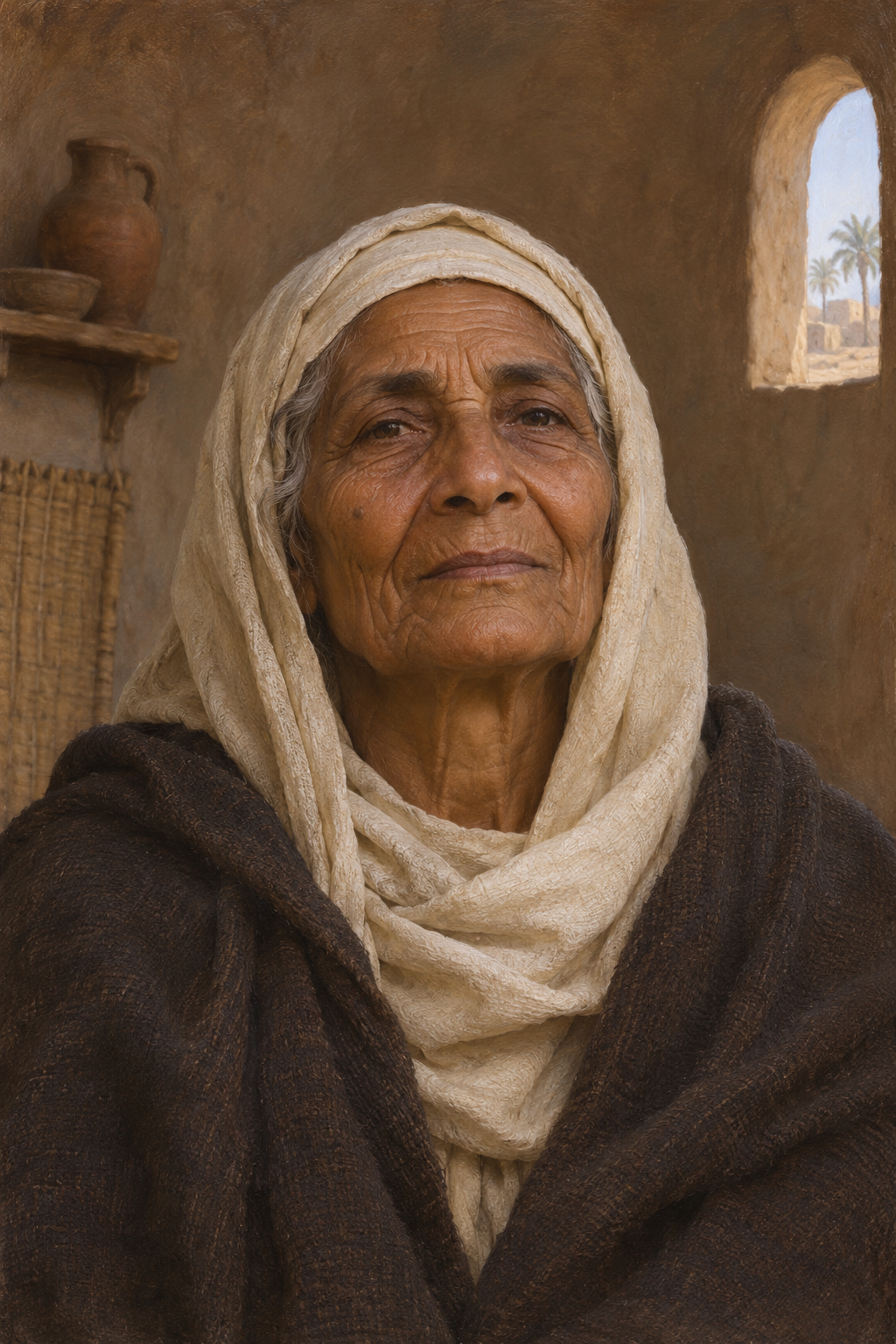
About Sara of Upper Egypt
Sara was an Egyptian ascetic whom other monks sought out for advice. The Coptic synaxarion places her childhood in Upper Egypt, in a prosperous Christian household. It says that she spent fifteen years in a community of women before withdrawing to live on her own. Neither the name of that first house nor a secure date for her move has come down with the account. The later stories remember the place she chose for herself, a cell overlooking the valley of the Nile.
From her terrace Sara could have looked down at the river. According to one of the sayings, she lived beside it for sixty years without doing so. The story makes a claim about how she directed her attention. Another saying recalls an ordinary movement, putting her foot on the ladder to climb. Even there, the collection says, she thought of her own death. These glimpses of the river and the ladder have survived where the sequence of her days has not.
Two stories describe her experience of temptation in the language of combat with an evil spirit. In the first, the struggle lasts thirteen years. Sara prays for the strength to endure it. In the second she climbs onto her roof to pray, and the tempter appears and acknowledges defeat. In the telling, she refuses to claim a victory of her own and attributes it to Christ. The stories gave later monastic readers a way of speaking about persistent temptation and the limits of personal willpower.
Her solitude did not keep visitors away. One story brings two experienced hermits from the region of Pelusium to her cell. They have agreed on the way there to put her in her place. They warn her against taking pride in the fact that men have come so far to see a woman. Sara answers them as one ascetic speaking to others, refusing the implication that her sex makes her practice of less account. Another saying takes up the cost of living by other people’s judgments. If she set out to please everyone, she says, she would be forever bowing down at one door after another.
Sara could also be patient about the mixed reasons people had for doing good. Someone might begin giving alms because others were watching, she taught, and in time learn to give for God’s sake. The final story in the collection brings monks from Scetis to her home. When she puts a basket before them, they choose the spoiled food and leave the good portions. Sara recognizes them by that small choice. Here she is the host, judging for herself what the conduct of the visiting monks reveals.
The synaxarion remembers Sara’s death at eighty and commemorates her on 15 Baramhat. There is no secure year for her birth or death. What survives most distinctly is her voice in the eight sayings collected under her name. In one she refuses to be made small by two celebrated guests. In another she makes room for the imperfect generosity of an ordinary giver.
Wondering how to weigh the stories and sources? Learn how to read a saint biography.