Biography
Stanley Rother
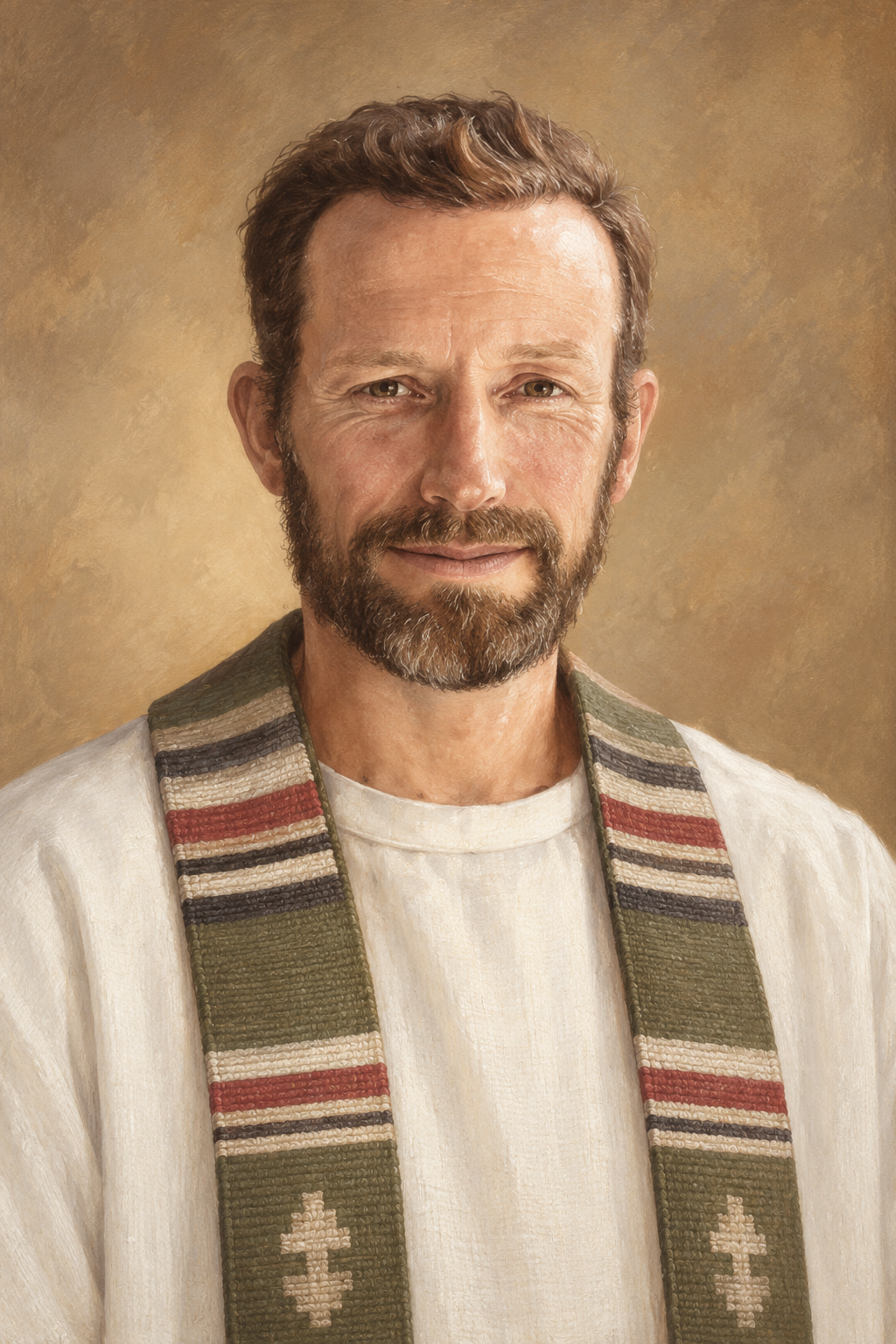
About Stanley Rother
Stanley Rother grew up in a farming family in Okarche, Oklahoma. His preparation for the priesthood was difficult, especially the study of Latin. He continued his formation at Mount Saint Mary’s Seminary in Maryland and was ordained in 1963.
The interruption in his studies had been serious. Patrick Gill’s account in the university’s magazine describes his dismissal from Assumption Seminary in Texas after academic failure and his return to Okarche. His pastor and bishop helped him seek another opportunity. Mount Saint Mary’s accepted him in 1959, and assistance from the rector and fellow seminarians helped him improve his work and pass his examinations. Gill cites a memorandum in which Rector George Mulcahy expressed confidence in Rother’s prospects as a parish priest.
His practical abilities also had a place in seminary life. In a later interview, Mount Saint Mary’s rector Andrew Baker recalled that Rother chaired the seminarians’ committee responsible for helping care for the Lourdes grotto grounds. Rother maintained his connection with the seminary after ordination, keeping in touch with its rector Harry Flynn and returning for visits.
His classmate Gordon Milsted later remembered the ordinary hopes of their graduating class: they were preparing to become parish priests, without knowing what lay ahead. Milsted kept an ordination card on which Rother had written a personal note thanking him for his friendship and inviting him to visit. The recollection, first published in 2017, preserves a small trace of the friendships formed during those years.
In June 1968 Rother joined the Oklahoma mission in Santiago Atitlán, Guatemala. Its priests, religious and lay specialists worked in worship, health, education and agriculture. The Guatemalan archdiocese’s human-rights office describes him spending long days driving a tractor on the cooperative farm before preparing for the Eucharist.
He learned Spanish and Tz’utujil, using the latter in worship and helping make the New Testament available in the local language. His experience on an Oklahoma farm also proved useful in agricultural projects.
His responsibilities extended to maintaining mission vehicles and overseeing a hospital. At the same time, he kept in touch with Oklahoma through letters, parish visits and newspaper columns. Katherine Mascari’s study of his remembrance emphasizes this continuing connection between the two communities: his commitment to Guatemala did not end his relationship with the church that had sent him.
His Christmas letter of 1980 described parish life before and during the growing crisis. During Lent, the parish had paused baptisms to give catechists intensive preparation in the sacrament and the responsibilities of parents and godparents. Preparation for families was then organized by areas of the town. He thanked visiting helpers for maintenance, painting, work on baptism records and organizing altar linens. Plans for a parish hall remained uncertain despite purchased materials and promised funding; his letter did not disguise how the situation was disrupting ordinary work.
The same letter welcomed a community of Carmelite sisters whose work would include catechesis, literacy and care for the sick. It also reported the disappearance of ten men, including the radio station’s director, and described the families left behind. Rother said that neither he nor the sisters had yet received direct threats, while explaining why he intended to stay despite the danger. He asked supporters to pray that their presence would strengthen the people they served.
Violence increasingly threatened the people among whom he worked. His name appeared on a death list, and in 1981 he returned to Oklahoma for roughly three months.
During his time away in 1981, he returned to Mount Saint Mary’s for a week of retreat. Gill’s account describes conversations with Harry Flynn in which Rother weighed the danger of speaking out against his responsibility as a pastor. The article presents his decision to return as one reached through prayer and discernment. This was a return to a community he knew, after time spent considering the risks with someone he trusted.
He went back to Santiago Atitlán in time for Holy Week, despite warnings that he would be in danger.
On July 28, 1981, three masked men killed him in the parish rectory. The Dicastery for the Causes of Saints reports that the killers were never identified.
His parishioners wanted him to remain among them after death. Although his body was returned to Oklahoma, his heart remained in the church at Santiago Atitlán.
The Catholic Church beatified him in Oklahoma City on September 23, 2017. Cardinal Angelo Amato presided on behalf of Pope Francis.
His annual commemoration falls on July 28. The Archdiocese of Oklahoma City identifies celebrations in its own territory, Tulsa, Little Rock and parishes in Guatemala, including his former parish at Santiago Atitlán. These local observances preserve the connection between the communities in which he lived and served.
His memory continues to connect Oklahoma with the Tz’utujil community he served. Mascari’s research describes how that history shapes discussion of mission and belonging at his Oklahoma shrine.
Baker described another continuing expression of that memory at the seminary: men in its Rother House formation program helped maintain the same grotto grounds. The work connected their preparation for ministry with the practical service remembered from Rother’s student years.
Wondering how to weigh the stories and sources? Learn how to read a saint biography.