Biography
Theotonius of Coimbra
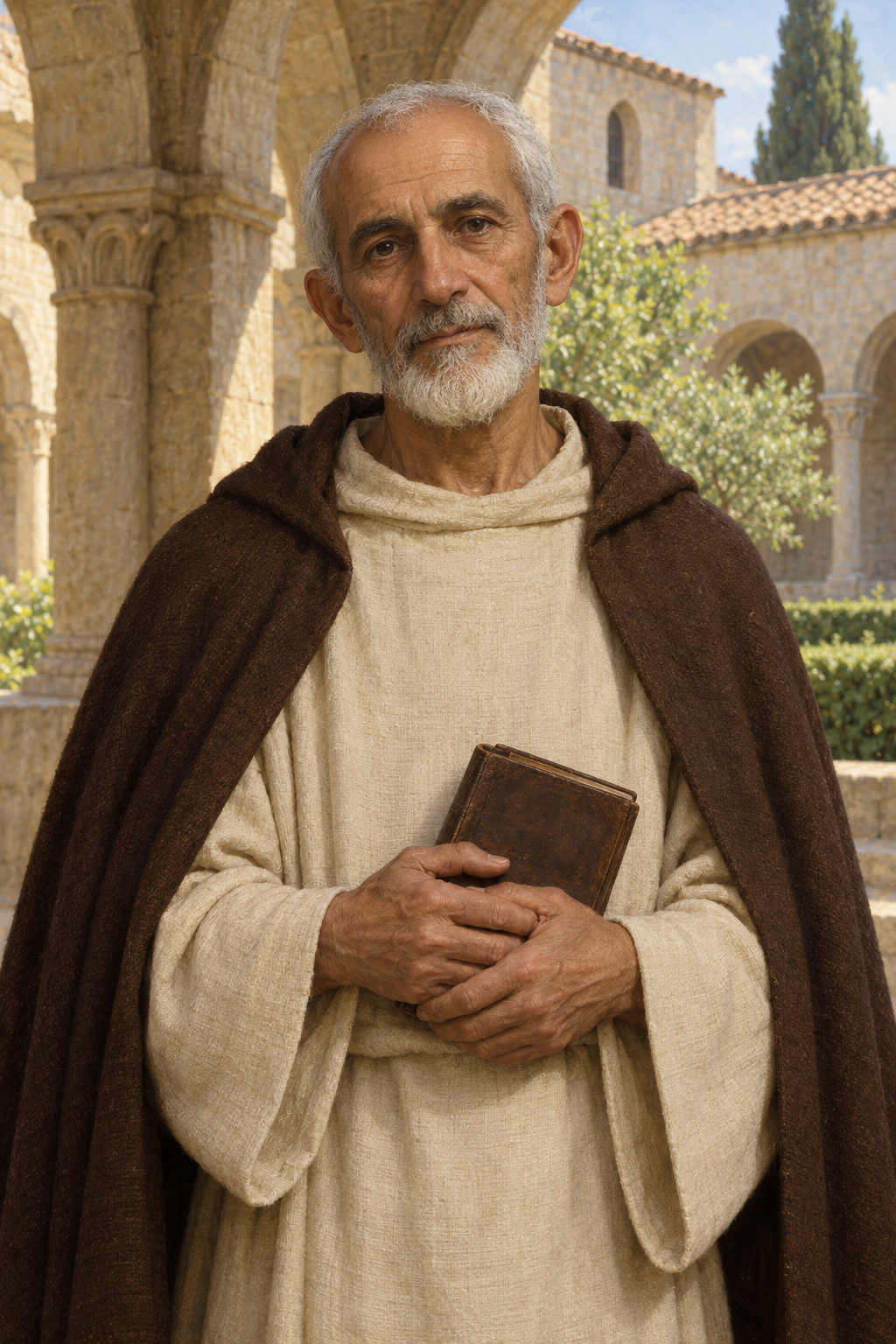
About Theotonius of Coimbra
Theotonius of Coimbra belonged to the generation that shaped religious life in the emerging kingdom of Portugal. He was born at Ganfei, in the municipality of Valença, probably around 1082. The Diocese of Viseu remembers his early education at Coimbra and his later formation for priesthood at Viseu. Around 1110 he became prior of Viseu’s cathedral community. His path brought together study, worship and responsibility for others before he became associated with the foundation of Santa Cruz at Coimbra.
His education unfolded within a changing Church. Historian José Marques places his lifetime in the wider movement of reform during the late eleventh and twelfth centuries. The issues included the restoration of dioceses, renewal of religious communities and the influence of secular rulers over church appointments. Marques recalls that Theotonius studied under Telo at Coimbra, where his uncle Crescónio was bishop. His later work in a community of canons belonged to this search for a more disciplined form of religious life.
The care of people in poverty was a regular part of that conduct. André Silva’s account describes Friday Masses for the dead at the church of Saint Michael in Viseu. Those who attended brought gifts, which Theotonius distributed to people in need. Worship and material help formed a repeated practice, rather than a single remembered act of generosity. Silva also notes the hospital of Saint Nicholas established during his later priorate at Santa Cruz. The community’s responsibilities extended to people who were poor or sick in the surrounding city. Silva also places his refusal of episcopal office within the effort to resist worldly ambition. He reads Theotonius’s acceptance of responsibilities as an act of obedience and service, rather than a search for rank. The distinction matters in a life that repeatedly combined reluctance to seek honors with willingness to undertake demanding work for others.
He made two pilgrimages to the Holy Land. The journeys expressed his desire for a life centered on prayer, but he ultimately accepted responsibility in Portugal. Marques’s biographical note recalls his return from pilgrimage and the invitation to join Telo and the other founders of Santa Cruz. Theotonius became its first prior. He later gave up the burden of active government in 1152 while continuing to live in the monastery. The change allowed a more contemplative life without severing his bond with the community.
The founding process occupied more than one year. Abel Estefânio’s study distinguishes the beginning of construction in 1131 from the start of canonical common life in 1132. The canons adopted the Rule of Saint Augustine. Later illness led Theotonius to share responsibility with his nephew João Teotónio. This helps explain documents that call either man prior during his last decade. Estefânio’s reading presents continuity and delegated care, rather than a simple disappearance from the monastery’s affairs.
The early Life gives a striking account of his relations with Afonso Henriques. It says that a royal expedition brought back Mozarabic Christians among its captives. These were Christians who had lived under Muslim rule. Learning that they were being enslaved, Theotonius went out to challenge the ruler and his soldiers. The biographer reports that they released the captives. Some who wished to remain at Coimbra received lodging near the monastery and support from its provisions over subsequent years. The account presents compassion as a claim on political power, including the power of a ruler who favored the community. Its concern is specifically these Christian captives; it does not describe a general abolition of slavery.
The disciple who wrote the Life openly mourns his teacher and explains that recording his memory offers consolation. That personal attachment gives the narrative warmth, while also making its purpose clear. It is a religious remembrance shaped by admiration, not a detached report of every episode.
Theotonius died at Coimbra on February 18, 1162. The chronology has required comparison of manuscripts and the tomb inscription. The traditional recognition of his sanctity in 1163 is accepted by Estefânio, who also notes that the information survives indirectly. This is a reason to distinguish the account of that ceremony from a surviving contemporary record of its proceedings.
Viseu honors him as patron of both the city and diocese. His later relic shrine connects the cathedral with the community at Coimbra. That patronage remembers his earlier service as well as his role in the new kingdom.
In a pastoral message for the 850th anniversary of his death, Bishop Ilídio Leandro returned to humility, prayer and care of the poor. He recalled the Friday distributions at Saint Michael and described authority through service rather than honors. This later reading keeps attention on the ordinary practices in Theotonius’s remembered life: listening, worshipping, sharing and helping people who sought him. His example remains connected with the communities he served, where spiritual discipline and practical charity were expected to belong together.
Wondering how to weigh the stories and sources? Learn how to read a saint biography.