Biography
Dodon of Wallers
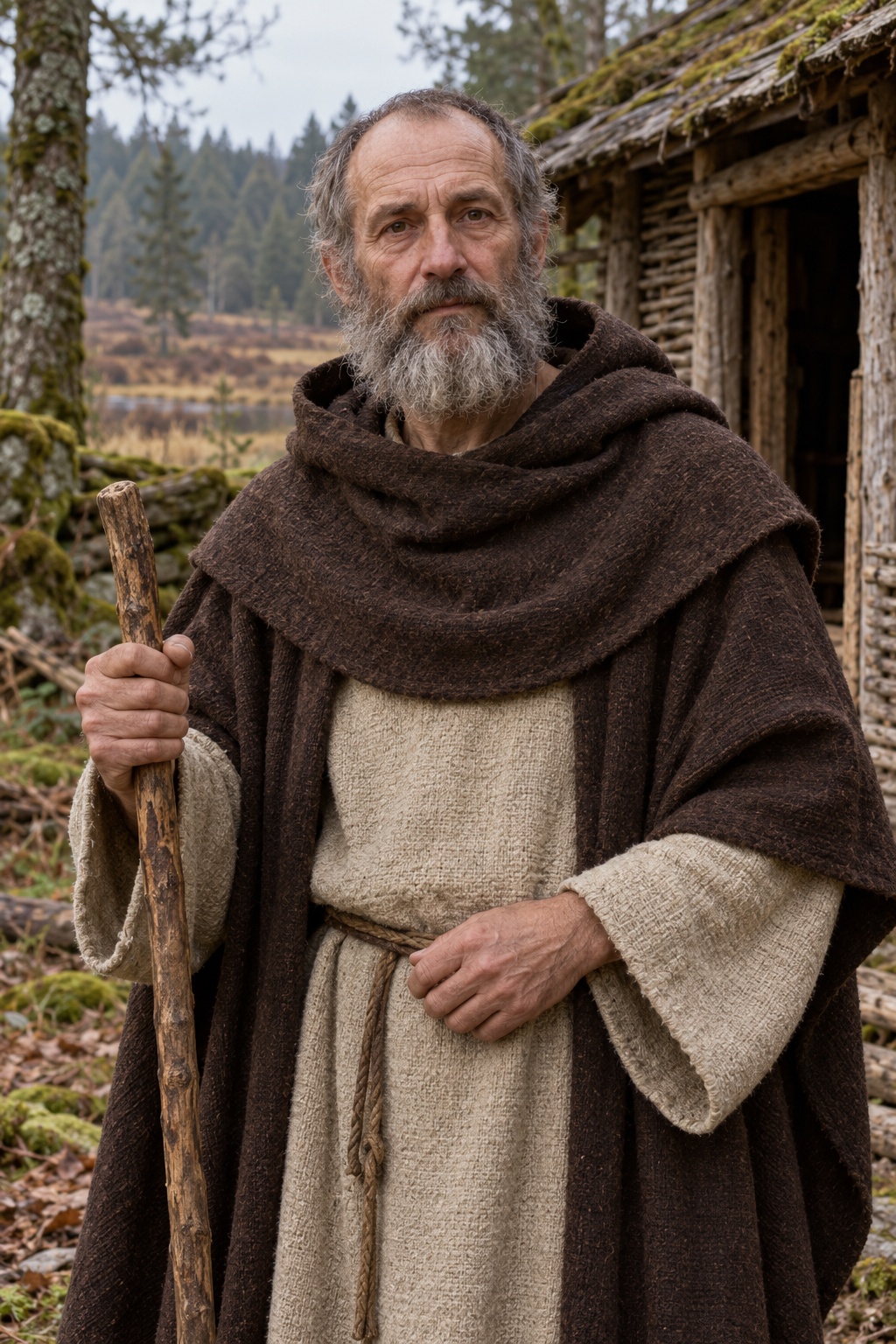
About Dodon of Wallers
Dodon is remembered as a monastic superior at Wallers who chose a solitary life nearby. His biography is difficult to recover: the surviving Life was composed late in the tenth century, drawing on the earlier account of Folcuin of Lobbes. It is not contemporary testimony. Historian Albert D’Haenens considers its accounts of the later handling of his relics more useful historically than its life narrative.
According to the Life, Dodon’s parents entrusted him to Ursmar of Lobbes for baptism and education. He studied Scripture and entered religious life. The author says he gave his inheritance to the monastery of Wallers, where Ursmar placed him in charge.
Another medieval source, the history of the bishops of Cambrai, instead credits Landelin with placing Dodon over the community. The accounts therefore preserve different traditions about his appointment.
The Life describes his preference for solitude over the crowds who came to see him. He had a cell built close to the monastery and devoted himself to prayer and fasting. The author attributes healings to his intercession and says he was eventually buried in that cell.
The same text relates how Bishop Dodilo authorized the removal of his remains to the nearby church of Peter. A later elevation took place with Bishop Fulbert’s authorization. It also describes the relics being carried through neighboring settlements to seek contributions for repairing the monastery. These passages show how the community connected his memory with its worship and material needs.
His name remains attached to the priory at Moustier-en-Fagne.
The Cambrai diocese reports that relics are preserved in its chapel and commemorates him on October 5 as an optional memorial.
Wondering how to weigh the stories and sources? Learn how to read a saint biography.