Biography
Arsenius the Great
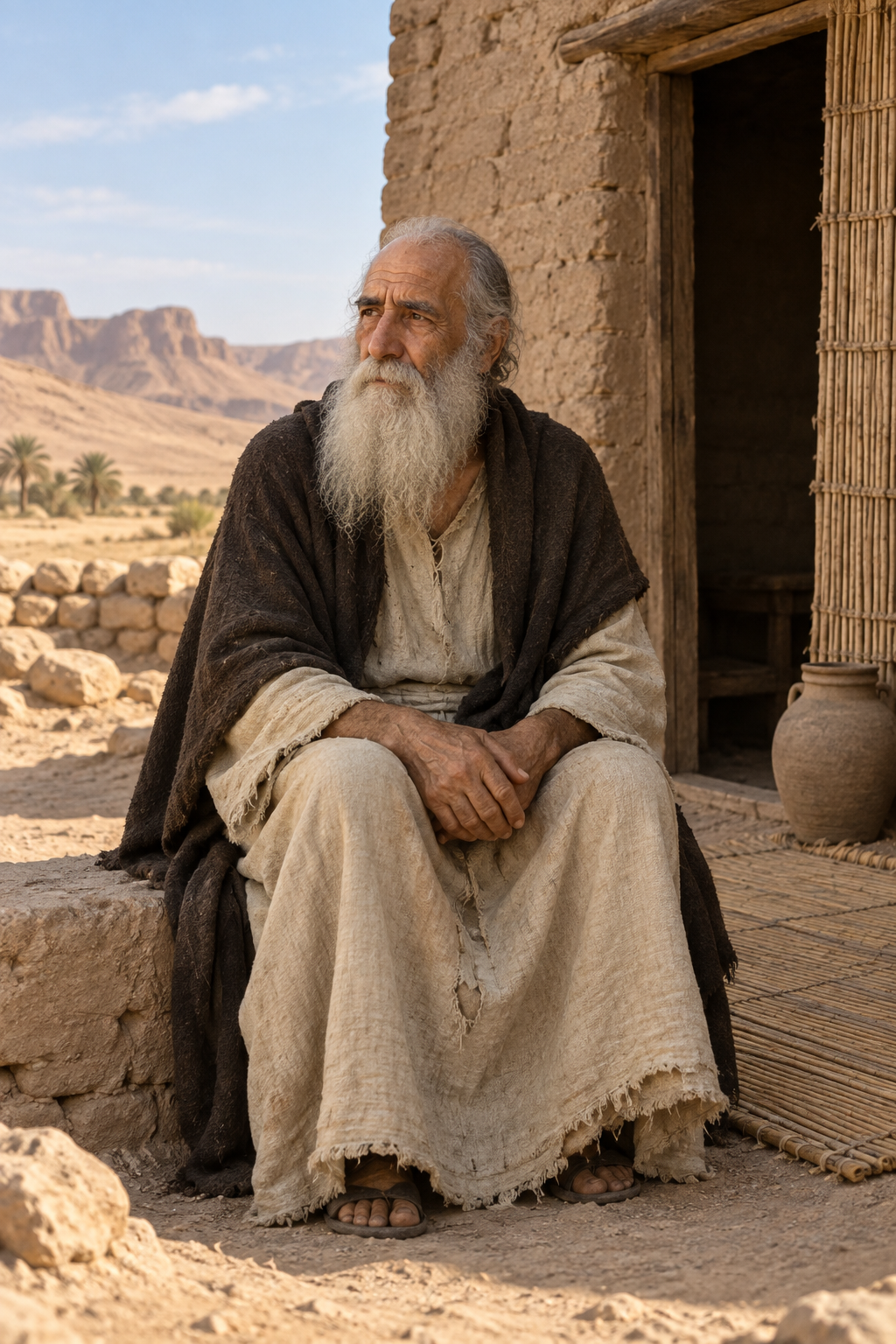
About Arsenius the Great
Blossom Stefaniw's critical account describes Arsenius as an unusually austere figure formed at Scetis and warns that his birth, death, exact travels, and individual deeds cannot be independently verified.The often repeated outline is therefore best presented as a traditional life: birth into an aristocratic Roman family around 354, service in Constantinople beginning in the 380s, arrival in Egypt in the 390s, formation at Scetis, later movement among Tura and Canopus, and death sometime between 445 and 450.The Orthodox Church in America preserves the received story of Arsenius as a Roman deacon and tutor to Arcadius and Honorius.It says he left the court for Egypt, where John the Dwarf received him at Scetis.Arsenius then lived in solitude.These episodes are traditional, not independently documented court or travel records.The alphabetical Sayings of the Desert Fathers offers a less continuous but more characteristic memory.Its episodes repeatedly place Arsenius at the edge of company: reluctant to receive distinguished visitors, careful about speech, working with his hands, praying, weeping, and asking elders for instruction despite his education.The collection does not invite a modern psychological portrait.Instead, brief encounters stage recurring questions about humility, attention, social rank, and the cost of solitude.Arsenius appears neither as a teacher delivering a system nor as a figure wholly cut off from others.He is remembered within a network of elders, disciples, guests, and communities whose claims on him made withdrawal an ongoing discipline.Those anecdotes require literary care.William Harmless dates the collected form of the large sayings corpus to the late fifth or early sixth century, after Arsenius's traditional lifetime.Nicholas Sims-Williams notes that such sayings and edifying stories circulated widely in Greek, Coptic, Latin, Syriac, and other languages.Their breadth of transmission helps explain Arsenius's lasting place in Christian memory, but it also prevents treating any surviving English wording as a transcript.The sayings witness to reception, teaching, and an admired ascetic ideal; they do not settle every chronological detail.Both Orthodox and Catholic calendars now identify May 8 with Arsenius.That living commemoration is more secure than the dates assigned to his life.A responsible account can therefore honor what the tradition consistently values—silence, humility, prayer, work, and freedom from status—without converting edifying narrative into verified late Roman biography.
Wondering how to weigh the stories and sources? Learn how to read a saint biography.