Biography
Jaime Hilario Barbal
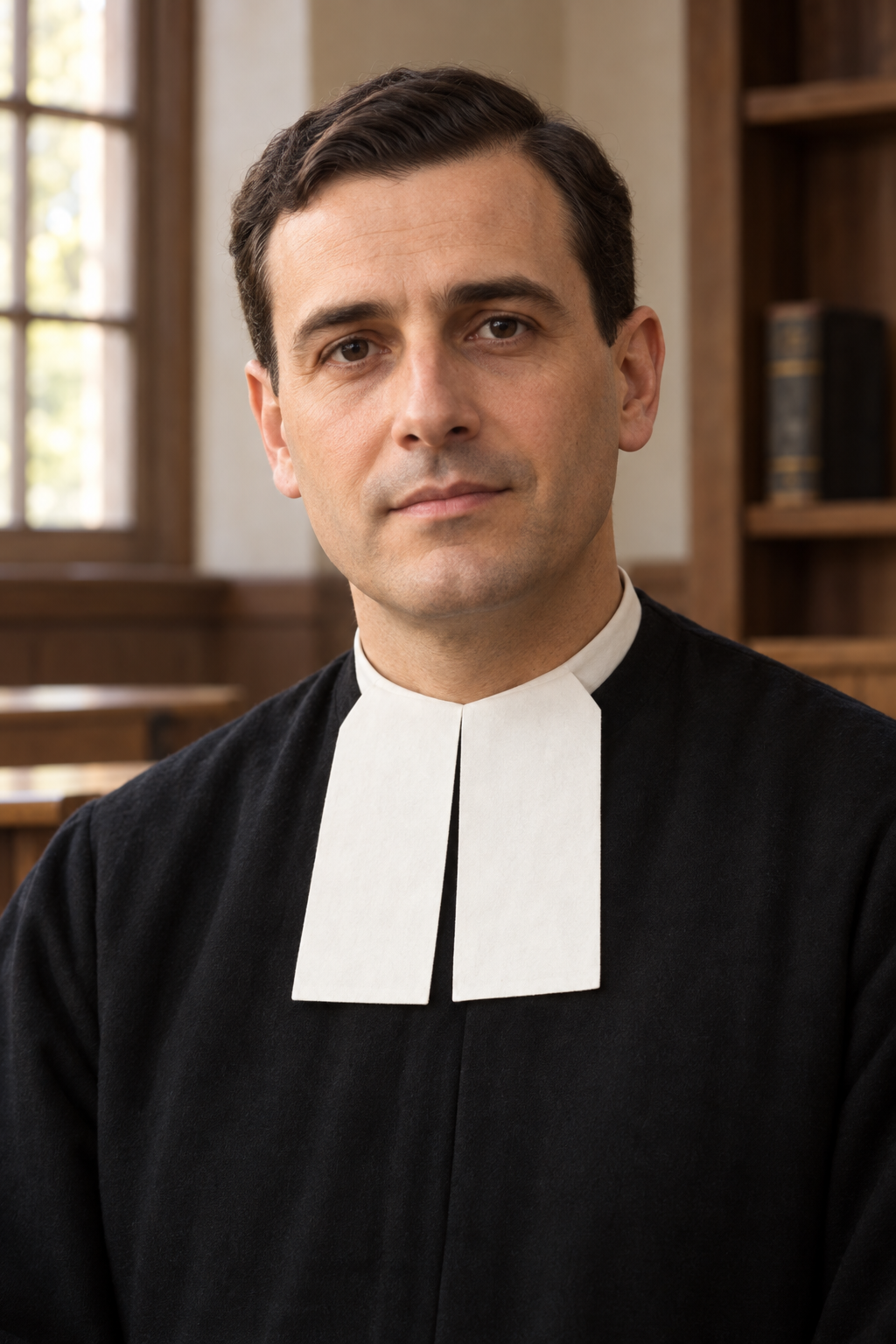
About Jaime Hilario Barbal
Jaime Hilario Barbal was a Brother of the Christian Schools whose teaching life was repeatedly reshaped by hearing loss. Born Manuel Barbal in Enviny on January 2, 1898, he grew up in a farming community and entered the seminary at La Seo de Urgel as a boy. An ear condition forced him to leave his studies for the priesthood.
He found a different form of religious life with the De La Salle Brothers. In 1917 he entered their novitiate at Irún and received the name Jaime Hilario. His work as a teacher and catechist began the following year. The Vatican account names assignments in Mollerusa, Pibrac near Toulouse, and Calaf, and records his contributions to religious magazines.
Teaching in a classroom was only one part of his service. The Hong Kong Brothers’ account describes his later work in houses of formation and in encouraging vocations to the institute. As his hearing worsened, he eventually gave up classroom work and became a gardener at a house where younger Brothers were trained.
The same account preserves a personal note in which he acknowledged that he would have feared the difficulties ahead had he known them before entering. Looking back, however, he expressed a firm attachment to his religious life. That note offers a glimpse of his own response to limitations that had altered the work he could do.
During the Spanish Civil War he was imprisoned first in Lleida and later at the port of Tarragona. Montserrat Abbey’s account identifies his previous work at Cambrils as caring for the vegetable garden. He was executed at Tarragona on January 18, 1937, and the Catholic Church honors him as a martyr.
The surviving accounts require a distinction between the charge made at his trial and the Church’s recognition of his death. Historian Henri Bédel summarizes trial documents in which the prosecution accused him of activity connected with fascism and military rebellion. His defence denied guilt. The jury found him guilty, and the formal reasons for the death sentence did not state a religious motive. These were the proceedings and allegations recorded by the court; they do not by themselves establish the truth of the accusation.
His cause was separate from that of the Brothers killed at Turón in 1934. The institute explains that they were beatified together because the causes concluded at the same time and the Brothers belonged to the same congregation. John Paul II beatified him on April 29, 1990, and canonized him on November 21, 1999.
The international Lasallian calendar lists his memorial on October 9. Montserrat also commemorates him on January 18, the anniversary of his death. These observances preserve the memory of a religious educator whose service continued through changing responsibilities.
Wondering how to weigh the stories and sources? Learn how to read a saint biography.