Biography
John (son of Zebedee)
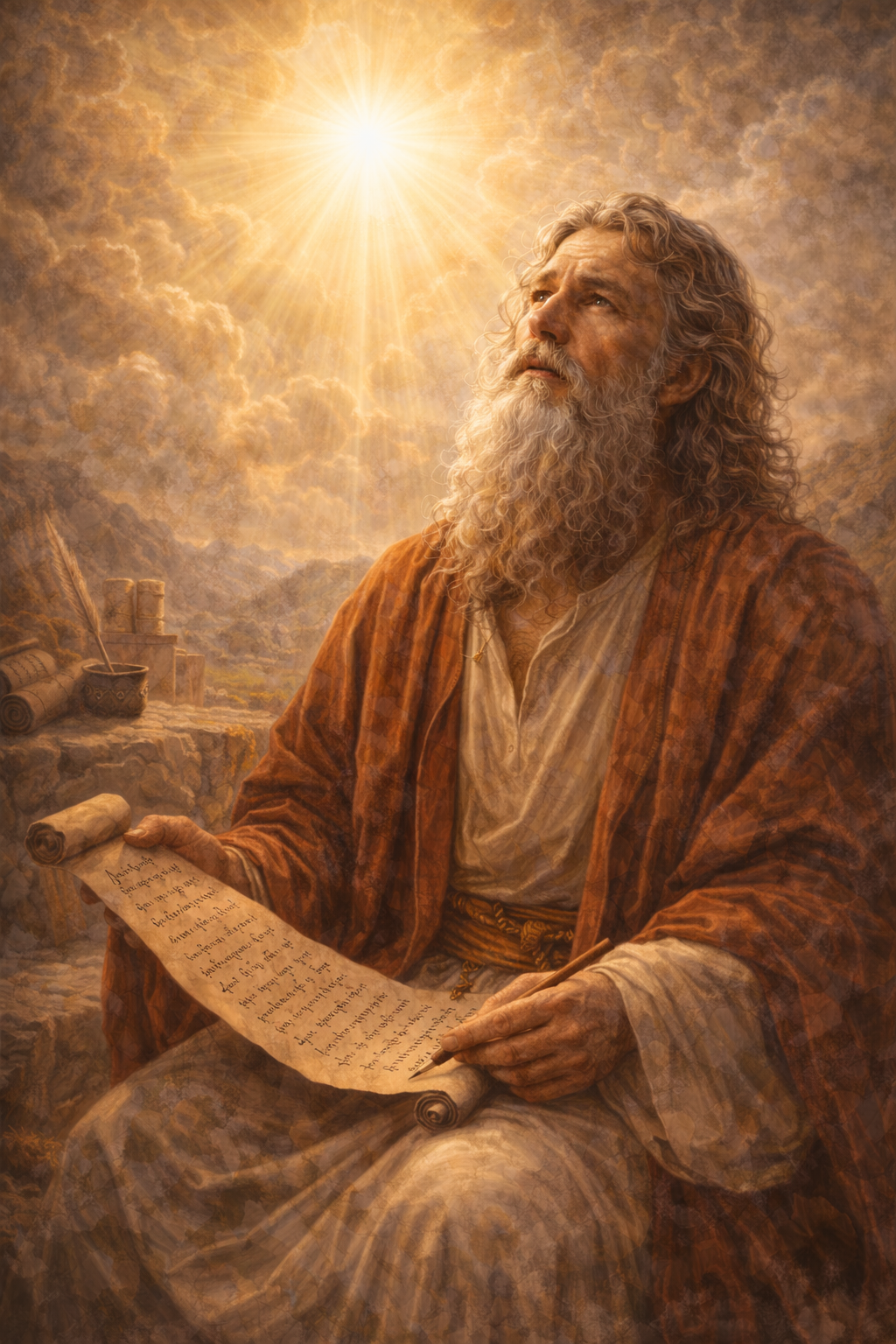
About John (son of Zebedee)
John enters the earliest narratives as a son of Zebedee and brother of James. Mark and Matthew place them beside the Sea of Galilee, working with their father when Jesus calls them from the boat. The sources do not establish John's age, birthplace, or birth year. His fishing background is probable from converging Gospel tradition, but later claims about his wider family are not needed to identify him.
Jesus includes John among the Twelve and gives James and John the nickname Boanerges, explained as Sons of Thunder. The Gospels repeatedly place the brothers with Peter near the center of the group. John witnesses the raising of Jairus's daughter, the Transfiguration, and Jesus' prayer in Gethsemane. These scenes show access and responsibility, not effortless understanding. When the brothers seek places of honor, Jesus redirects them toward service and suffering.
Luke preserves a less flattering episode during the journey toward Jerusalem. After a Samaritan village refuses hospitality, James and John ask whether fire should fall on it. Jesus rebukes them, and the group continues elsewhere. The account provides a concrete picture of zeal requiring correction. It cautions against turning John's later title as a teacher of love into a claim that his conduct was always patient.
The Synoptic Gospels name John during Jesus' ministry and at Gethsemane, but do not name him at the crucifixion. The Fourth Gospel instead speaks of an unnamed disciple whom Jesus loved, including at the meal, cross, empty tomb, and lakeside appearance. Christian tradition identified that disciple with John son of Zebedee. The Gospel itself does not make that identification, and its only explicit reference to Zebedee's sons occurs in chapter 21. Those scenes are therefore part of John's traditional reception, not direct biographical facts.
Acts supplies the clearest evidence for John's activity after Easter. It places Peter and John together at the temple, before Jerusalem authorities, and in prayer for baptized Samaritans. The council recognizes that they are unschooled laymen yet associates their courage with companionship with Jesus. John usually appears beside Peter rather than as a solitary leader. Paul also remembers John with James and Cephas as acknowledged pillars who extended fellowship to Paul and Barnabas.
After that point, contemporary evidence becomes sparse. Acts reports the execution of John's brother James but gives no comparable account of John's death. An ancient Christian tradition associates John with Ephesus, says he worked there for years, and places his death in Trajan's reign. This makes an Ephesian later life possible, but establishes no route, precise date, or securely documented burial. The catalog leaves his birth and death dates unset and maps Ephesus only as a traditional association without coordinates.
John's name became attached to a major body of Christian literature, but association is not demonstrated personal authorship. The Fourth Gospel never names John son of Zebedee as its author. The USCCB introduction describes a developed work with stages of editing and says most modern scholars do not find sufficient evidence to identify its eyewitness tradition with the apostle. This does not erase the ancient attribution or the Gospel's Christian importance. It requires 'Evangelist' to be recorded as a received title rather than a settled conclusion about the final written form.
The three letters called John belong to the same broad Johannine stream. First John is anonymous, while Second and Third John name their writer only as the Presbyter. The USCCB introductions connect their language and concerns with the Fourth Gospel and describe them as products of a Johannine school. Early Christians attributed First John to the apostle, but the texts do not settle his personal authorship of the collection. The letters illuminate John's reception without supplying undocumented episodes in his life.
Revelation presents a further identity problem. Its author calls himself John and locates himself on Patmos, but never claims to be Zebedee's son. Some early writers identified the seer with the apostle; others denied it. The USCCB introduction notes substantial differences in vocabulary, grammar, and style from the Fourth Gospel and judges common final authorship doubtful. Patmos belongs to a traditional attribution, not to a securely mapped itinerary for John son of Zebedee.
The Church of England remembers John as Apostle and Evangelist on December 27. The Orthodox Church in America commemorates his repose on September 26 and also observes May 8. These calendars preserve distinct traditions and are recorded separately. John remains significant because the earliest evidence shows a fisherman called into the Twelve, corrected when zeal became coercive, and later acting publicly with Peter. The literature linked to his name shaped Christian language about witness, truth, and love, although its authorship cannot be reduced to one certain biography. That distinction protects both kinds of evidence: the apostle can be remembered from the earliest narratives without claiming more than they say, while the Johannine writings can be studied without turning a complex literary history into an invented personal timeline.
Wondering how to weigh the stories and sources? Learn how to read a saint biography.
Explore similar vocations
Prayers for John (son of Zebedee)
Collect for John, Apostle and Evangelist
Merciful Lord, cast your bright beams of light upon the Church.