Biography
Barnabas
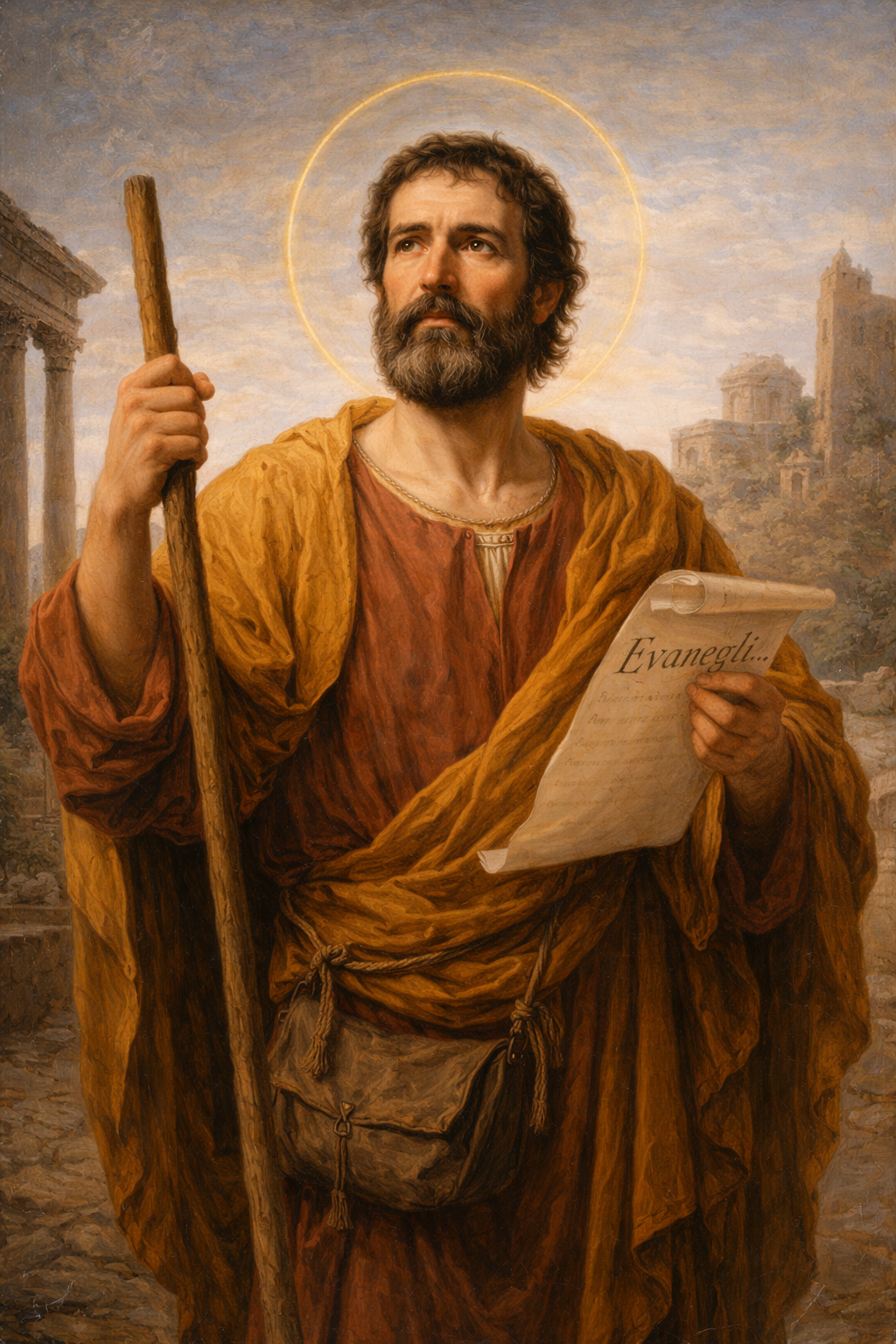
About Barnabas
Barnabas emerges in Acts as Joseph, a Levite and native of Cyprus whom the apostles call Barnabas. Acts interprets the name as ‘son of encouragement,’ though ‘son of consolation’ is another traditional rendering. His first recorded action is material: he sells a field and places the proceeds at the apostles' feet for the community's use. The text gives no birth year, age, parents, education, or account of his conversion. Later traditions fill those spaces with a Jerusalem education and early discipleship, but the earliest narrative begins with a Cypriot Jewish believer choosing generosity in Jerusalem. That concrete act introduces the role by which later passages remember him: he notices grace in other people and helps communities make room for it.
Barnabas next appears when Saul comes to Jerusalem after having persecuted followers of Jesus. The disciples fear Saul and doubt that he has become a disciple. Acts says Barnabas takes charge of him, brings him to the apostles, and recounts Saul's encounter with the Lord and bold preaching at Damascus. The passage does not say Barnabas personally witnessed the conversion; his courage lies in presenting Saul's account when suspicion was understandable. Benedict XVI describes this mediation as giving the future apostle to the Church. That interpretation captures Barnabas's importance while preserving the risk: welcoming a former persecutor required discernment, and the narrative does not erase the community's memory of violence.
As a mixed community grows at Antioch in Syria, the Jerusalem church sends Barnabas to investigate. Acts says he sees God's grace, rejoices, and encourages everyone to remain faithful. It calls him good, filled with the Holy Spirit and faith, and reports that many people join the community. Barnabas then travels to Tarsus to look for Saul, brings him to Antioch, and teaches with him for a year. The disciples are first called Christians there. Barnabas also joins Saul in carrying relief for believers in Judea during a reported famine. These episodes show encouragement as organized work: assessment, recruitment, sustained teaching, and the transfer of aid between vulnerable communities.
At Antioch, prophets and teachers worship and fast; Acts names Barnabas first among them. The community sets apart Barnabas and Saul, prays, lays hands on them, and sends them out. They travel with John Mark to Cyprus, proclaiming in synagogues at Salamis and crossing the island to Paphos. There they encounter the proconsul Sergius Paulus and Bar-Jesus, also called Elymas. Saul—now called Paul—pronounces a severe judgment, and Elymas is struck temporarily blind in Luke's narrative. Barnabas does not speak in the scene. The violence and power dynamics should not be softened, nor should the episode become evidence for a precise route beyond the named places in Acts.
The mission continues into Asia Minor. At Pisidian Antioch, Paul and Barnabas address Jewish and Gentile hearers, face opposition, and are expelled. At Iconium they speak in the synagogue and leave when a plan develops to stone them. In Lystra, after Paul heals a man, the crowd calls Barnabas Zeus and Paul Hermes and prepares a sacrifice. Both missionaries tear their garments, rush into the crowd, and insist that they are human beings bringing good news. The protest is one of Barnabas's clearest recorded actions: he refuses divine honors even when acclaim could have enhanced authority. Violence follows when opponents stone Paul; the pair later revisit communities and appoint elders with prayer and fasting.
A major dispute then concerns whether Gentile believers must be circumcised according to Mosaic practice. Acts says Antioch appoints Paul and Barnabas to take the question to Jerusalem. They report signs among Gentiles, participate in the deliberation, and return with a letter setting limited requirements. Paul's own account in Galatians describes a journey with Barnabas and Titus and says recognized leaders extend partnership to Paul and Barnabas for work among Gentiles. The two sources are related but not identical in arrangement and emphasis. Neither supports a frictionless early Church. Both place Barnabas within difficult negotiations over belonging, authority, inherited practice, and table fellowship.
Galatians preserves a harder episode. Paul says that at Antioch Cephas withdraws from eating with Gentiles when visitors associated with James arrive, and that other Jewish believers—including Barnabas—are carried away by this conduct. Paul calls it hypocrisy and says he confronts Cephas publicly. Barnabas is therefore not portrayed as consistently brave or correct. His earlier support for Gentile mission coexists with a failure under social pressure. The Vatican's later reflection treats disagreements among collaborators as evidence that holiness does not eliminate weakness and that reconciliation remains possible. It should not, however, invent a documented conversation of apology or reunion that the sources do not record.
Another conflict ends Barnabas's shared itinerary with Paul in Acts. Barnabas wants to take John Mark on a further visit; Paul objects because Mark had withdrawn from the earlier mission. Their disagreement becomes so sharp that they separate. Barnabas takes Mark and sails to Cyprus; Paul chooses Silas. Acts neither assigns all blame nor narrates what Barnabas and Mark do next. Later Pauline letters mention Mark favorably, which permits hope of repaired relationships but does not prove Barnabas's presence in that reconciliation. The scene gives Barnabas's encouragement a demanding form: he accepts the cost of backing a colleague whose earlier failure Paul considered disqualifying.
Later Cypriot tradition says Barnabas returned to the island, suffered death by stoning at Salamis, and was buried by Mark with a copy of Matthew's Gospel. It also connects a later discovery of his relics with the autonomy of the Church of Cyprus. Other received accounts send him to Rome or Milan and call him a bishop. These traditions express Cyprus's apostolic memory, but Acts ends with the voyage alongside Mark and supplies no manner, place, or date of death. The frequently repeated years around 61 or 62 and the detailed relic narrative should not be converted into documented chronology. No martyrdom site, sea route, or manuscript discovery is mapped here.
Roman Catholic, Anglican, and Eastern Orthodox communities commemorate Barnabas on June 11. The title apostle is well rooted in Acts, which calls Barnabas and Paul apostles at Lystra; missionary describes his work across communities rather than a later rank. An official Church of England collect praises his encouragement and generosity, but its published text carries a copyright notice and is not reproduced in this packet. Barnabas's enduring importance is visible in actions rather than an idealized temperament: he gives property, risks trust in Saul, recognizes a new community, recruits help, rejects worship, participates in conflict, fails under pressure, and offers Mark another chance. His life shows encouragement as courageous, corrigible collaboration.
Wondering how to weigh the stories and sources? Learn how to read a saint biography.