Biography
Knud IV of Denmark
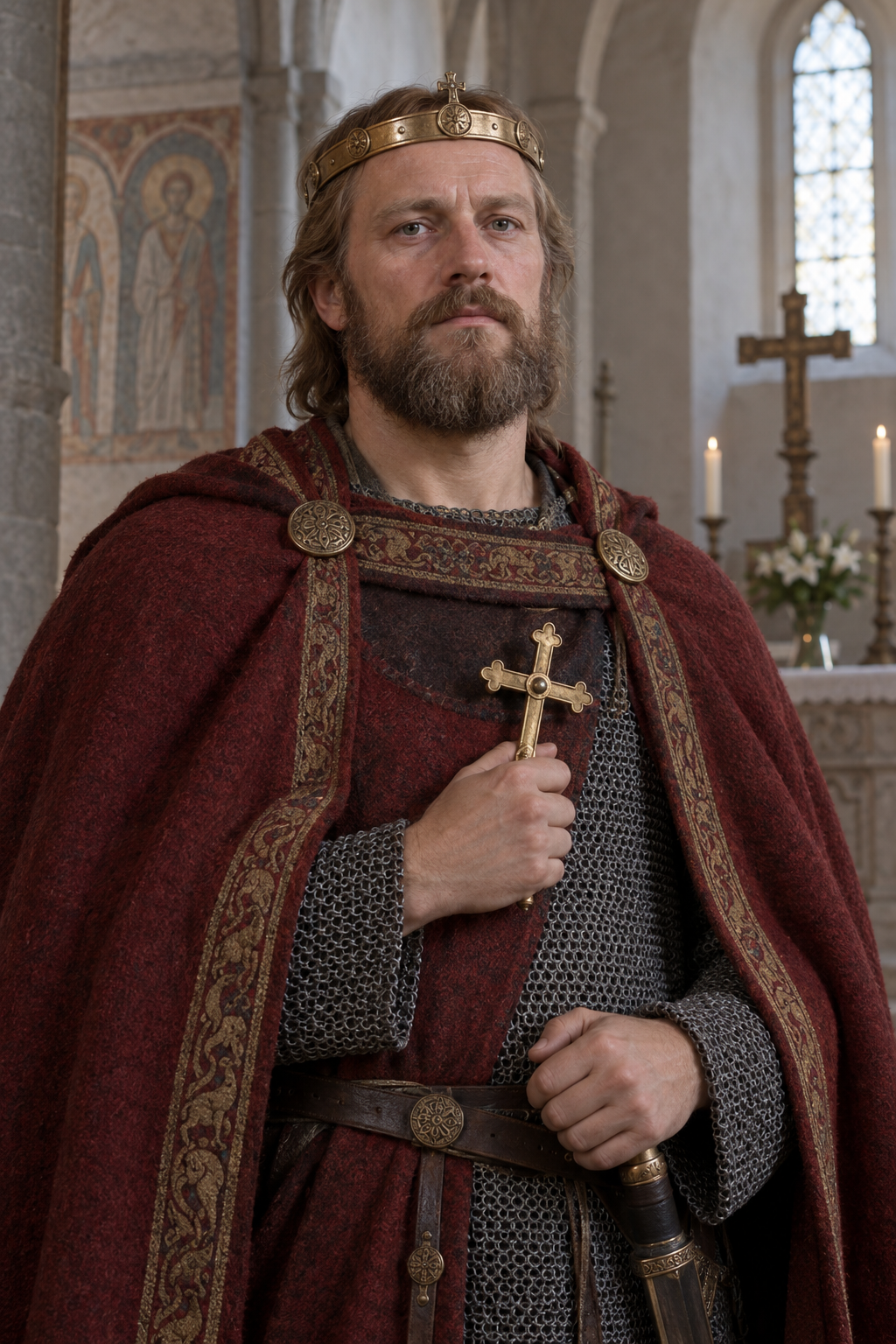
About Knud IV of Denmark
Knud, a son of King Svend Estridsen, was born around 1042. Before he became king he joined expeditions to England and spent time away from Denmark. He sought election after his father’s death, but his brother Harald was chosen instead. Knud gained the throne after Harald died in 1080. His own career therefore began amid the contests for authority that later marked his reign.
As king, Knud supported the church with substantial gifts and sought stronger royal administration. A surviving gift charter of 1085 to the church at Lund is among the earliest Danish royal documents preserved in its own wording. He also tried to improve the position of clergy, merchants, and former slaves, while pursuing church dues and other obligations. The same measures could look like reform from the court and unwelcome demands from those expected to pay.
Plans for an expedition against England failed. Resistance in Jutland grew into revolt, although the sources do not agree on a single cause. Some link it to penalties connected with military service, others to church tithes or new royal exactions. Knud fled to Odense. On 10 July 1086, rebels killed him in St Alban’s Church, together with his brother Benedict and retainers. Odense Cathedral identifies the site and preserves reliquaries traditionally associated with the brothers.
Miracle reports and the memory of a king killed in a church fostered his cult. Odense Cathedral gives 1100 or 1101 for papal recognition. The surviving evidence supports his sainthood but does not justify pretending this chronology is fully settled. His story keeps two views in tension: a ruler who strengthened church institutions and a ruler whose demands helped bring a violent uprising.
Wondering how to weigh the stories and sources? Learn how to read a saint biography.