Biography
Maximus the Confessor
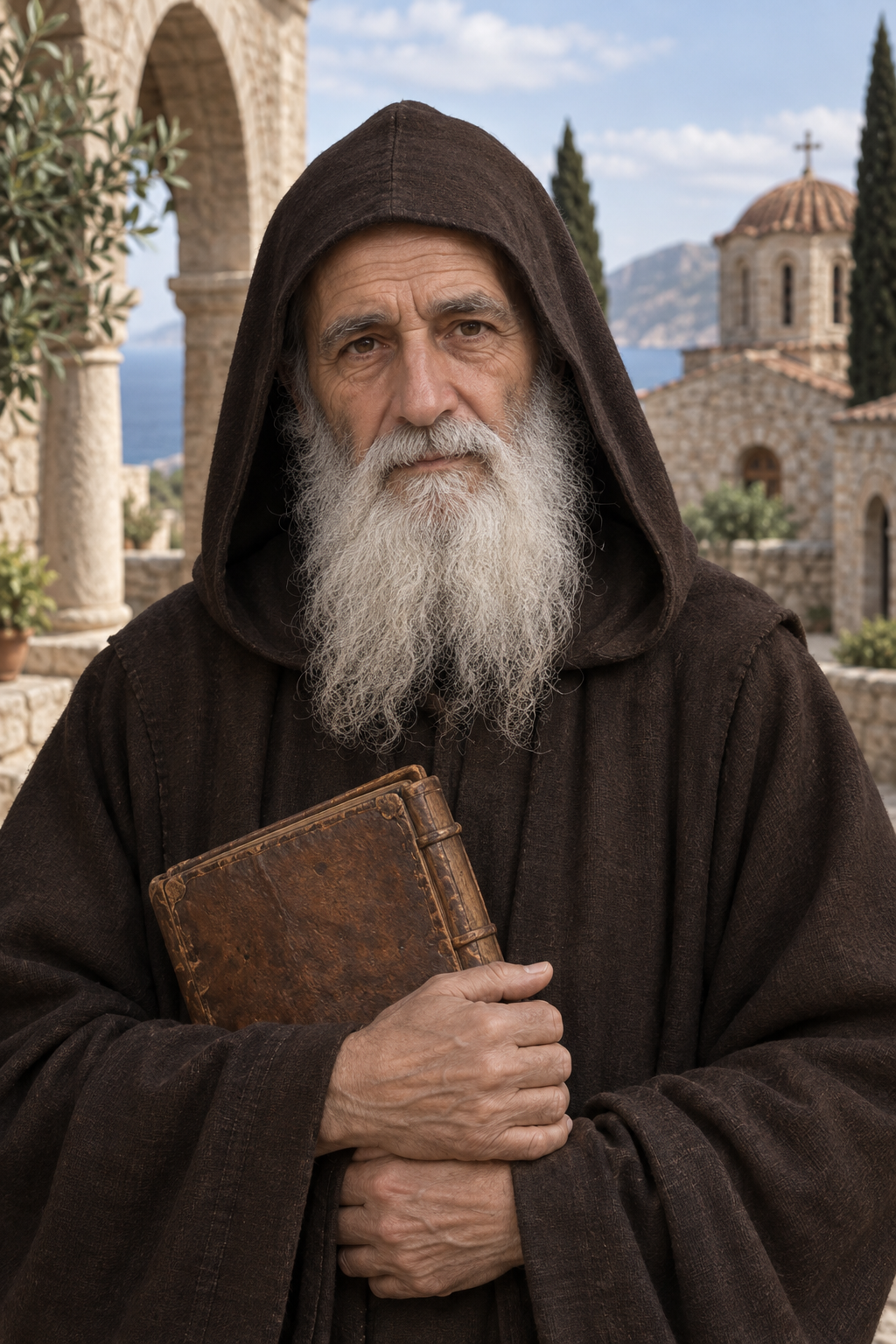
About Maximus the Confessor
Maximus the Confessor was a seventh-century Greek-speaking monk, theologian, and public opponent of imperial attempts to impose doctrinal compromise. He is not Maximus of Turin or the Maximus who appears in the later legend of Saint Cecilia. Sources place his birth around 580, but even the setting of his early life is debated. A familiar Greek Life makes him a Constantinopolitan of elite background who served Emperor Heraclius before entering a monastery. A Syriac life gives a Palestinian origin and a very different hostile portrait. Modern scholars therefore treat the court career and precise birthplace cautiously. What becomes clearer is the adult monk whose writings and surviving trial documents reveal sustained theological work across the eastern Mediterranean and North Africa.
According to the received Byzantine account, Maximus left imperial service and became a monk near Chrysopolis, later moving amid Persian military pressure. The dates and details in this early itinerary cannot all be independently confirmed. By the 630s he was in North Africa, where his correspondence and writings engaged questions of prayer, ethics, biblical interpretation, and the person of Christ. He developed a wide synthesis drawing on Scripture and earlier Christian thinkers, especially Gregory of Nazianzus and the writings transmitted under the name Dionysius the Areopagite. His goal was not abstract system-building alone. He connected human freedom, spiritual practice, worship, creation, and union with God, arguing that grace heals rather than erases what is genuinely human.
The controversy that defined Maximus's public life concerned whether Christ has one will or both divine and human wills. Imperial and ecclesiastical leaders promoted formulas intended partly to ease divisions after earlier disputes about Christ. Maximus believed that suppressing Christ's human will endangered the reality of the incarnation and human salvation. If Christ did not possess a complete human capacity to will, he argued, human nature was not fully assumed and healed. This position is often called dyothelitism. Maximus did not understand the two wills as rival centers. In his account, Christ's human freedom acts in perfect harmony with the divine without being abolished. That distinction gave theological precision to his resistance and explains why he refused commands to stop discussing the question.
In 645 Maximus debated Pyrrhus, the former patriarch of Constantinople, at Carthage. The surviving disputation presents arguments over one or two operations and wills in Christ and ends with Pyrrhus accepting Maximus's position, although Pyrrhus later reversed course. Maximus also supported the Roman synod convened by Pope Martin I at the Lateran in 649, which rejected monothelite formulas and the imperial Typos that prohibited discussion. These actions connected a monk without episcopal office to a broad network of monks, bishops, envoys, and lay officials. They also exposed him to political accusations. His courage consisted not in seeking punishment but in continuing careful argument when silence would have protected him.
Imperial authorities arrested Maximus and brought him to Constantinople for trial in 655. The translated documents preserve accusations, interrogations, attempted persuasion, and his answers. Political charges accompanied doctrinal pressure, including allegations concerning imperial defeat that he denied. He was exiled to Bizya in Thrace and questioned again. These records are unusually valuable because they stand close to the events, though they still come from supporters and require critical reading. They show that Maximus's companions shared the consequences of his resistance. Two men named Anastasius—one a monk and disciple, the other a papal representative—appear repeatedly beside him, while allies carried news and texts between separated exiles.
A final proceeding in 662 imposed bodily punishment intended to end Maximus's teaching. The sources report that his tongue was cut out and his right hand amputated, after which he and his companions were paraded and sent separately into exile in Lazica, on the eastern Black Sea. Maximus died there on 13 August 662. Later devotional accounts add miraculous details about his continued speech and writing; these belong to tradition and are not needed to understand the violence inflicted on him. He is called Confessor because he endured grave suffering for his profession of faith without being judicially executed as a martyr. The legacy database's martyr classification is therefore replaced by confessor, monk, and teacher.
The Third Council of Constantinople, meeting in 680–681, affirmed that Christ has two natural wills and two natural operations united without division. The council did not merely canonize every argument Maximus had made, but its decision vindicated the central doctrine for which he had suffered. His writings continued to shape Byzantine theology, especially accounts of the incarnation, freedom, love, contemplation, liturgy, and the human vocation within creation. Benedict XVI presented Maximus as a thinker whose cosmic vision is gathered into communion with Christ. Eastern Orthodox communities commonly commemorate him on January 21 and also mark August 13 in connection with his death and relics; calendars and local rubrics must remain distinct.
Maximus's own surviving works permit a more direct encounter than later miracle stories. The Vatican audience cites his insistence that anyone who loves God cannot keep money for himself but gives it in a just way according to others' needs. The saying joins contemplation to concrete responsibility and avoids reducing him to a technical controversy. His life likewise joins intellectual discipline with costly solidarity: he wrote for communities under pressure, argued publicly, remained connected with fellow prisoners, and accepted exile rather than endorse language he believed diminished Christ's humanity. Maximus remains significant because his defense of a complete human will in Christ became inseparable from a demanding account of human freedom—one fulfilled through truthful, loving action rather than coercion.
Wondering how to weigh the stories and sources? Learn how to read a saint biography.