Biography
Paulinus of Lucca
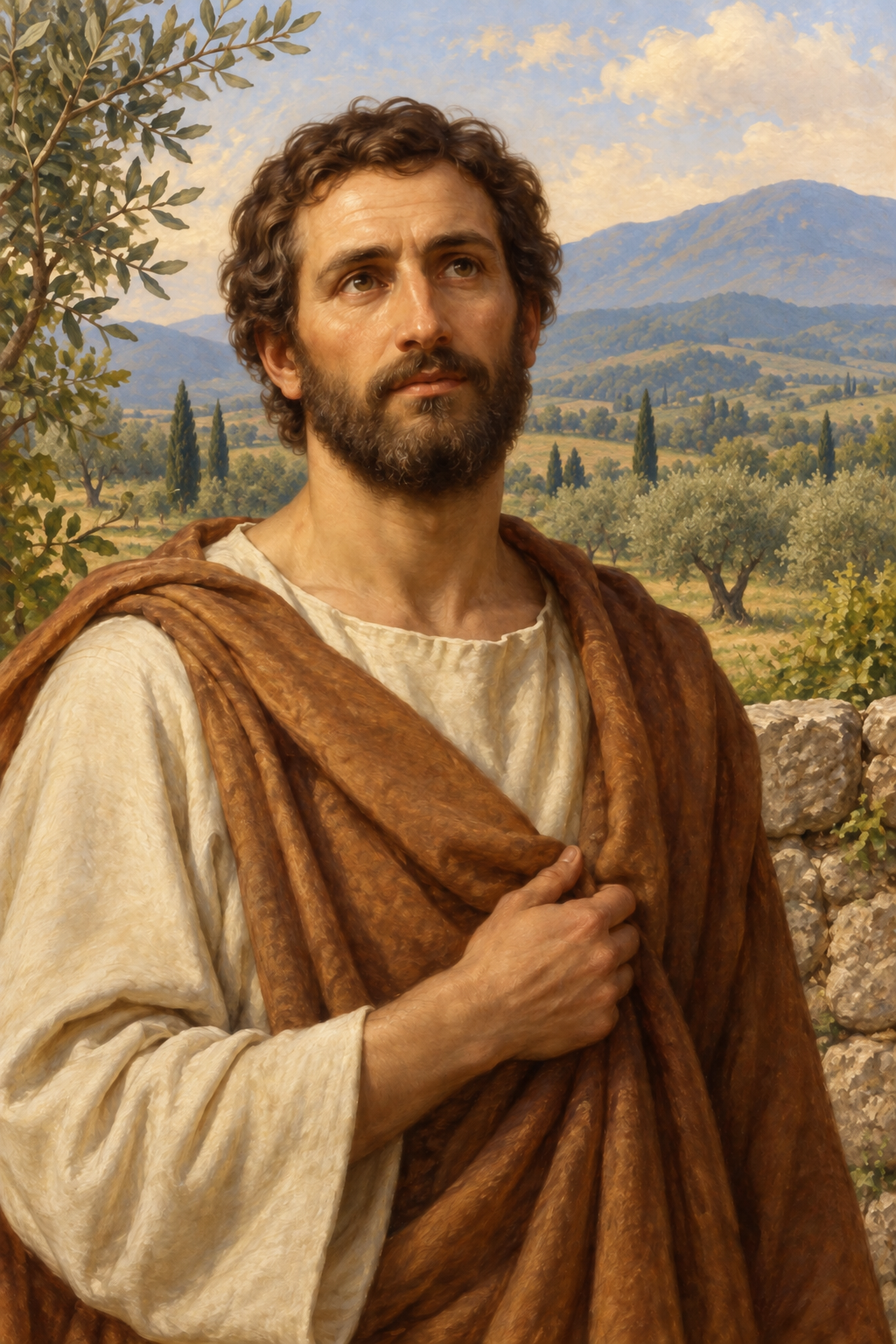
About Paulinus of Lucca
The figure venerated as Saint Paulinus has a long place in the religious memory of Lucca, a city in Tuscany. The city's archdiocese names him its patron and marks his feast on July 12. It says he has been honored there as an early bishop and martyr, yet its own history distinguishes veneration from documentary proof of a first-century episcopate. The imported catalog title, “Paulinus of Antioch,” points to a common modern version of the story that he came from Antioch. This profile uses “of Lucca” because the Lucca cult, rather than an ancient birthplace, is the stable point supported by the strongest reviewed source.The historical trail begins much later than the legend's setting. Lucca's archdiocese says Paulinus is absent from the city's older episcopal lists and from liturgical sources until the later Middle Ages. It links his cult to discoveries of relics in a local church and to a solemn recognition in 1261. A bishop's letter about that recognition listed Paulinus with two other martyrs, and later retellings expanded his place in Lucca's origins. The archdiocese describes the fuller passion as a product of this developing memory. These are useful facts about how a saint was honored, but they do not supply a contemporary account of Paul's own acts or a secure year in which he lived.An older Catholic historical reference examines a stone associated with Paulinus's relics. It notes that the inscription calls Paulinus a martyr but does not call him bishop of Lucca or place him in the time of the apostles. The same reference records a different Paulinus who was bishop of Lucca at the Council of Rimini in 359 and says the later legend may have confused figures of the same name. The evidence does not allow this profile to identify the venerated martyr securely with that fourth-century bishop. For the same reason, the catalog should not store “bishop” as an established office, even though local devotion uses the title. “Martyr” here reports the received cult and inscription, without an independently recoverable account of his death.The July 12 Roman Martyrology gives a more elaborate account: Paulinus was made Lucca's first bishop by Peter and died under Nero. That is evidence of a later church tradition, not a contemporaneous witness. Lucca's archdiocese explicitly calls the first-bishop story a legend and discusses how a medieval passion developed. The traditional Antioch origin belongs to that same uncertain reconstruction. None of these details supports setting a signed birth or death date, an origin place, or a first-century mission in the structured catalog. The local feast day is secure as an observance, but it should not be taken as a verified day of death. This distinction keeps the devotional narrative visible without granting it more historical certainty than the sources bear.The inherited May 22 Orthodox feast is a different kind of error. Its cited page is a commemoration of the fathers of the Second Ecumenical Council; it mentions a Bishop Paulinus of Antioch because a creed was sent to him during fourth-century disputes. It does not list him as that day's saint, and it does not connect him to Lucca. Removing May 22 avoids attaching another man's incidental mention to this record. The supported observance is Lucca's July 12 feast. Paulinus's profile can thus tell the history of a real local cult and its surviving inscription while leaving the identity and life behind that cult open where the evidence is thin.
Wondering how to weigh the stories and sources? Learn how to read a saint biography.