Biography
Serapion of Algiers
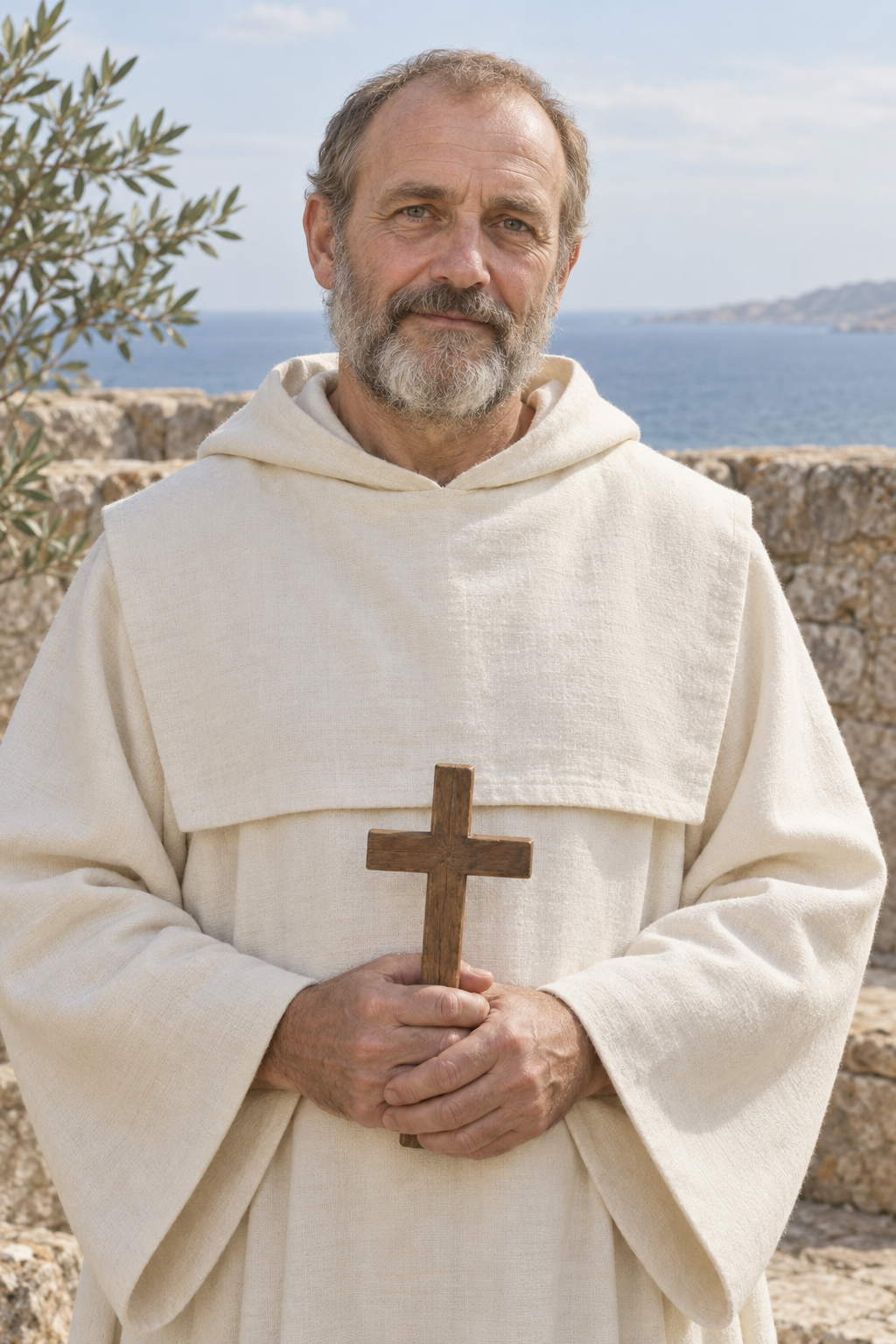
About Serapion of Algiers
Serapion of Algiers is venerated by the Mercedarians as a religious and martyr. His familiar medieval career survives in narratives written much later. Ramon Dilla Martí’s study traces early printed accounts that sometimes mingle his story with that of another Serapion, a martyr of Alexandria.
The Order’s received tradition describes him undertaking the ransom of captives at Algiers with Brother Berenguer de Bañeres. He remained as a hostage while money was sought for their release. When the payment failed to arrive, the account says, he was killed on a cross. The Order associates this final mission with 1240.
The historical narrative was not fixed from the beginning. Dilla Martí identifies a late sixteenth-century account placing his death in England and seventeenth-century versions developing the Algiers story. These differences limit certainty about the personal career behind the later cult.
Sara Caredda’s examination of the recognition proceedings shows how evidence of devotion, images and earlier writings supported his cause. A renewed process opened in Barcelona in 1716, and recognition of immemorial cult followed in 1728.
His later devotional image became widely known through art. The Wadsworth Atheneum preserves Francisco de Zurbarán’s 1628 painting Saint Serapion, made for the Shod Mercedarians in Seville. The museum describes its themes as sacrifice, death and redemption.
The Order commemorates him on 14 November and records his traditional invocation against pain in bones and joints.
Wondering how to weigh the stories and sources? Learn how to read a saint biography.