Biography
Telemachus
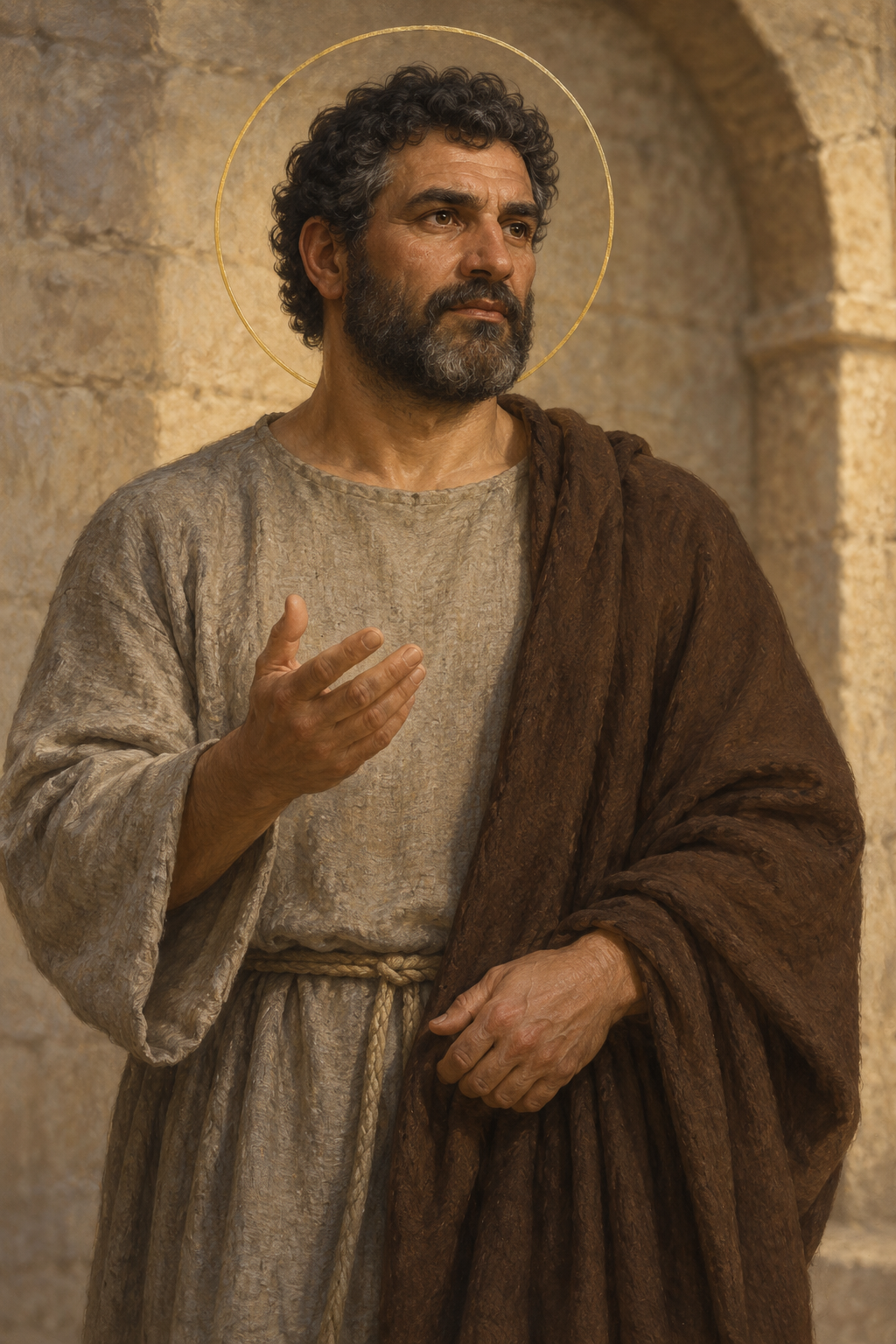
About Telemachus
Telemachus is remembered as an eastern Christian ascetic who opposed the killing of gladiators at Rome. His story became closely associated with that of the martyr Almachius, commemorated on 1 January. The surviving traditions differ over the name, the circumstances of death and the connection with imperial policy.
According to Theodoret, Telemachus came from the East to Rome and entered the arena during an armed contest. He tried to stop the combatants. The angry spectators stoned him to death. Theodoret adds that Emperor Honorius honored him among the martyrs and ended the gladiatorial spectacle. His account presents the ascetic as a peacemaker.
The related martyrological notice tells a different story. It names Almachius, who protested against idolatry and impure sacrifices on the octave of Christmas. Gladiators killed him on the order of Alipius, the city prefect. Amato Pietro Frutaz’s Catholic encyclopedia entry regarded these as two versions of one event and preferred the name preserved in the martyrology. That identification has itself remained part of the historical debate.
Historian Juan Antonio Jiménez Sánchez offers a more critical reconstruction. His study argues that an execution following an anti-pagan protest may underlie the tradition, but that the familiar arena narrative was substantially reshaped. He notes that Theodoret supplies no exact year and uses the episode to praise Honorius’s piety. The widely repeated date 404 and the claim that one death immediately ended the games cannot be treated as established chronology. The study also distinguishes the later transmission of Almachius through martyrologies from that of Telemachus through histories.
The story continued to speak to later Christians concerned with peace. In 1940, G. Barry O’Toole published an account in The Catholic Worker and praised Ade Bethune’s image of the saint. He invoked Telemachus as a martyr of Christian peace, applying the memory of the arena to contemporary warfare. The article shows the story’s place in Catholic peacemaking, rather than providing additional evidence for his early life.
Wondering how to weigh the stories and sources? Learn how to read a saint biography.