Biography
Venerius of Tino
About Venerius of Tino
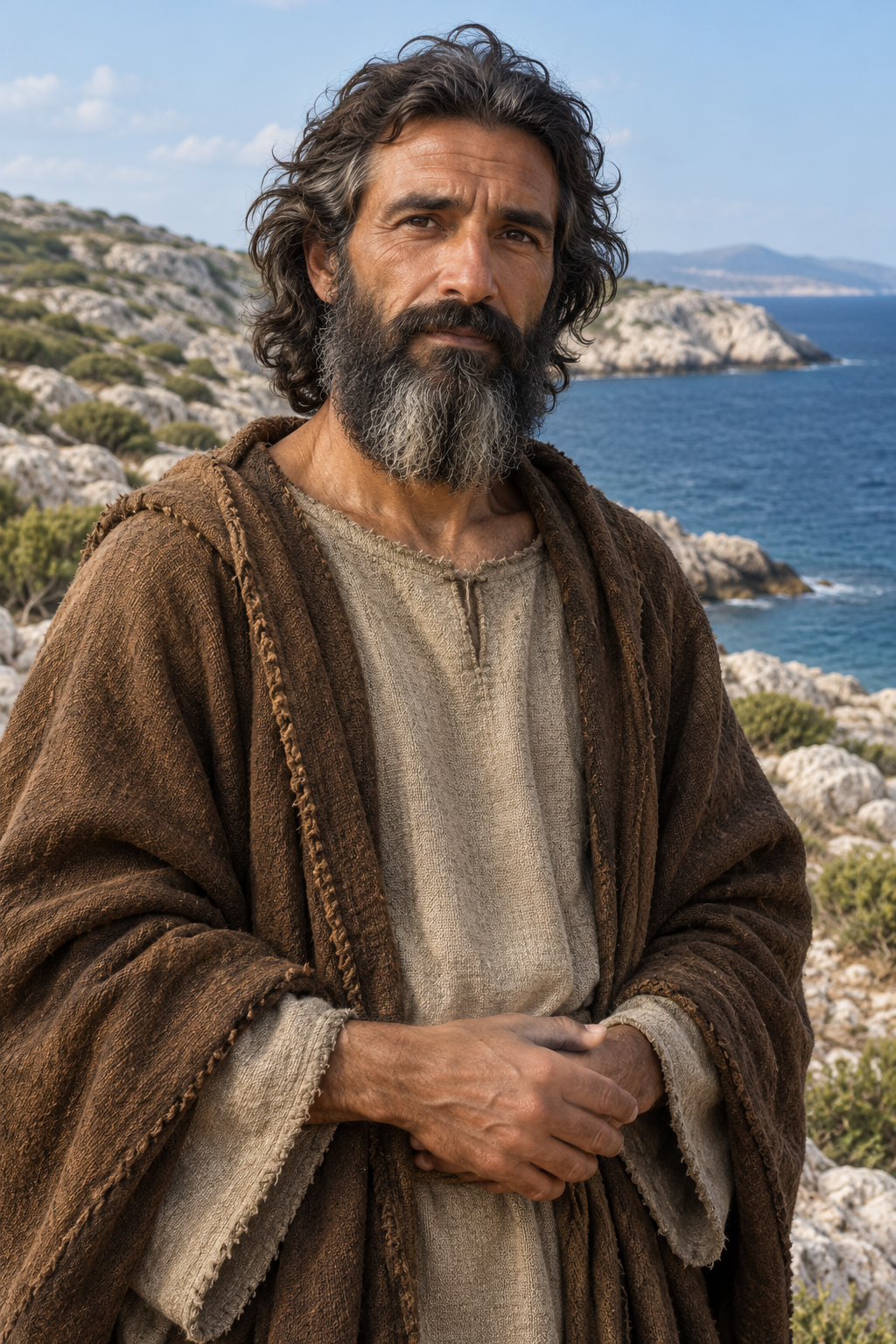
Venerius is remembered as a hermit of the island of Tino. The local diocese places him within the region’s early monastic tradition and celebrates his feast on 13 September. His memory is especially associated with the gulf and with Italy’s lighthouse keepers, who honor him as their patron.
The stories surrounding his island life include a tradition that he lit fires to warn passing boats. The parish of Porto Venere preserves this account as part of his maritime memory.
The surviving ruins on Tino do not provide a simple confirmation of the traditional chronology. Archaeologist Aurora Cagnana’s study of excavations in 2021 and 2022 challenges the identification of one structure as an early medieval church with two apses. Her analysis places its masonry much later, around the end of the tenth or beginning of the eleventh century.
Cagnana proposes that the structure may instead have protected a place remembered as the hermit’s site of prayer and death. On this reading, Benedictine monks and their patrons gave architectural form to an older local memory. She presents this as an interpretation of fragmentary evidence, rather than proof of the location or dates of Venerius’s life.
His patronage of the gulf has a clear modern documentary basis. On 24 October 1959, Pope John XXIII issued the apostolic letter Haud raro, confirming Venerius as its principal heavenly patron. The act answered a request from Bishop Giuseppe Stella and recalled the long association between the island, its monastery, and devotion to the saint. Even its reference to his death in the seventh century is framed as received tradition.
That devotion still takes a maritime form. The Porto Venere parish describes an annual procession carrying relics to Tino for the feast, when the island opens to worshippers.
On the mainland, the diocese also maintains the Pieve of San Venerio at La Spezia, a church bearing his name whose surviving early fabric is associated with rebuilding in 1085.
Wondering how to weigh the stories and sources? Learn how to read a saint biography.