Biography
Willehad of Denmark
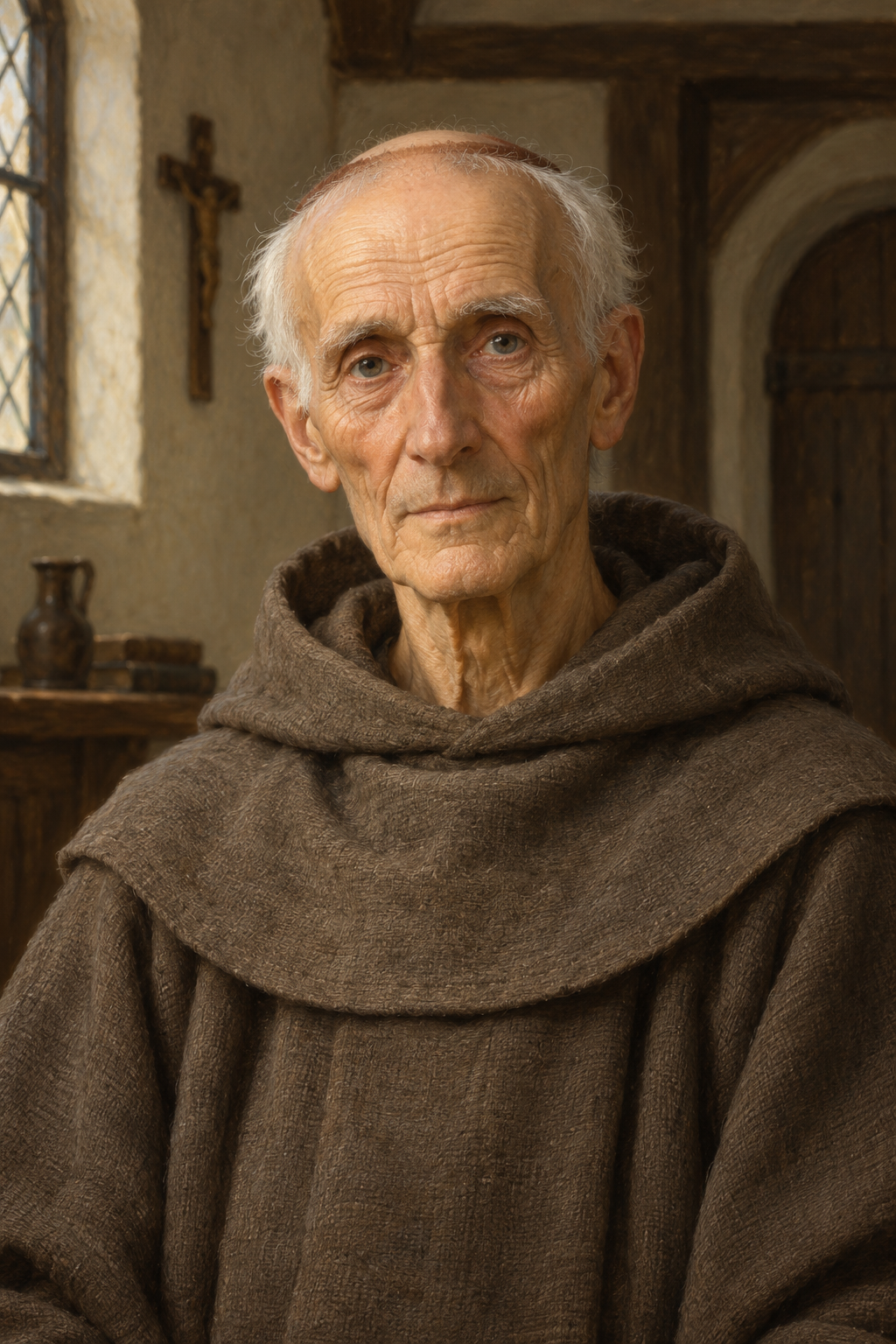
About Willehad of Denmark
Willehad of Denmark was a Franciscan priest and one of the nineteen Martyrs of Gorkum. The Order of Friars Minor names him among the priests of the Franciscan community taken prisoner in 1572.
The Diocese of Rotterdam’s identity sheet gives his birth year as 1482 and places his entry into the Franciscans at Flensburg. It describes his later refuge at Gorkum after successive stays in England and Scotland.
The Catholic Church in Norway’s biography describes a life repeatedly disrupted by religious exile. It places his origins in Holstein, then associated with Denmark, and records his entry into the Observant Franciscans and ordination as a priest. According to this account, he left Denmark, spent time in England and Scotland, and eventually found a home among the friars at Gorkum. The exact timing of his first departure is uncertain even within that biography. Its account emphasizes his prayer and work as a confessor in the community where he spent his final years.
By the time of his imprisonment, Willehad was exceptionally old. Franciscan historian Dominic Monti describes him as ninety when the Sea Beggars captured Gorkum in June 1572 and imprisoned the local friars and other clergy. The captives were subjected to abuse and later taken to Brielle. There they were pressed to abandon Catholic teaching on Christ’s presence in the Eucharist and the authority of the pope. Willehad remained with the others who refused.
The shrine’s history places their execution at Rugge, just outside Brielle, during the night of July 9. Nineteen prisoners were hanged from the beams of a turf shed belonging to a monastery that had already been closed and plundered. This distinction in place matters: the group is named for Gorkum, where many of the men lived and were captured, but their deaths occurred near Brielle.
The Catholic Church recognized Willehad together with his companions. The shrine records their canonization on June 29, 1867. Its account interprets their martyrdom as fidelity to Christ expressed through love and forgiveness, rather than a pursuit of violence or death. Each man remains individually named within that shared remembrance.
At the national pilgrimage on July 6, 2024, Bishop Van den Hende singled out the elderly Willehad while speaking about Christian hope. He recalled the abuse Willehad suffered and presented his continuing attachment to Christ as an example of resisting hatred. This is the bishop’s devotional interpretation of the martyr’s witness, and it remains part of the way the shrine tells his story to pilgrims.
The site near Brielle continues as a place of pilgrimage. The shrine describes the marked outline of the former shed and a reliquary in the church, where a candle burns for each of the nineteen martyrs. Their collective memorial preserves the name of this elderly friar alongside the names of men from several religious orders and the diocesan clergy.
Wondering how to weigh the stories and sources? Learn how to read a saint biography.