Biography
Apollos
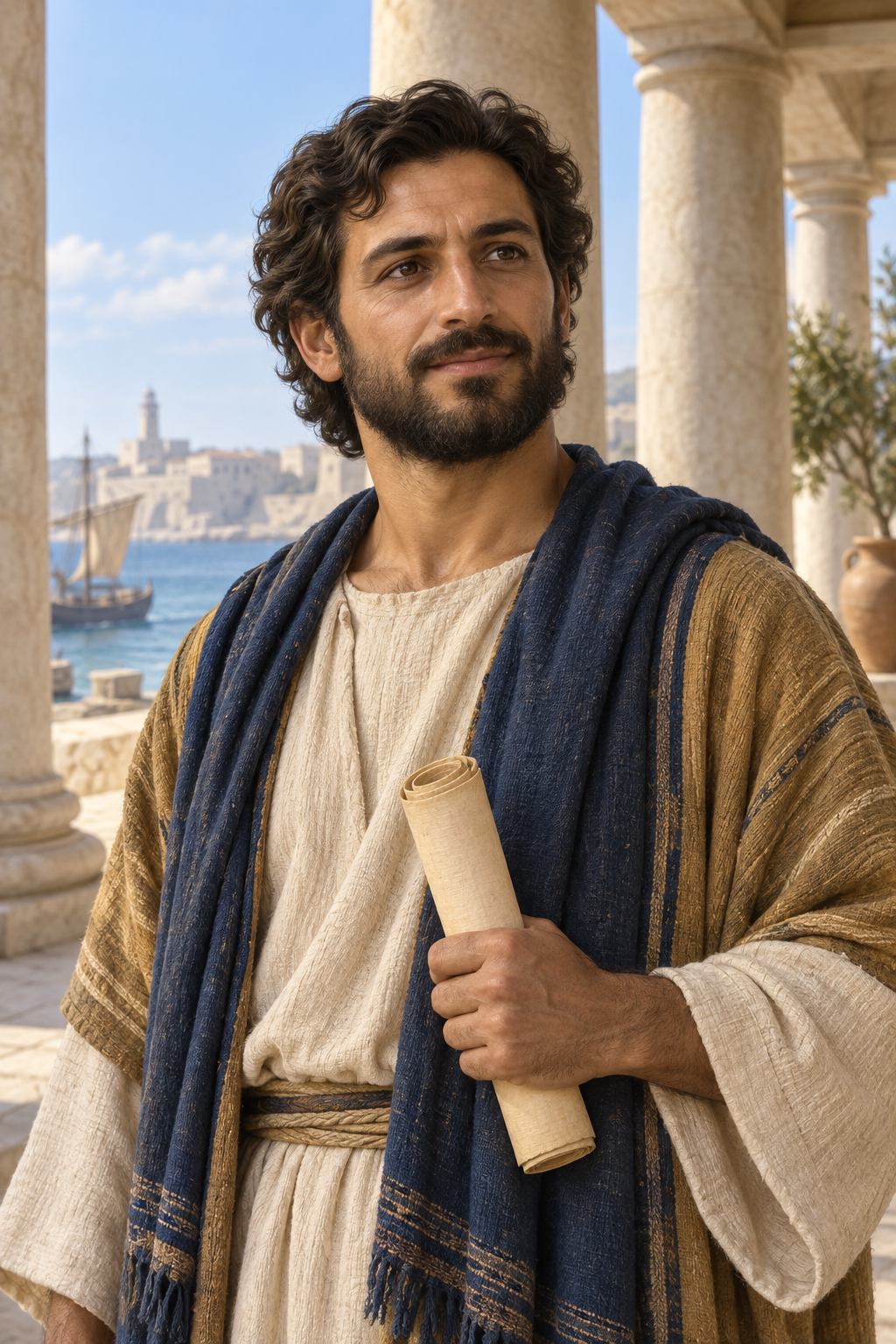
About Apollos
Acts introduces Apollos as an Alexandrian Jewish teacher at Ephesus. He spoke in the synagogue, received instruction from Priscilla and Aquila, and traveled with a recommendation to Achaia. The account gives no family history, formal education, office, or explanation of the limits it places on his earlier formation. Acts 18:24–28
The Alexandrian label should not become an invented school career. Den Dulk argues that Acts' ethnic descriptions could evoke ancient stereotypes. That is a possible literary effect, not independent evidence of Apollos's education or motives. den Dulk, JBL 139.1
First Corinthians places Apollos at Corinth after Paul. Some members used their names in disputes, but Paul called both men servants with bounded tasks. Later, Apollos declined an immediate return. The letter gives no reason, so it establishes neither a quarrel nor submission between them. 1 Corinthians 1:10–13; 3:4–9; 16:12
Carlson stresses how little the letter discloses about Apollos's theology. Litwa instead reads it as correcting Acts and presenting an independent recruiter. These remain scholarly reconstructions; neither recovers Apollos's own program. Carlson, Luther Seminary; Litwa, “Apollos”
Titus associates Apollos with Zenas and requests support for their journey. The instruction supplies no destination, date, or explanation of their work. The USCCB introduction notes that authorship and chronology are debated, so the notice cannot securely extend an itinerary. It supports only a cautious conclusion that this later witness remembers Apollos as a traveler aided by Christian communities. Benedict XVI likewise concludes that no further information about him survives. Titus 3:12–14 and introduction; Benedict XVI, 31 January 2007
The Orthodox notice assigns individual commemorations on March 30 and December 8 and includes Apollos in the January 4 Synaxis of the Seventy. Those observances document received memory, not dates in his life. The notice also calls him one of the Seventy and says he became bishop of Smyrna. These claims have traditional status because the reviewed early evidence does not corroborate them. No reviewed source establishes a birth year, death, tomb, relic history, formal patronage, or universal feast. OCA
The resulting account is deliberately modest. It keeps early evidence, later commemoration, and modern interpretation visibly separate. That method avoids turning a church calendar into chronology or a scholarly proposal into personal testimony. It also explains why an evidence-based shorter biography is more responsible here than a full-length narrative assembled from repeated retellings. The unresolved questions remain visible instead of being converted into narrative detail. OCA; Litwa, “Apollos”
Wondering how to weigh the stories and sources? Learn how to read a saint biography.