Biography
Bartholomew of Braga
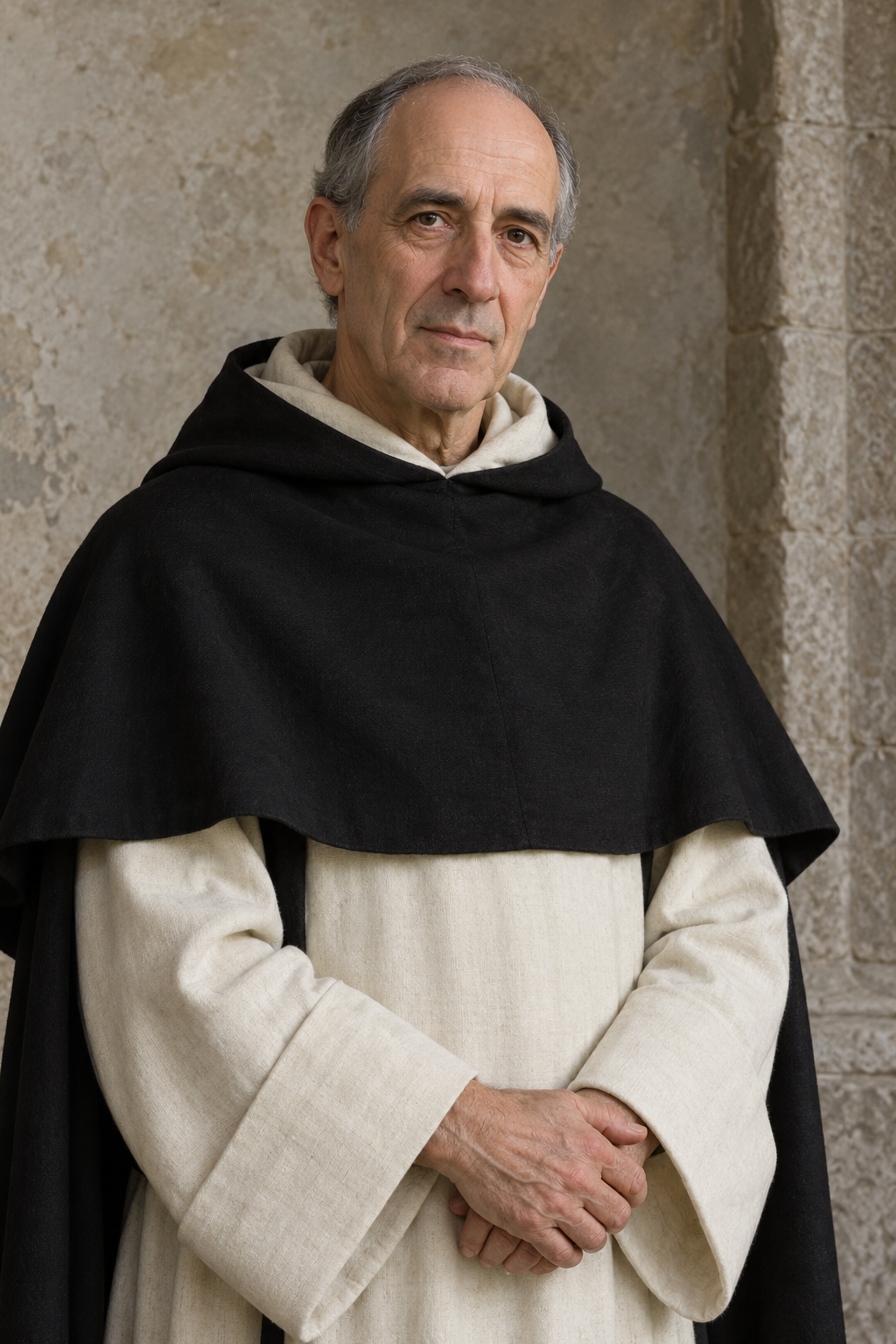
About Bartholomew of Braga
Bartholomew of Braga was born in Lisbon on 3 May 1514.
He entered the Dominican Order in 1528 and later taught philosophy and theology in Lisbon, Batalha and Évora. Before becoming archbishop, he served as prior at Benfica. His religious name, Bartolomeu dos Mártires, recalled the church where he had been baptized; it does not mean that he himself died a martyr.
As archbishop of Braga, he visited parishes, promoted religious instruction and worked to improve the education of priests. He participated in the Council of Trent from 1561 to 1563. Back in his archdiocese, he pursued its reforms through a diocesan synod, a provincial gathering and the foundation of a seminary. He also wrote a catechism and the pastoral treatise Stimulus Pastorum.
His interventions at Trent reveal practical concerns behind that programme. Isabel Varanda’s study describes his insistence that bishops should live among the people entrusted to them and carry out visitation themselves. He sought standards of learning and conduct for those appointed to govern dioceses, rather than exemptions that would protect inadequately prepared candidates. His proposals also addressed religious houses, including the problem of young people entering them under parental pressure. These were positions he advanced in a contested council, not a list of measures that can all be assumed to have become law.
The council also brought a dispute over rank. Bartholomew defended Braga’s claim to precedence, but accepted the place assigned to him while reserving the rights of his see. Varanda notes another limit in the evidence: the collected reform petitions associated with him were not formally presented to the council as a single document. Reading them alongside his interventions gives a fuller picture of his ambitions without turning the collection into an enacted programme.
The opening of Stimulus Pastorum turns reform inward. Bartholomew assembled passages from Gregory the Great that describe episcopal responsibility as a demanding example of Christian life. They warn against teaching one thing while living another. A candidate’s past behaviour matters more than imagined future achievements: someone who clings to possessions or acts proudly before appointment should not presume that office will cure those habits. The passages make examination of character part of preparation for caring for other people.
The same selection also challenges a capable person’s refusal to serve when called. It holds that gifts should benefit others, while warning that an unprepared leader can obstruct their spiritual growth. Its image of a wounded physician places the pastor’s own condition within his responsibility for the community. Mercy, sound teaching and a readiness to forgive appear together with the duty to resist wrongdoing. By collecting this material, Bartholomew placed inherited pastoral teaching before readers facing the demands of church government; these passages should not be presented as newly composed sayings of his own.
In 1582 he withdrew to the Dominican convent at Viana do Castelo that he had helped establish.
His spiritual writing gives a further view of his priorities. A passage from his Compêndio, preserved in Portugal’s liturgical reading, urges steady attention to God through love and humble prayer amid daily activities. It describes contemplation as a desire that grows through practice and draws the mind back to its object. The passage also uses the language of divine darkness: God is described as light beyond the mind’s capacity to comprehend. This is an account of contemplative prayer, rather than a claim about a visible darkness or a supernatural episode in his life. The excerpt preserves his own teaching, while the liturgical setting shows how later Catholic communities continue to read it.
Bartholomew died at Viana do Castelo on 16 July 1590.
John Paul II beatified him in 2001.
Francis enrolled him among the saints on 5 July 2019 by equipollent canonization, extending his liturgical cult to the universal Church.
At his beatification, John Paul II interpreted this reforming work through the needs of people. The homily gave priority to the community over its buildings and joined concern about material deprivation with the need for religious education. Its account of Bartholomew’s example treats the formation of clergy as service to those in their care. This was the Church’s explanation of his continuing pastoral significance at the celebration, rather than a new contemporary record of his sixteenth-century ministry.
His connection with teaching remains prominent in Portugal. In 2021 the Portuguese bishops unanimously approved a proposal to proclaim him patron of catechists. The official report identifies his work in formation, catechesis and preaching as reasons for the proposal. It presents those activities as relevant to the Church’s current educational work, while the original historical setting remains the Catholic reforms of his own century.
Braga continues to observe his memorial on 18 July. A diocesan decree signed on that date in 2025 explicitly names his feast, keeping his memory within the practical life of the local church.
Wondering how to weigh the stories and sources? Learn how to read a saint biography.