Biography
Fintan of Rheinau
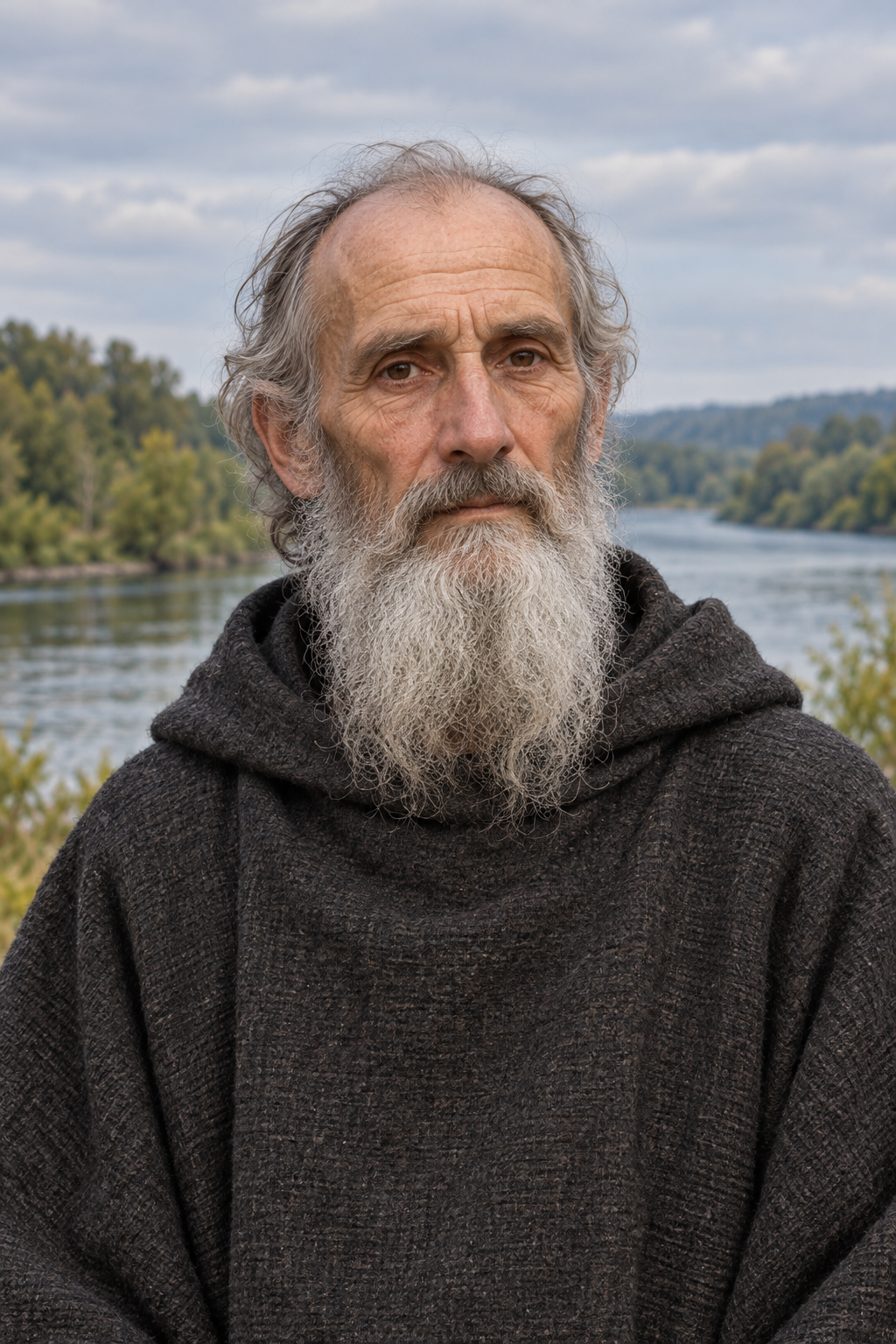
About Fintan of Rheinau
Fintan was born in Leinster around 803 or 804. Vikings carried him to the Orkney Islands, but he escaped and spent time among the Picts before traveling to Rome.
The Life gives his captivity a longer history. It says that he was first seized while trying to ransom his sister and was released after his captors discussed his purpose. Later, enemies arranged another capture, and he was sold repeatedly before being taken overseas. In the Orkneys, the narrative describes him hiding beneath a rock while his captors searched nearby. These episodes survive through his religious biography, whose author presents escape and survival as signs of divine protection.
The Life also preserves a memory of help received after his escape. In Aidan Breen’s account of that text, a bishop who had studied in Ireland and spoke Irish protected Fintan. He then spent two years preparing for religious life before continuing his pilgrimage.
On his return journey he served an Alemannic nobleman and then entered the monastery of Rheinau. He lived there as a recluse from 859 and died at Rheinau on November 15, 878.
His veneration is attested from the eleventh century. The biography preserves phrases in Irish, linking his continental remembrance with the language of his homeland.
Breen describes the Life as the work of a contemporary Irishman who appears to have known Fintan personally. Its Irish sentences recount voices encouraging him during severe hunger. They belong to the biography’s account of his religious experiences, rather than independently verifiable conversations.
The edition’s introduction connects the author with both Pfäfers and Rheinau, rather than securely fixing the place of composition. It also notes that the surviving Life lacks an account of Fintan’s death and may be unfinished or incomplete. The text’s difficulties matter for chronology: its monastic-entry year requires editorial correction, so its numbers cannot all be read literally.
Wondering how to weigh the stories and sources? Learn how to read a saint biography.