Biography
Íñigo of Oña
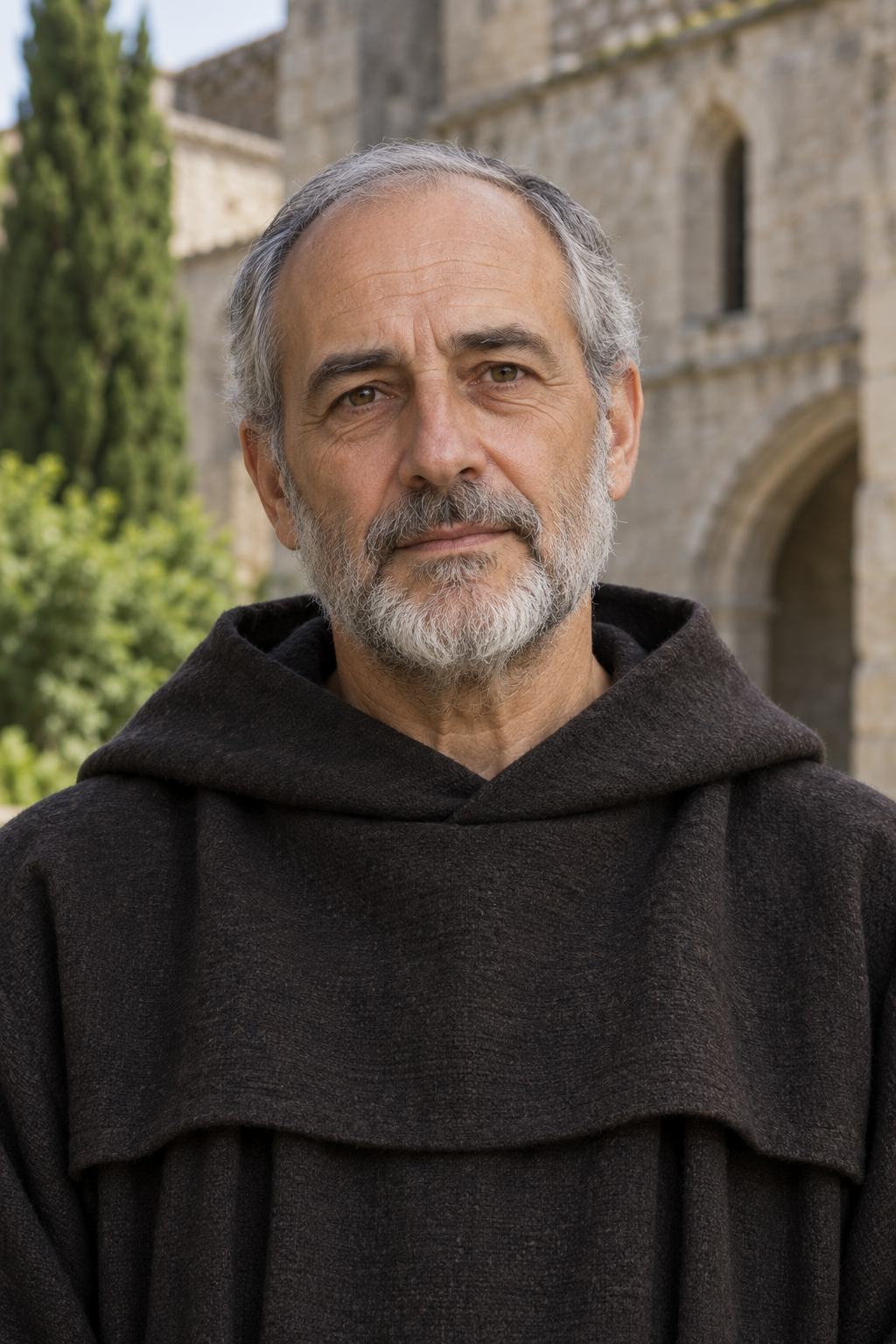
About Íñigo of Oña
Íñigo led the Benedictine monastery of San Salvador at Oña during the eleventh century. He was born in Calatayud. The Archdiocese of Burgos remembers his long abbacy and the churches entrusted to the monastery.
The received account places him first in solitude, then among the monks of San Juan de la Peña. After serving as prior, he is said to have returned to a hermitage in the mountains of Aragón. King Sancho wanted him to lead Oña, but the account describes his reluctance to leave that solitude and the king’s personal visit to persuade him.
A firmer point in the chronology is his appearance as abbot in a donation dated October 21, 1034. The Archdiocese of Granada cites that document when dating his appointment. Its account also preserves the judgment of his disciple Juan de Alcocero, who remembered a gentle character and a measured, paternal way of governing.
Later tradition remembers his peacemaking and attributes rain during drought and food for a crowd to his intercession.
The sources do not agree on his death year. Burgos gives June 1, 1068, and the historian Fidel Fita also uses that date. The Norwegian church biography instead gives 1057. The catalog therefore uses an approximate year while preserving the disagreement.
Recognition after his death also needs care. In his study of the monastery’s papal documents, Fita concluded that authority for canonization probably came from Alexander III in connection with the council at Tours in 1163. That is a historical inference, rather than a securely established exact canonization date.
His remembrance reached beyond the monastery. Francisco Tobajas Gallego’s local historical account describes Calatayud obtaining a relic in 1600 and celebrating its arrival with a procession. He also identifies a 1601 parish-book instruction at Saviñán requiring observance of Íñigo’s feast on June 1. These later records concern the spread of his cult, rather than new evidence about his childhood.
Calatayud continues to honor him as its patron. The municipal festival account describes a June 1 liturgy followed by a procession with his image and relic. Blessed bread is distributed afterward in remembrance of a miracle attributed to the abbot. This local observance keeps his name within the shared religious life of his birthplace.
Wondering how to weigh the stories and sources? Learn how to read a saint biography.