Biography
Maria Troncatti
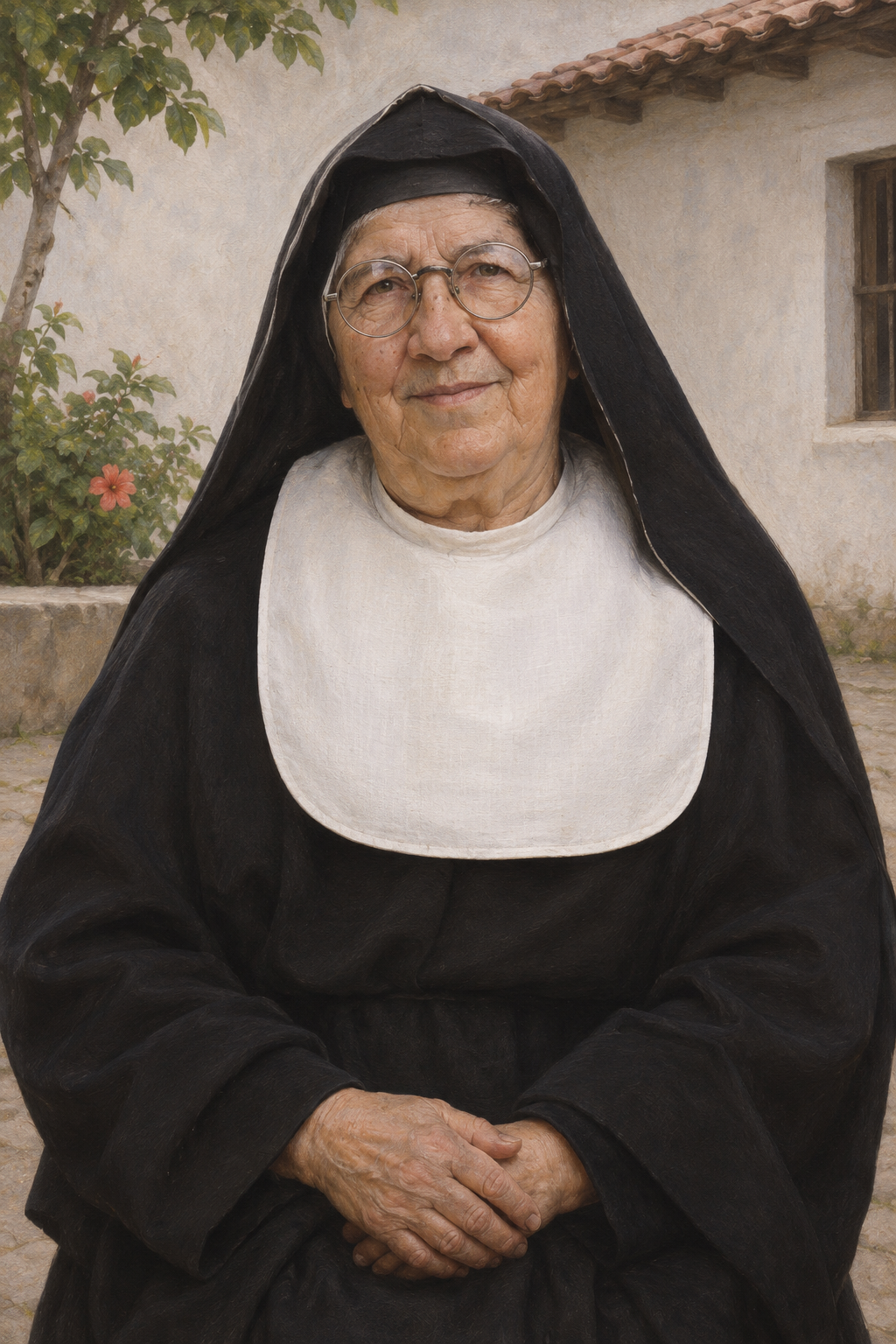
About Maria Troncatti
Maria Troncatti was an Italian Salesian sister who spent most of her adult life nursing and teaching in Ecuador. Born at Corteno Golgi, in the province of Brescia, on February 16, 1883, she grew up in a Catholic household. Her older sister Catterina became a close confidante. Reading the Salesian Bulletin introduced Maria to missionary life while she was still a schoolgirl. She entered the Daughters of Mary Help of Christians at Nizza Monferrato in 1905. She made her religious profession on September 17, 1908, before illnesses interrupted her assignments. During the First World War she trained in nursing and cared for wounded soldiers at Varazze. After the war she also served girls and children displaced by the fighting, at an institution in Genoa. Assignments at Nizza Monferrato followed. In 1922 her superiors appointed her to Ecuador. She was thirty-nine when she left Italy that November, finally beginning the missionary work she had long desired.
Her first Christmas in Ecuador was spent at Guayaquil with a Salesian community. At Chunchi, in the Andes, she worked in a dispensary before proceeding into the Amazonian mission territory. The journey toward Macas involved crossing the mountains and continuing on foot where mounted escorts could go no further. Bishop Domenico Comin and the Salesian Albino Del Curto were among those associated with the expedition. The Salesian Bulletin's account describes mission work carried out through a combination of clinics, schools and journeys to scattered settlements. Footpaths and canoes connected communities otherwise difficult to reach. It also describes the changes Maria witnessed as air links, radio and electricity gradually reduced the region's isolation. Her life there was consequently rooted in repeated visits, lessons and treatment rather than in one dramatic arrival. The same account records her continuing attachment to religious retreats, for which she traveled by the small aircraft serving the region.
In Macas the sisters worked with people who already sustained local education. Yvonne Reungoat's historical account identifies Mercedes Navarrete, an earlier teacher who helped the newcomers as an interpreter and collaborator. The school brought together girls from Shuar families and settler families. Medical work likewise served both communities. At Sucúa, plans for the Pío XII hospital developed from 1947, and the hospital opened in 1954. A maternity pavilion followed in 1961. Training extended beyond immediate treatment: young women learned nursing, hygiene and childcare, alongside other practical subjects. Reungoat also describes Maria's interest in Shuar efforts to organize and protect their rights to land and fair treatment. The growth of these organizations occurred amid tensions with settlers over land and authority. Her work belonged to a broader mission community, including sisters, priests and local collaborators, whose contributions should remain visible alongside her own. Care of the sick and the education of girls were central to that shared undertaking.
The evidence remembered at her beatification gives a closer view of daily nursing. Celia Torres Calle recalled Maria visiting a family during a contagious fever, preparing food and remaining beside the patients. Other witnesses remembered visits to sick people living far from the mission and the provision of medicine, clothing and food. Teresa Shiki Na Ikaimp, herself Shuar, recalled Maria's care for Indigenous children and her concern for their preparation for adult life. Cardinal Angelo Amato's homily also described her collaboration with a physician named Ottolenghi, who had escaped Nazi Europe. Where medical supplies were unavailable, she learned about local plants from Indigenous healers. These recollections present practical knowledge acquired from several settings, including wartime nursing in Italy and later experience in Ecuador. The homily connected this work with her prayer, Eucharistic devotion and Salesian formation. Witnesses remembered both daytime and nighttime attendance on patients, suggesting the demanding rhythm of the care on which the mission relied. Dorinda Calle Palacios remembered finding her in church before dawn, praying the Stations of the Cross. Another account described her reception of a widow with five children, arranging places for both boys and girls in the mission's boarding schools.
In 1969 a fire destroyed the Salesian mission house at Sucúa amid mounting hostility. Maria urged community leaders to reject retaliation. Her concern for peace extended to people on both sides of the conflict.
On August 25, 1969, Maria died in an aircraft accident at Sucúa. She was eighty-six. A formal canonical inquiry later examined Josefa Yolanda Solórzano Pisco’s recovery in Ecuador. In 2002, a serious illness had progressed to coma, and her family brought her home expecting her death. A Salesian priest encouraged prayer for Maria’s intercession. The decree records that the patient regained consciousness on May 10. Medical and theological advisers subsequently examined the case. Benedict XVI recognized the recovery as a miracle in 2012. The decree describes her recovery as rapid and lasting, and records the medical advisers’ favorable assessment in April 2011.
Pope Leo XIV canonized Maria Troncatti in Rome on October 19, 2025. Catholics now honor her as Saint Maria Troncatti.
Wondering how to weigh the stories and sources? Learn how to read a saint biography.