Biography
Mercedes de Jesús Molina
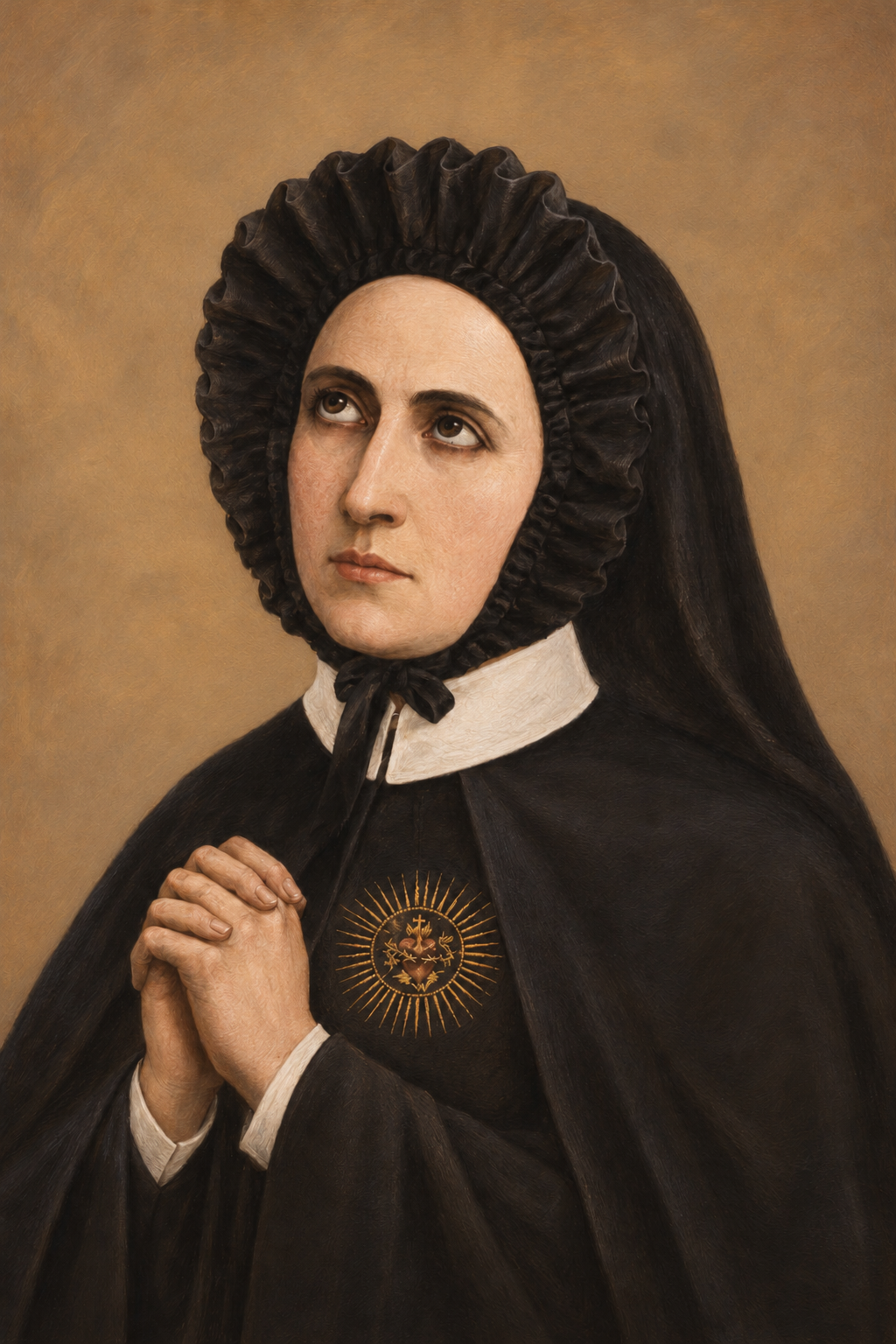
About Mercedes de Jesús Molina
Mercedes de Jesús Molina began life in a prosperous household and eventually made the care and education of vulnerable girls her work. She was born in 1828 at El Guayabo, an estate in Baba, in the region now known as Los Ríos, Ecuador. Her parents, Miguel Molina and Rosa Ayala, belonged to a family engaged in agricultural production and trade. Her father died when she was a small child. Her mother arranged education at home, in a society offering girls few opportunities for formal schooling. After her mother's death in 1843, Mercedes lived in Guayaquil with relatives and then with her sister María. A fall from a horse interrupted the social life expected of a young woman in her position. Later accounts connect that period of recovery with a deeper commitment to prayer. She eventually abandoned plans for marriage. Among her religious companions in Guayaquil were Narcisa de Jesús Martillo Morán and Jesús Caballero.
In 1867 Mercedes committed herself to work among orphaned and abandoned girls in Guayaquil. The congregation's history describes her as an educator, caregiver and nurse in a home whose resources were precarious. Teaching children to read, write and undertake practical work accompanied the search for their daily food. She disposed of property and accepted very modest living arrangements herself. In 1870 she left for the Amazonian mission at Gualaquiza with Mercedes Cepeda and Teodora Rivera, two young women associated with the orphanage. They joined the work of the Jesuit Domingo García among the Shuar. The journey crossed difficult mountain country and took more than a month. At the mission, Mercedes combined catechesis with nursing. During a smallpox epidemic she cared for sick Shuar people and helped organize a rudimentary place of treatment. The congregation also places the first drafting of plans for a future religious institute in this demanding period of missionary work. Her first companions in Riobamba included Ángela de Jesús, Virginia de la Cruz and Mercedes del Espíritu Santo. After another sister assumed leadership, Mercedes continued forming novices and doing the community's practical work.
Her stay at Gualaquiza lasted only about ten months. She next worked in Cuenca, devoting herself to children in an orphanage. An invitation from Bishop José Ignacio Ordóñez then brought her to Riobamba. On April 14, 1873, with the bishop's approval, she established a religious community under the patronage of Mariana de Jesús Paredes. Its purpose brought together the reception and education of poor and orphaned girls and assistance to women seeking a different life after exploitation. Mercedes publicly renewed her religious vows in the new community. Governing it proved difficult, including in financial matters. After relinquishing leadership, she continued in less prominent responsibilities: helping form novices, caring for orphans, tending the garden and serving at the door. The papal letter recording her beatification remembers these duties as the work of her last years. Its account places continued practical service alongside her desire for a more contemplative life.
Mercedes died at the institute in Riobamba on June 12, 1883. The first effort to investigate her life for beatification began only a few years later, but the process was interrupted for a long period. It resumed in the twentieth century. The Church formally recognized her heroic virtues in 1981 and approved a healing attributed to her intercession in 1984. Those judgments belonged to the canonical examination that preceded her beatification. The resumed inquiry led to the formal introduction of her cause in 1946. The lengthy interval between her death and recognition reflects the interrupted process described by the Dicastery. The formal introduction of the cause was signed on February 8.
The community became known as the Marianitas, after its patron Mariana de Jesús. Its educational and charitable work continued after its founder's death. The distinction between the two women matters: Mercedes founded the nineteenth-century congregation, while Mariana was the earlier Ecuadorian woman whose example and name she adopted.
John Paul II beatified Mercedes in Guayaquil on February 1, 1985. In his homily he traced the connection between her prayer and the different places where she served: Guayaquil, Gualaquiza, Cuenca and Riobamba. He presented the orphanage teacher, missionary and founder as different expressions of one religious commitment. Her decision to take the name de Jesús expressed her consecration to Christ. The pope also connected her example with education, the dignity of women, respect for Indigenous people and the fair use of material resources. These were applications he offered to the Church and public life in Ecuador, rather than additional episodes in Mercedes's biography. His account placed particular emphasis on the relationship between contemplating the suffering Christ and assisting people living in poverty or abandonment. Catholics honor her as Blessed Mercedes de Jesús Molina, remembering a founder whose work developed through years of direct care before taking the form of a lasting religious community.
Wondering how to weigh the stories and sources? Learn how to read a saint biography.