Saint profile
Vincent Strambi
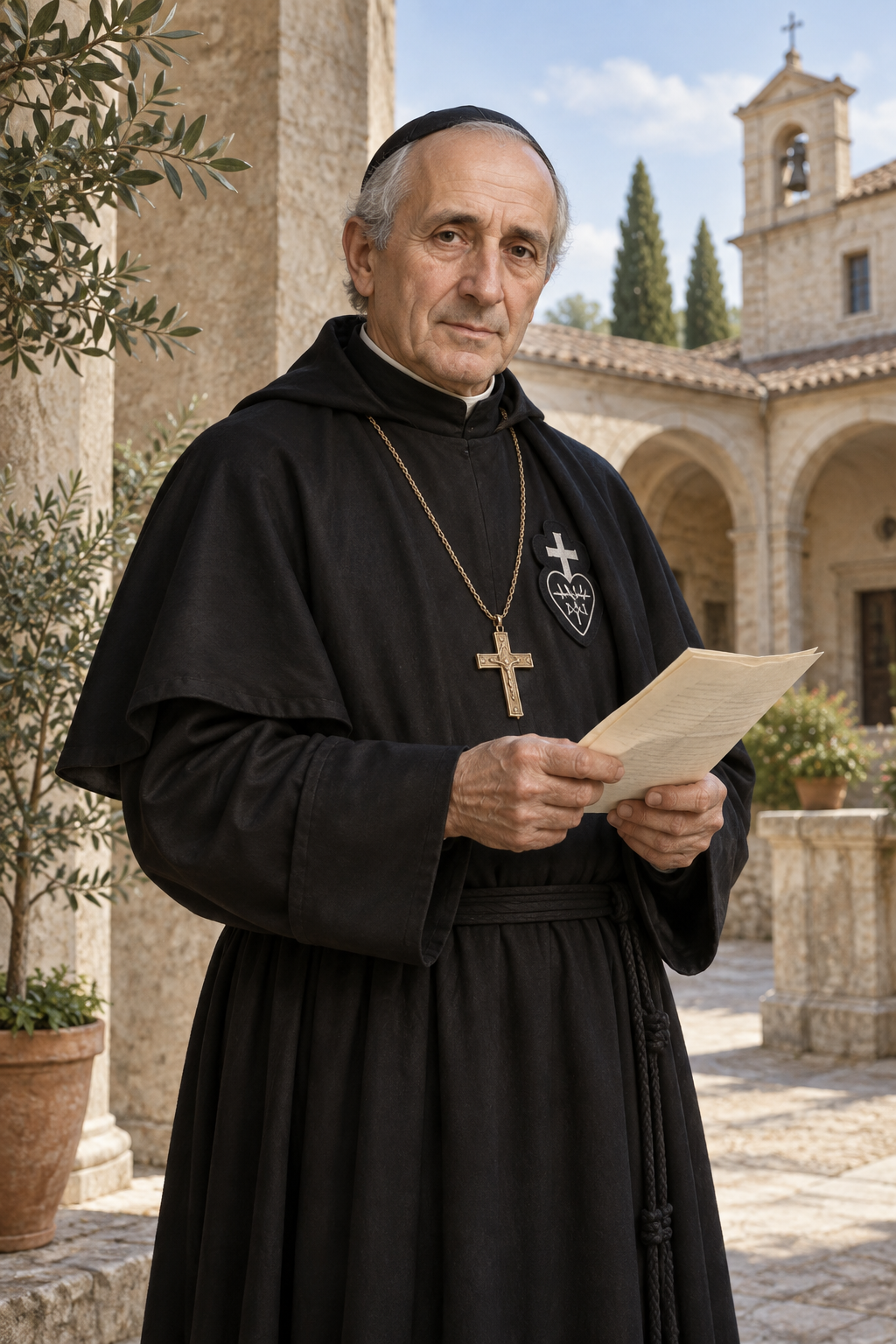
About Vincent Strambi
Vincent Strambi was born in Civitavecchia on 1 January 1745. The Passionists remember his choice to enter the congregation after coming to know its founder, Paul of the Cross. The congregation’s devotion to the Passion of Christ became a lasting framework for his preaching and spiritual direction.
Ordained in 1767, he professed as a Passionist in 1769. Treccani follows his journeys as a preacher through communities in central Italy, including Todi and Amelia. In Rome he helped form preachers and became known for sermons in both major churches and poorer districts. He led within the congregation and wrote a life of Paul of the Cross.
Strambi’s writing was substantial. Treccani lists devotional, moral, and theological books, alongside texts preserved in manuscript or printed after his death. A work on the Passion and a collection of religious instructions were among his publications. Later editions must not be mistaken for lifetime activity.
He became bishop of Macerata and Tolentino in 1801. The Passionist account highlights simple living and attention to people in need. The Dicastery’s biography describes practical initiatives, including a seminary, catechetical teaching, and provision for poor and elderly residents. Those actions give specific content to the broad memory of his care for the diocese.
The Marche came under Napoleonic rule in 1808, bringing new restrictions on church life. Following the position of Pius VII, Strambi refused the required oath of allegiance. His income and property were seized, and he was sent first to Novara and later to Milan. From exile he continued to send letters and modest help to his diocese through a vicar.
Late in life Strambi left the episcopal see and advised Pope Leo XII. He died in Rome on 1 January 1824. Pius XII canonized him on 11 June 1950. The Holy See’s cause page gives January 1 as a liturgical commemoration, whereas the Passionist province lists September 24. A future feast entry should identify its particular calendar instead of blending the two observances.
The Passionist account remembers Strambi as a priest whose preaching led eventually to episcopal leadership. His life also reveals a tension between spiritual counsel and the daily administration of a diocese. The documented exile did not erase that pastoral role. He remained tied to his people while political authority kept him away, and then served the pope in later life.
Wondering how to weigh the stories and sources? Learn how to read a saint biography.