Biography
Walaric of Leuconay
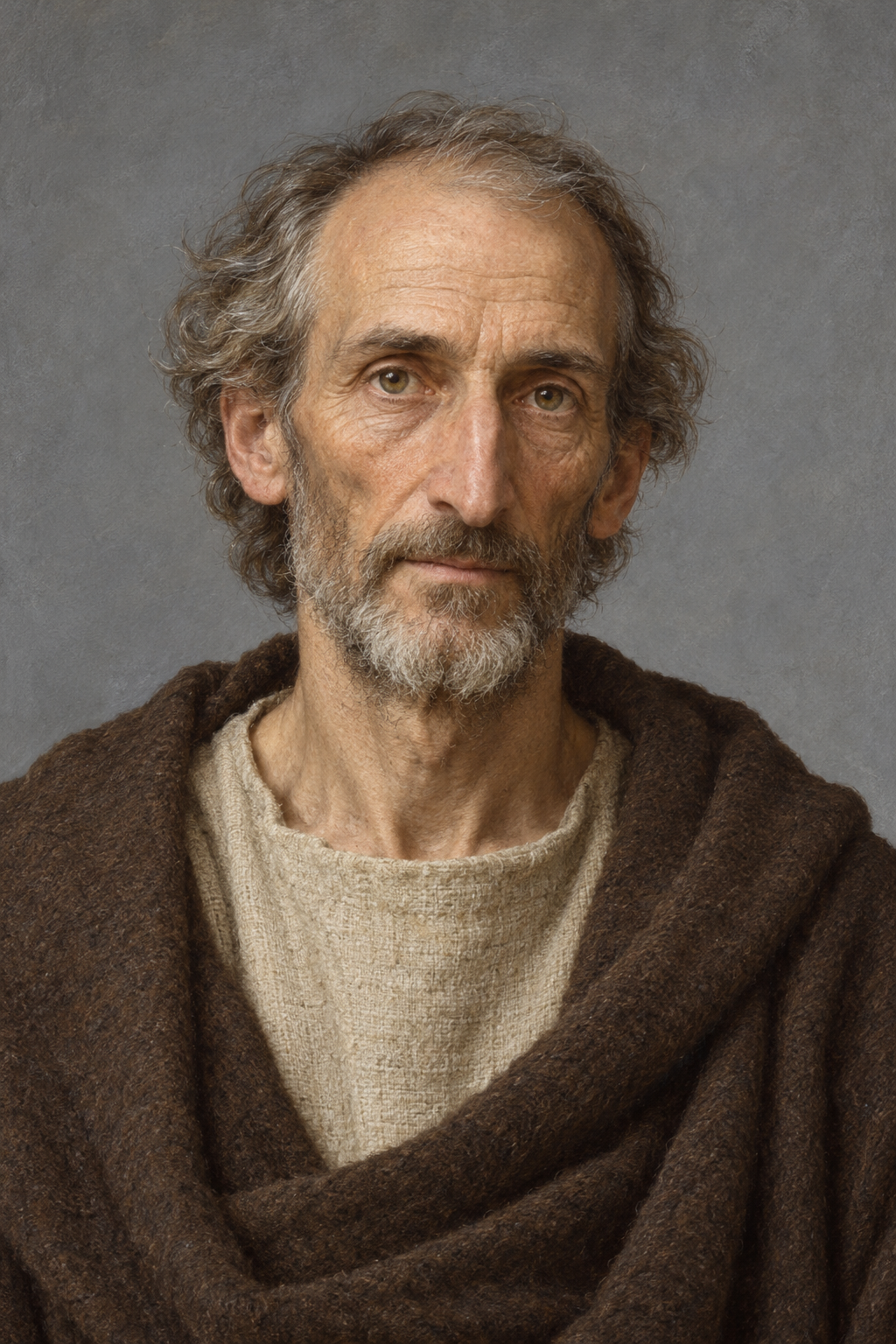
About Walaric of Leuconay
Walaric, remembered in France as Valery, was a monk associated with the beginnings of the community at Leuconay, near the mouth of the Somme. Tradition places his childhood in a poor shepherding family in Auvergne and connects his formation with Columbanus at Luxeuil. It describes him preaching and gathering disciples on the coast during the early seventh century.
The details require caution. David Carpenter’s study of the abbey’s charters describes its early history as obscured by forged documents and a much later account of Walaric’s life. The familiar narrative therefore cannot be treated as a contemporary record of his childhood, journeys or miracles.
The devotional tradition also contains conflict. In one episode, Walaric orders his companion to overturn a carved wooden object that local people venerate. Their anger follows the destruction. This story belongs to the later account of conversion and should not be presented as an independently verified event.
His cult was well established by the Norman expedition of 1066. William of Poitiers recounts that Duke William had Walaric’s remains brought from the church while seeking favorable winds for the crossing to England. The account describes an appeal for heavenly aid; it does not establish supernatural control of the weather.
The monastery subsequently held property in England, documented in Domesday Book. Carpenter distinguishes those possessions from uncertain stories about the exact promises made before the invasion. At Saint-Valery-sur-Somme, a chapel bearing his name preserves another part of his memory. The building was reconstructed in the nineteenth century, with work completed in 1880. Model boats left as offerings express sailors’ gratitude for surviving danger at sea; they belong to the later history of devotion, rather than to Walaric’s lifetime.
His local feast is April 1.
Wondering how to weigh the stories and sources? Learn how to read a saint biography.