Biography
Wulphy of Rue
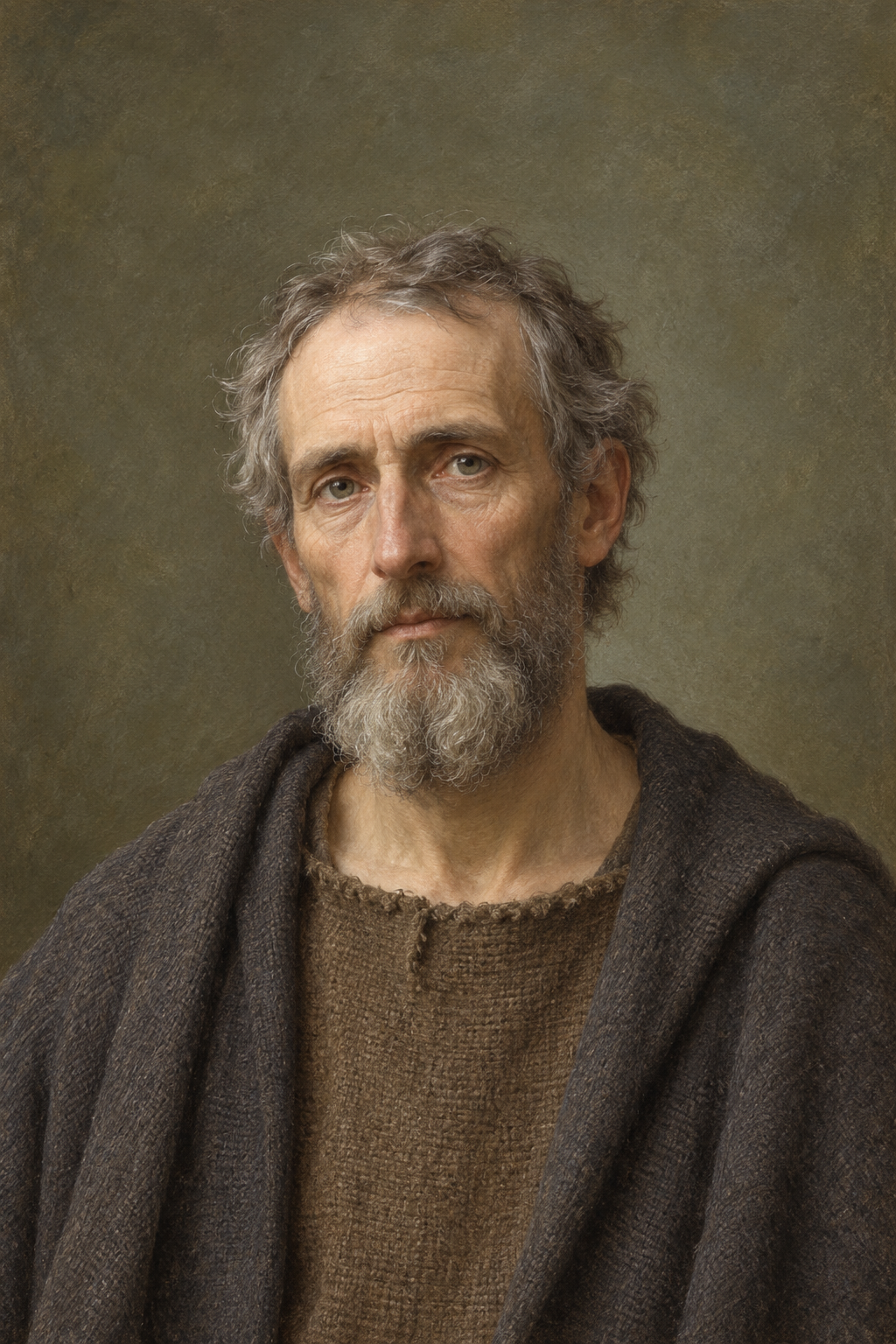
About Wulphy of Rue
Wulphy is remembered as a priest of Rue in Ponthieu who later became a hermit. The account assembled by the Bollandists describes him as a married cleric with three daughters. On accepting priesthood, he undertook continence, but subsequently resumed marital relations. The narrative treats this as a breach of his commitment and describes a penitential journey to Jerusalem.
According to that account, he returned to solitude rather than parish leadership. It depicts a demanding life of prayer, fasting and fetching water from a distant spring. His daughters are said to have adopted religious lives themselves. These details reach us through later religious writing, whose purpose was to present an example of repentance.
His relics also became the subject of conflict. Proceedings reproduced by the Bollandists report that townspeople at Montreuil assaulted the bishop of Amiens in 1634 when he sought portions for Rue. An ecclesiastical settlement followed in 1635. This episode concerns the later custody of his relics, not Wulphy’s own conduct.
Rue’s church still bears Wulphy’s name. The municipal heritage service describes an earlier Romanesque building damaged by a storm in 1798 and its replacement, built between 1828 and 1833. The present church therefore belongs to a much later period than the priest it commemorates.
The French bishops’ Nominis calendar records a local feast on June 7. Its alternative death dates show why a precise year should not be treated as settled.
Wondering how to weigh the stories and sources? Learn how to read a saint biography.